
Miso Paste Production by Country
Introduction
Miso paste, a traditional Japanese seasoning, has gained global recognition for its umami-rich flavor and versatility in various culinary applications. As a fermented product made primarily from soybeans, salt, and koji (a mold used in fermentation), miso paste varies significantly in taste, color, and texture depending on its region of production. This article delves into the production of miso paste across different countries, examining the nuances that contribute to its unique characteristics.
What Is Regions?
The term “regions” refers to the geographical areas where specific varieties of miso are produced. Each region has its own climatic conditions, local ingredients, and traditional practices that influence the flavor profile and quality of the miso. In Japan alone, there are several distinct regions that produce miso, each with unique characteristics, such as the famous red miso from Nagoya or the lighter, sweeter white miso from Kyoto. Beyond Japan, countries like Korea and China also have their own variations of miso, offering a broader understanding of this fermented staple.
History and Origins
Miso’s history dates back over a thousand years in East Asia, with its origins believed to trace back to ancient China. Initially, it was a luxury item consumed by the elite. The technique of fermenting soybeans and grains spread to Japan in the 7th century, where it was embraced and adapted into Japanese cuisine. Over the centuries, different regions in Japan developed their own styles of miso, influenced by local agricultural practices and climate.
In Japan, miso played a significant role in the diet of the samurai class and became a staple in the diets of all social classes by the Edo period (1603-1868). As Japanese immigrants traveled abroad, they brought miso paste with them, leading to adaptations and local variations in countries like Korea, where it is known as “doenjang,” and China, where it is referred to as “doujiang.”
Production and Processing
The production of miso paste involves several key steps, which can vary slightly by country and region:
Ingredients
The primary ingredients for miso production include:
- Soybeans: The main ingredient, providing protein and flavor.
- Koji: A fermentation starter made from steamed rice, barley, or soybeans inoculated with Aspergillus oryzae.
- Salt: Essential for the fermentation process and preservation.
- Japan: Different regions have their own traditional methods, such as the use of specific types of koji or unique aging vessels. For instance, in the Nagoya region, dark red miso is prevalent, made with a higher ratio of soybeans and longer fermentation times.
- Korea: Korean doenjang is made similarly but often incorporates additional ingredients like sesame or even chili, providing a distinct flavor profile.
- China: Chinese doujiang can vary widely, with some regions producing a sweeter version and others a more pungent variety.
- Shiro Miso (White Miso): Lightly fermented, sweet, and creamy.
- Aka Miso (Red Miso): Darker and more robust, with a saltier profile.
- Awase Miso (Mixed Miso): A blend of white and red miso, balancing flavors.
- Type: Choose based on your culinary needs—white for dressings and soups, red for marinades and stews.
- Origin: Regional miso can offer unique flavors; consider trying varieties from different countries.
- Ingredients: Look for natural ingredients without preservatives and artificial flavors.
- Packaging: Miso should be stored in airtight containers to maintain freshness.
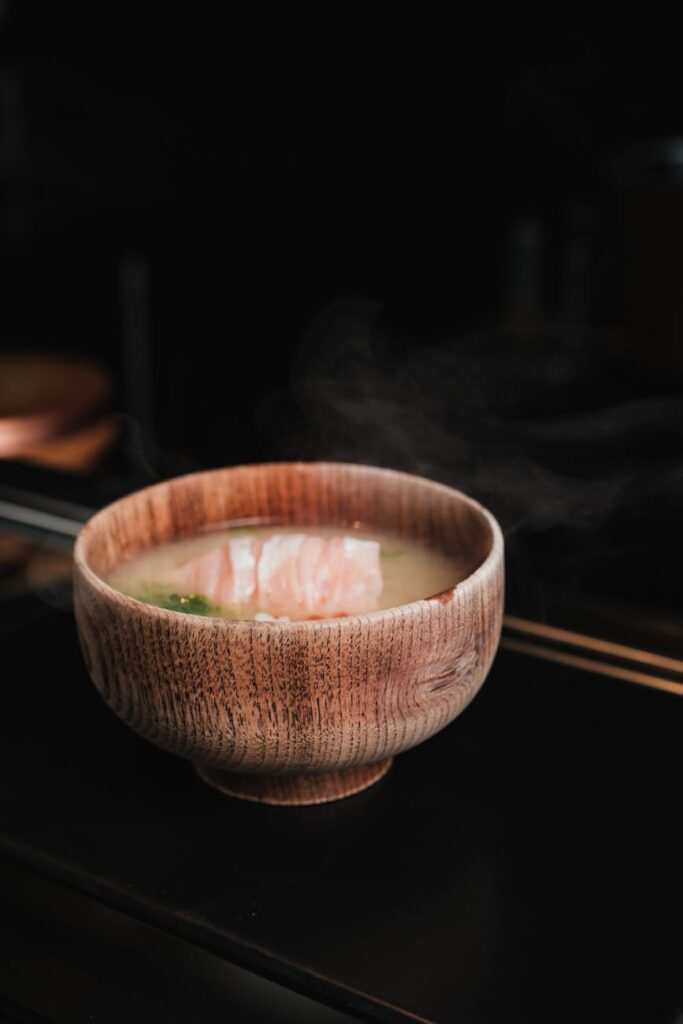
- Soups: Miso soup is a classic dish in Japanese cuisine, often served as an appetizer.
- Dressings and Sauces: Miso adds depth to salad dressings and marinades for meats and vegetables.
- Condiments: Used as a spread or dip, miso can enhance the flavor of simple dishes.
- Fermented Products: Used as a flavoring agent in fermented foods, contributing to the health benefits associated with fermentation.
- Refrigerate After Opening: Once opened, miso should be refrigerated to slow down fermentation.
- Use Clean Utensils: Always use clean utensils to avoid contamination.
- Check for Changes: While miso can develop a layer of mold or change color, these changes can often be scraped away if the paste smells and tastes fine.
Fermentation Process
1. Preparation of Soybeans: Soybeans are soaked in water and then boiled until soft. The cooking process can vary, with some producers opting for a longer cooking time for a creamier texture.
2. Koji Cultivation: The cooked soybeans are cooled and mixed with koji spores. This mixture is allowed to ferment for a few days until the koji has grown and the mixture becomes slightly sweet.
3. Miso Paste Formation: The koji-infused soybeans are then blended with salt and sometimes additional ingredients, like rice or barley. This mixture is packed into fermentation vessels, where it undergoes fermentation for several months to several years, depending on the desired flavor profile.
4. Aging: The length of aging plays a crucial role in the final product. Shorter aging periods result in sweeter, milder miso, while longer aging yields stronger, saltier flavors.
Regional Variations
Quality and Grading
Quality miso is typically judged based on its flavor, aroma, texture, and color. In Japan, there are formal grading systems in place, with miso classified into categories such as:
In other countries, quality assessments may not be as formalized but still rely heavily on taste tests and ingredient sourcing.
Buying Considerations
When purchasing miso paste, several factors should be taken into account:
Uses and Applications
Miso paste is a versatile ingredient widely used in various cuisines. Its applications include:
Storage and Shelf Life
Miso paste has a relatively long shelf life, often lasting for several months to years when stored properly. To ensure longevity:
Common Misconceptions
1. Miso Is Always Salty: While many misos have a salty profile, others, especially white miso, can be quite sweet.
2. All Miso Is the Same: There is a wide variety of miso, each with unique flavors and uses depending on its regional production.
3. Miso Is Only for Japanese Cuisine: Miso has been embraced globally, with unique adaptations found in Korean, Chinese, and even Western cuisines.
Frequently Asked Questions
1. What is the difference between white and red miso?
White miso is milder and sweeter, while red miso is stronger and saltier due to longer fermentation.
2. Can I use miso paste in vegan dishes?
Yes, miso paste is plant-based and can enhance the flavor of many vegan dishes.
3. How should I store miso paste?
Miso should be stored in an airtight container in the refrigerator to maintain its freshness.
4. Is miso paste gluten-free?
Not all miso is gluten-free; some varieties use barley koji. Always check the label for gluten-free certification.
5. Can I make miso at home?
Yes, making miso at home is possible, but it requires specific ingredients and a good understanding of the fermentation process.
6. How long does miso last?
Unopened miso can last for years, while opened miso should be used within several months to a year, depending on storage conditions.
Conclusion
Miso paste is not only a cornerstone of Japanese cuisine but also a global ingredient with a rich history and diverse applications. By understanding the production methods, regional variations, and quality considerations, consumers can appreciate the depth and complexity that miso brings to the culinary table. Whether used in traditional dishes or innovative recipes, miso continues to be a beloved ingredient that bridges cultures and flavors.