
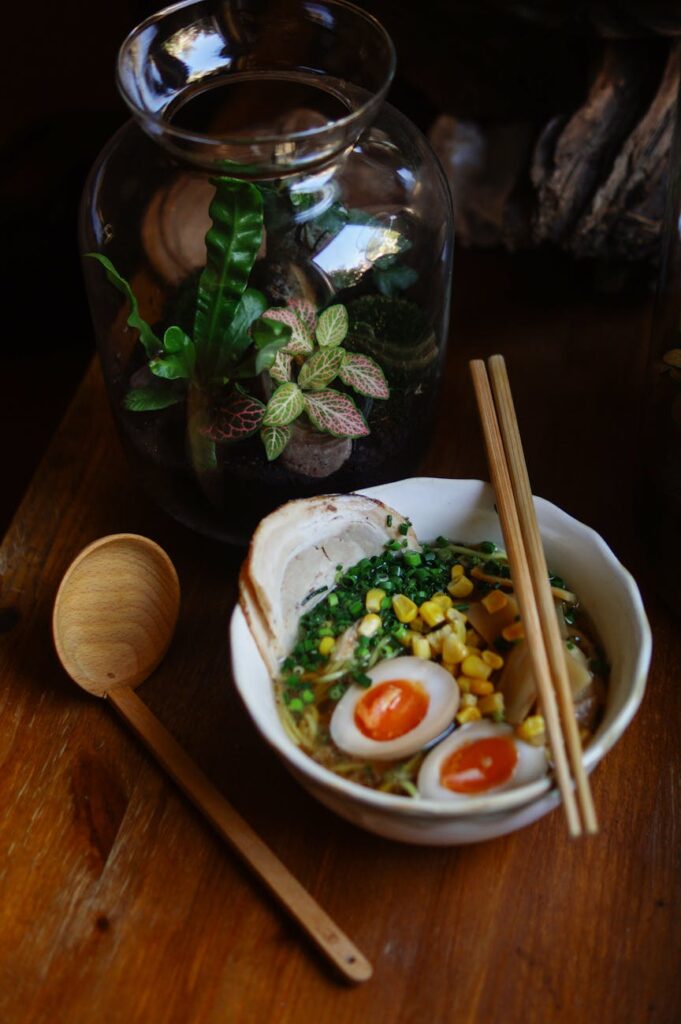
Miso Ramen About Guide Part 7
Introduction
Miso ramen is a beloved dish that has transcended borders, captivating the palates of food enthusiasts around the globe. This savory noodle soup originates from Japan, where it has become a staple in both homes and restaurants. The unique combination of rich miso paste, flavorful broth, and a variety of toppings creates a dish that is not only delicious but also deeply rooted in cultural significance. This guide delves into the intricate details surrounding miso ramen, exploring its history, production, quality considerations, and much more.
What Is About?
At its core, miso ramen is a Japanese noodle soup characterized by its rich, savory broth, which is primarily flavored with miso—a fermented soybean paste. The dish typically features wheat noodles, a variety of toppings such as sliced pork (chashu), green onions, seaweed, and soft-boiled eggs, all served in a steaming bowl of umami-rich broth. The flavor profile of miso ramen varies depending on the type of miso used, which can range from white (shiro) to red (aka) or mixed (awase), each imparting distinct flavors and aromas.
History and Origins
The origins of miso ramen can be traced back to the early 20th century in Hokkaido, Japan, where the dish first gained popularity. Miso itself has a much older history, dating back over a thousand years in Japan, where it has been used as a condiment and flavoring agent. The adaptation of miso into ramen represents a fusion of culinary traditions, combining the noodle soup culture that flourished in Japan with the complex flavors of fermented soy products.
Hokkaido’s harsh winters made miso ramen an ideal dish, providing warming nourishment during cold months. The first known miso ramen shop, referred to as “Aji no Sanpei,” opened in Sapporo in 1955, marking a significant milestone in the evolution of this dish. Since then, miso ramen has proliferated throughout Japan and beyond, evolving into various regional styles and interpretations.
Production and Processing
The production of miso ramen involves several key components: the miso paste, the ramen noodles, and the broth.
Miso Paste
Miso is made by fermenting soybeans with salt and a type of mold known as koji. The fermentation process can take anywhere from a few months to several years, depending on the desired flavor profile. Different types of miso are produced based on the ingredients and fermentation time. For example, white miso is made with a higher proportion of rice and ferments for a shorter period, resulting in a sweeter taste, while red miso is fermented longer, yielding a saltier and more robust flavor.
Ramen Noodles
Ramen noodles are typically made from wheat flour, water, salt, and a special alkaline mineral water known as kansui. This ingredient gives the noodles their characteristic chewiness and yellow hue. The dough is kneaded, rolled, and cut into strands before being boiled. The quality of the noodles significantly impacts the overall texture and mouthfeel of the ramen.
Broth
The broth for miso ramen can be made from a variety of bases, including chicken, pork, or vegetable stock. The stock is simmered with aromatic ingredients such as garlic, ginger, and scallions, and then combined with the miso paste to create a soup that is rich in umami. The balance between the broth, miso, and toppings is crucial for achieving the signature flavor of miso ramen.
Quality and Grading
When it comes to miso ramen, the quality of each component is paramount.
Miso Quality
High-quality miso should have a well-balanced flavor, with a pleasant aroma and a smooth texture. It is often preferable to choose artisanal miso, which is produced using traditional fermentation methods, as these tend to have deeper flavors compared to mass-produced varieties.
Ramen Noodle Quality
Fresh ramen noodles are typically superior in quality to dried options. Look for noodles that are made with high-quality wheat flour and have a firm, elastic texture. The best noodles should maintain their chewiness even after being cooked in the broth.
Broth Quality
The broth is the heart of miso ramen. A well-crafted broth should exhibit a complex flavor profile, with layers of umami that come from the combination of stock and miso. Using high-quality ingredients and a long simmering time can elevate the broth from ordinary to exceptional.
Buying Considerations
When purchasing miso ramen ingredients, consider the following factors:
1. Miso Type: Choose the type of miso based on your flavor preference. White miso is milder and sweeter, while red miso is more intense and salty.
2. Noodle Freshness: Opt for fresh noodles whenever possible. Check for a firm texture and a yellow hue, which indicates the presence of kansui.
3. Broth Ingredients: If making broth from scratch, select high-quality meats or vegetables for flavor. Pre-packaged broths are convenient but may lack the depth of homemade versions.
4. Toppings: Quality toppings can enhance the dish significantly. Fresh vegetables, high-quality meats, and homemade marinades should be prioritized.
5. Sustainability: Consider sourcing ingredients that are sustainably produced. This includes organic miso and ethically raised meats.
Uses and Applications
Miso ramen serves as a versatile dish, adaptable to various culinary contexts.
Main Dish
Typically enjoyed as a main course, miso ramen can be a satisfying meal on its own, especially during colder months.
Variations
The dish lends itself to numerous variations, allowing chefs to experiment with different types of miso, broth bases, and toppings. For instance, vegetarian or vegan versions can be created using vegetable broth and tofu