
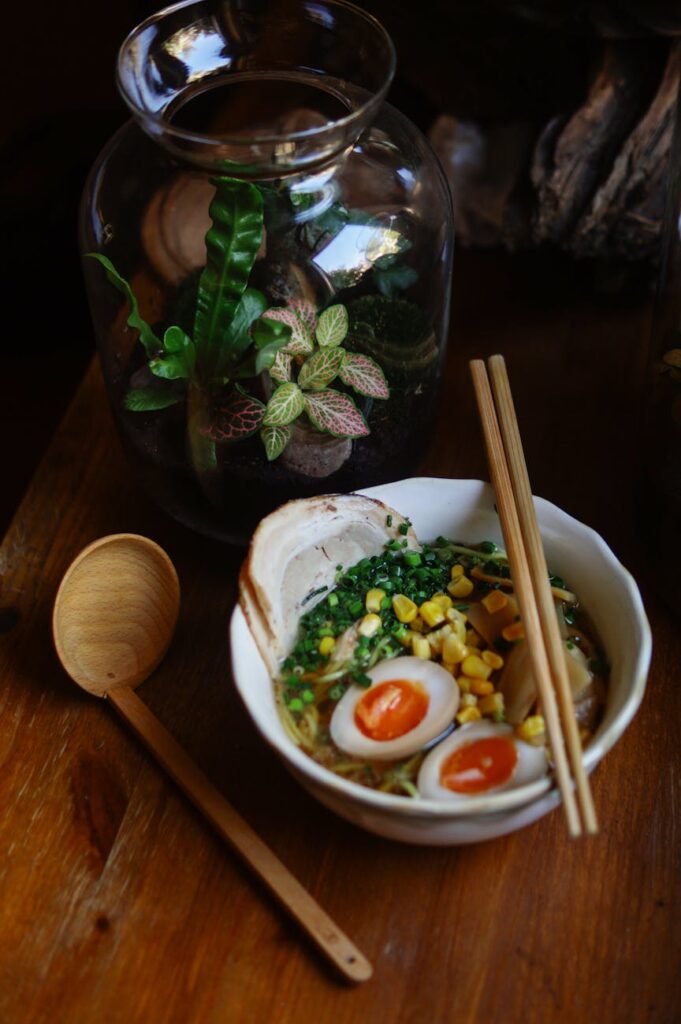
Miso Ramen Broth: About Guide Part 6
Introduction
Miso ramen broth is a celebrated component of Japanese cuisine, particularly within the realm of ramen. Known for its rich umami flavor, this broth serves as a foundation for countless variations of ramen dishes. The melding of miso, a fermented soybean paste, with other ingredients creates a complex and satisfying base that elevates this beloved noodle dish. This article delves into the essence of miso ramen broth, exploring its history, production, quality, and much more.
What Is About?
When we speak about “miso ramen broth,” we refer to a specific type of ramen broth that prominently features miso as a key flavoring agent. Miso is a staple in Japanese cooking, made from fermented soybeans, rice, or barley. In the context of ramen, miso adds depth and complexity, making it a favored choice among ramen enthusiasts. This broth can vary in flavor, color, and texture depending on the type of miso used and the accompanying ingredients, which may include dashi, vegetables, and seasonings.
History and Origins
The origins of miso ramen broth trace back to Hokkaido, Japan, where the dish was first popularized in the post-World War II era. As the nation rebuilt, new culinary innovations emerged, and miso ramen became a staple due to its affordability and rich flavor. The Sapporo region, known for its cold climate, embraced miso ramen for its warming qualities, creating a dish that not only satisfied hunger but also provided comfort.
Over the decades, miso ramen has evolved, leading to regional variations and creative interpretations. Today, it stands as a symbol of Japanese culinary culture, with ramen shops across the globe serving their unique takes on this classic dish.
Production and Processing
The production of miso ramen broth begins with the preparation of the base ingredients. High-quality miso is essential, with the primary types being white (shiro), red (aka), and mixed (awase) miso. Each type has distinct flavor profiles; white miso is milder and sweeter, while red miso is robust and salty.
Typically, the broth is prepared by dissolving miso paste into a stock made from dashi, a Japanese broth made from kombu (kelp) and bonito flakes (dried, fermented fish). The combination of these ingredients creates a harmonious balance of flavors. Other components, such as vegetables (onions, garlic, and ginger), may be sautéed to enhance the broth’s depth.
The simmering process allows the flavors to meld, and additional seasonings such as soy sauce, sake, or mirin can be added to refine the taste. The final product is a rich, flavorful broth that can be paired with various toppings and noodles.
Quality and Grading
Quality miso ramen broth is characterized by its depth of flavor, aroma, and texture. The grading of miso varies based on factors like fermentation time, ingredients, and production methods. High-quality miso is often crafted through traditional methods, utilizing natural ingredients without artificial additives.
When evaluating miso ramen broth, consider the following aspects:
- Aroma: A well-crafted broth should have a fragrant, inviting aroma that hints at its umami richness.
- Flavor Profile: The balance between saltiness, sweetness, and umami should be harmonious, with no single element overpowering the others.
- Color and Clarity: The broth should have a rich color reflective of the type of miso used, with clarity indicating proper filtration and preparation.
- Texture: A velvety mouthfeel is desirable, indicating a well-emulsified broth.
- Ramen Dishes: Naturally, the primary application is in ramen, where it pairs with noodles and various toppings like chashu (braised pork), green onions, and nori (seaweed).
- Soups: It can be used as a base for other soups, adding depth and flavor.
- Stews: Miso ramen broth can be incorporated into stews, enriching the overall taste profile.
- Marinades: The broth can serve as a flavorful marinade for meats and vegetables, imparting umami richness.
- Sauces: Reduced miso broth can be transformed into a sauce for drizzling over dishes, enhancing flavor.
- Homemade Broth: When stored properly in an airtight container in the refrigerator, homemade miso ramen broth typically lasts for about 3-5 days. For longer storage, consider freezing the broth in portions, where it can last for several months.
- Commercial Products: Pre-packaged miso ramen broth usually comes with a shelf life indicated on the packaging. Unopened containers can last months, while opened broth should be refrigerated and consumed within a week to ensure optimal flavor and safety.
Buying Considerations
When purchasing miso ramen broth, whether as a ready-made product or as individual components, several considerations come into play:
1. Type of Miso: Determine the flavor profile you prefer. White miso offers sweetness, while red miso provides a more pronounced saltiness.
2. Ingredients: Look for high-quality, natural ingredients. Avoid products with artificial flavors or preservatives.
3. Packaging: If buying pre-made broth, check for vacuum-sealed or refrigerated options for freshness.
4. Brand Reputation: Consider brands known for their authenticity and quality. Specialty Asian markets often carry superior products.
5. Sodium Content: Be mindful of sodium levels, especially if you’re watching your salt intake.
Uses and Applications
Miso ramen broth serves as a versatile base in various culinary applications beyond traditional ramen. Here are some common uses:
Storage and Shelf Life
The storage and shelf life of miso ramen broth depend on its form—whether homemade or commercially prepared.
Common Misconceptions
Several misconceptions surround miso ramen