
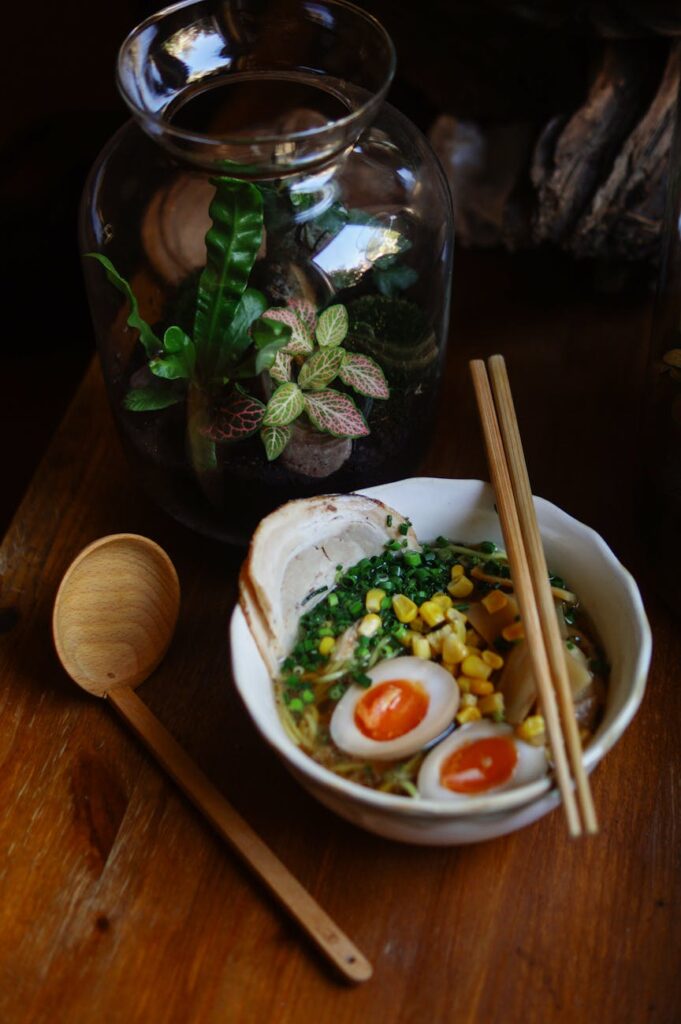
Miso Ramen Broth: Around the World
Introduction
Miso ramen broth is a beloved staple in Japanese cuisine, renowned for its rich, savory flavor profile and versatility. This umami-packed broth serves as the foundation for one of Japan’s most iconic dishes, ramen, and has garnered a global following. As culinary enthusiasts and chefs explore the depths of this ingredient, understanding its regional variants, production methods, and cultural significance becomes essential. This article delves into the world of miso ramen broth, examining its history, production, and applications, while highlighting regional distinctions and the ingredients that contribute to its unique character.
What Is Regions?
In the culinary world, “regions” refer to the geographical and cultural contexts in which food ingredients are produced and consumed. Each region may have distinct practices, ingredients, and interpretations that influence the final product. Miso ramen broth, while predominantly associated with Japan, exhibits variations influenced by local tastes, available ingredients, and historical traditions. Understanding these regional nuances provides insight into the broader context of this beloved broth and its global adaptations.
History and Origins
Miso, the primary ingredient in miso ramen broth, has a storied history that dates back over 1,300 years to ancient China, where it was initially known as “jiang.” The concept of fermenting soybeans to create a flavor-enhancing paste eventually made its way to Japan, where it evolved into the varieties we recognize today.
The development of ramen as a dish is relatively recent, with its origins traced back to the late 19th century. Initially influenced by Chinese noodle dishes, ramen underwent significant evolution in Japan, culminating in the creation of miso ramen during the post-World War II era. The city of Sapporo in Hokkaido is often credited with popularizing miso ramen, as local chefs began experimenting with miso-based broths to create a hearty, warming dish suitable for the cold climate.
The integration of miso into ramen broth not only enhanced its flavor but also reflected regional eating habits and preferences. Over the years, as ramen gained international popularity, various adaptations emerged, showcasing the local ingredients and culinary traditions of different regions.
Production and Processing
The production of miso ramen broth begins with the fermentation of soybeans, which are cooked and mashed before being mixed with salt and koji (a mold culture). This mixture is then allowed to ferment for a specific period, resulting in the creation of miso paste. The fermentation process can vary in duration and conditions, influencing the flavor, texture, and color of the miso.
Miso ramen broth can be produced in several forms: white miso (shiro miso), red miso (aka miso), and mixed miso (awase miso), each offering distinct flavor profiles. White miso is typically sweeter and milder, while red miso provides a more robust and salty flavor. The choice of miso significantly impacts the depth and character of the broth.
In addition to miso, other components such as dashi (a Japanese stock made from kombu seaweed and bonito flakes) are often incorporated into the broth, enhancing its umami qualities. Aromatics like garlic, ginger, and scallions may also be added to create a more complex flavor profile.
Quality and Grading
The quality of miso ramen broth is determined by several factors, including the quality of the miso paste used, the balance of flavors, and the overall depth of the broth. High-quality miso is typically made from organic soybeans, and carefully selected koji, and is free from artificial additives.
Miso can be graded based on several criteria, such as color, aroma, and taste. In Japan, miso producers may adhere to specific standards set by organizations like the Japan Miso Association, which evaluates miso based on its fermentation process and flavor complexity.
For ramen broth, the overall balance of flavors is crucial. A well-crafted miso ramen broth should exhibit a harmonious blend of salty, sweet, and umami elements, with a lingering depth that invites further exploration of the dish.
Buying Considerations
When purchasing miso ramen broth or its components, several factors should be considered:
1. Type of Miso: Depending on your preference, choose between white, red, or mixed miso. Each type offers distinct flavor profiles that can significantly impact the overall taste of the broth.
2. Quality: Look for artisanal, small-batch miso producers that prioritize traditional fermentation methods and use high-quality ingredients. Organic options are often preferred for their superior flavor.
3. Ingredients: If buying pre-made broth, check the ingredient list for additives or preservatives. A shorter list with recognizable components usually indicates a higher-quality product.
4. Packaging: Miso is often sold in tubs or vacuum-sealed packages. Ensure that the packaging is intact and free from damage to preserve freshness.
5. Local Variations: When exploring miso ramen broth from different regions, consider trying local brands that reflect regional ingredients and culinary traditions.
Uses and Applications
Miso ramen broth is primarily used as a base for ramen dishes but can also serve as a versatile ingredient in various culinary applications.
1. Ramen: The most common use, where the broth is paired with ramen noodles and a variety of toppings such as sliced pork (chashu), soft-boiled eggs, and vegetables.
2. Soups and Stews: Miso ramen broth can be used as a base for other soups and stews, offering a rich flavor that complements various proteins and vegetables.
3. Marinades and Sauces: The umami depth of miso ramen broth makes it suitable for marinades and sauces, enhancing grilled meats, tofu, and vegetables.
4. Dipping Sauces: When thickened, the broth can serve as a flavorful dipping sauce for dumplings