
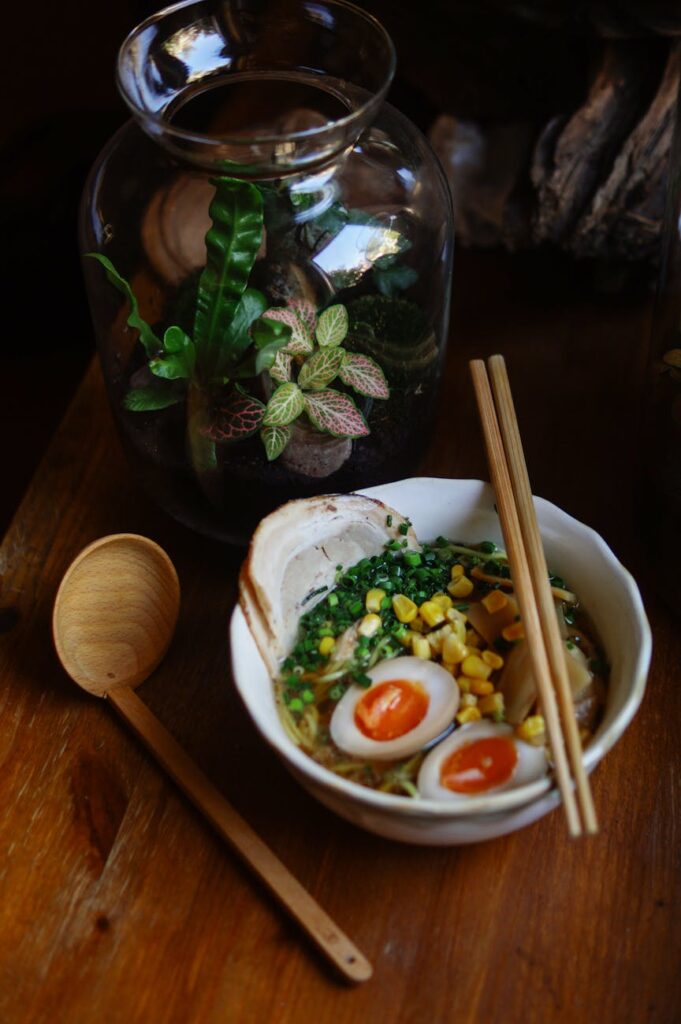
Miso Ramen Broth: FAQs Answered
Introduction
Miso ramen broth is a quintessential component of Japanese cuisine, particularly renowned for its rich umami flavor and versatility. Serving as the foundation for miso ramen, this broth is celebrated not only for its taste but also for the cultural significance it holds in Japanese culinary traditions. This article seeks to delve into the intricacies of miso ramen broth, providing a comprehensive guide to its history, production, quality considerations, and more.
What Is Guides?
In the context of culinary ingredients, “Guides” refer to detailed resources that provide insights, best practices, and essential information about a specific ingredient. These guides can encompass various aspects such as preparation techniques, flavor profiles, and culinary applications, aiming to enhance the understanding and appreciation of the ingredient for both novice cooks and seasoned chefs alike.
History and Origins
Miso itself has a storied history that dates back over a thousand years in Japan. The fermentation of soybeans to produce miso began during the Nara period (710-794 AD) and gained popularity in the subsequent Heian period (794-1185 AD). Initially used as a condiment, miso evolved into a staple ingredient in Japanese households.
The emergence of ramen as a dish can be traced to the late 19th century, initially influenced by Chinese noodle soup traditions. The fusion of miso with ramen broth did not become popular until the post-World War II era, particularly in Hokkaido, where the cold climate made hearty, warming dishes desirable. Miso ramen gained nationwide acclaim and has since become a beloved dish both in Japan and internationally.
Production and Processing
The production of miso ramen broth involves a meticulous process that begins with the fermentation of soybeans, which are typically combined with rice or barley to create different types of miso (white, red, or mixed). The fermentation process can take anywhere from a few months to several years, resulting in a complex flavor profile.
Once the miso is prepared, it is combined with dashi, a traditional Japanese stock made from ingredients such as dried fish, kelp, or mushrooms. The balance of miso and dashi is critical; the former provides depth and richness, while the latter adds a light, umami flavor.
The broth may also include additional components such as sake, mirin, or soy sauce to enhance its complexity. The final product is a deeply flavorful liquid that serves as the base for assembling a complete bowl of miso ramen.
Quality and Grading
The quality of miso ramen broth is largely determined by the quality of the miso used. Authentic miso should have a rich aroma and a balanced flavor that isn’t overly salty. Different regions of Japan may have specific types of miso that are favored for ramen, such as Shiro (white) miso, which is milder, or Aka (red) miso, which has a stronger flavor.
When evaluating miso ramen broth, consider the following factors:
- Color: A well-crafted miso broth typically has a rich, inviting color that may range from light golden to deep brown, depending on the type of miso used.
- Aroma: The fragrance should be complex and inviting, with a balance of savory and sweet notes.
- Texture: The mouthfeel can range from silky to slightly thick, depending on the ingredients and preparation methods.
- Taste: A high-quality broth will have a harmonious balance of umami, sweetness, and saltiness without any one flavor overpowering the others.
- Miso Type: Depending on your flavor preference, opt for white, red, or mixed miso. Each type brings a unique flavor profile, influencing the overall taste of the broth.
- Ingredients: Look for broths made with natural ingredients and without artificial additives or preservatives. The quality of the dashi and any additional flavorings should also be considered.
- Packaging: Choose products that are well-packaged to ensure freshness. Vacuum-sealed or refrigerated options often provide superior quality.
- Source: Consider buying from reputable brands or local producers who specialize in traditional Japanese ingredients.
- Base for Soups: It can be used as a base for other types of soups or stews, offering depth and a robust flavor.
- Marinades: Miso broth can be reduced and used as a marinade for proteins like chicken, fish, or tofu, imparting a savory taste.
- Vegetable Dishes: It can be incorporated into vegetable stir-fries or braises for an added layer of umami.
- Sauces: Miso broth can be thickened and transformed into sauces for drizzling over grilled or roasted dishes.
- Homemade Broth: Once prepared, homemade miso ramen broth should be stored in an airtight container in the refrigerator and typically lasts for about 3 to 5 days. For longer storage, it can be frozen for up to three months.
- Store-Bought Broth: Commercially packaged miso broth often has a longer shelf life, particularly if it is vacuum-sealed or pasteurized. Always check the expiration date and follow any specific storage instructions provided on the label.
- All Miso is the Same: Miso varies widely in flavor, color,
Buying Considerations
When purchasing miso ramen broth or its components, several considerations can aid in selecting the best-quality products:
Uses and Applications
Miso ramen broth serves as the cornerstone for a variety of ramen dishes, but its applications extend beyond ramen itself. Some common uses include:
Storage and Shelf Life
The storage and shelf life of miso ramen broth depend on whether it is homemade or store-bought:
To maintain the best flavor and quality, it is advisable to avoid repeated thawing and refreezing.
Common Misconceptions
Despite its popularity, there are several misconceptions about miso ramen broth: