
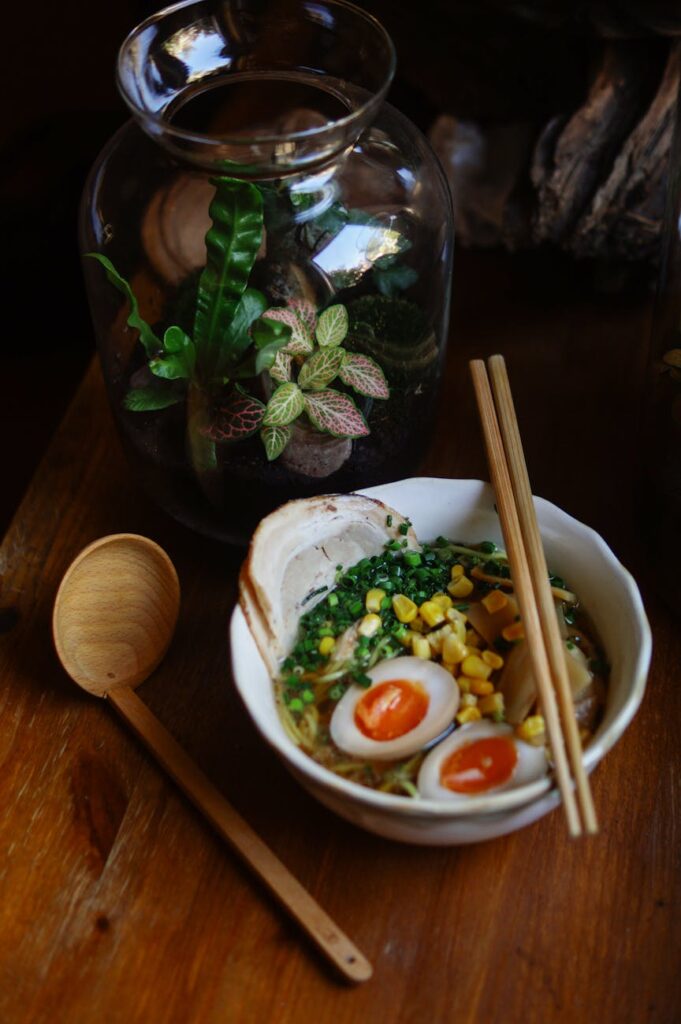
Miso Ramen Myths and Misconceptions
Introduction
Miso ramen, a staple in Japanese cuisine, has captivated food lovers around the world with its rich umami flavor and comforting warmth. However, with its growing popularity comes a myriad of myths and misconceptions that can cloud understanding of this beloved dish. This article aims to dissect these misconceptions, providing clarity on miso ramen’s history, production, quality, and practical applications.
What Is Guides?
In the context of food ingredients, “Guides” refer to informative resources that demystify culinary elements, providing users with insights into their characteristics, uses, and cultural significance. In the case of miso ramen, guides serve to educate enthusiasts and chefs alike about this complex and multifaceted ingredient, ensuring a deeper appreciation and understanding of its role in culinary practices.
History and Origins
Miso ramen traces its roots back to Japan, where ramen itself has a varied history influenced by Chinese noodle dishes. The introduction of miso as a flavoring agent in ramen can be attributed to the post-World War II era, particularly in Hokkaido, where a unique blend of miso, rich in umami, was developed to combat the harsh winters and provide comfort. The dish quickly gained traction across Japan, evolving into various regional styles that integrate local ingredients and flavors.
The use of miso, a fermented soybean paste with a history dating back thousands of years, adds a depth of flavor that distinguishes miso ramen from other ramen types, such as shoyu (soy sauce) or tonkotsu (pork bone broth). This combination of influences has made miso ramen a symbol of culinary innovation and adaptability in Japanese cuisine.
Production and Processing
Miso ramen’s distinctive flavor profile is largely dependent on the quality of the miso used. Miso itself is produced through a fermentation process that involves soybeans, salt, and a specific mold known as koji. The fermentation period can vary, leading to different types of miso, such as white (shiro), red (aka), and mixed (awase), each contributing unique flavors and characteristics to ramen.
The preparation of miso ramen typically begins with a broth base, which can be chicken, pork, or vegetable-based, combined with a variety of seasonings. The miso paste is then blended into the broth, allowing it to dissolve and infuse the soup with its umami-rich flavor. This process is crucial, as the method of integration can significantly affect the final taste and texture of the dish.
Quality and Grading
The quality of miso ramen can vary widely, influenced by both the ingredients and the preparation methods used. When assessing the quality of miso ramen, consider the following factors:
1. Miso Quality: The choice of miso can greatly impact the flavor. High-quality miso, typically made from organic soybeans and aged longer, will yield a more complex taste.
2. Broth Base: A well-crafted broth is essential. High-quality miso ramen often uses homemade broth, simmered for hours to extract maximum flavor from the ingredients.
3. Noodle Quality: The noodles should complement the broth. Fresh, slightly chewy noodles are preferred, as they can better absorb the flavors of the miso broth.
4. Toppings: Traditional toppings such as chashu (braised pork), soft-boiled eggs, green onions, and nori should be fresh and of high quality to enhance the dish.
Grading miso ramen can be subjective, but a well-balanced dish that showcases the harmony of flavors between the broth, miso, and toppings is often considered top-tier.
Buying Considerations
When purchasing miso ramen, whether from a restaurant or a store, it is essential to consider several aspects:
- Miso Type: Different types of miso can drastically alter the flavor profile. White miso tends to be milder and sweeter, while red miso has a deeper, more robust flavor.
- Freshness: If buying pre-packaged ramen, check for dates to ensure freshness. Fresh noodles typically offer superior texture and taste.
- Ingredient Transparency: Look for products that provide information on sourcing and ingredients. High-quality ramen should contain minimal artificial additives.
- Cultural Authenticity: Restaurants that specialize in specific regional styles of ramen may provide a more authentic experience, showcasing traditional cooking techniques and flavors.
- Soups and Stews: Miso can enhance the flavor of other soups, providing a rich base for vegetable or seafood stews.
- Marinades: Miso can serve as a flavorful marinade for meats and vegetables, infusing them with its umami richness.
- Dressing and Sauces: Miso-based dressings can offer a savory twist to salads, while sauces can be made to complement grilled dishes.
- Fusion Dishes: Chefs have creatively integrated miso into various global cuisines, crafting unique dishes that highlight its complex flavors.
- Miso Paste: Store miso paste in an airtight container in the refrigerator, where it can last for several months. The cool temperature slows down fermentation, preserving its flavor.
- Noodles: Fresh ramen noodles should ideally be consumed within a few days of purchase. If not used immediately, they can be frozen for longer storage.
- Broth: Homemade broth can be stored in the refrigerator for up to a week or frozen for several months. Proper cooling before storage is crucial to prevent spoilage.
- Cooked Ramen: Once prepared
Uses and Applications
Miso ramen is not only a popular dish in Japanese cuisine but also serves as a versatile ingredient in various culinary applications. Beyond the traditional bowl of ramen, miso can be utilized in:
Storage and Shelf Life
Proper storage of miso ramen components is essential for maintaining quality and flavor.