
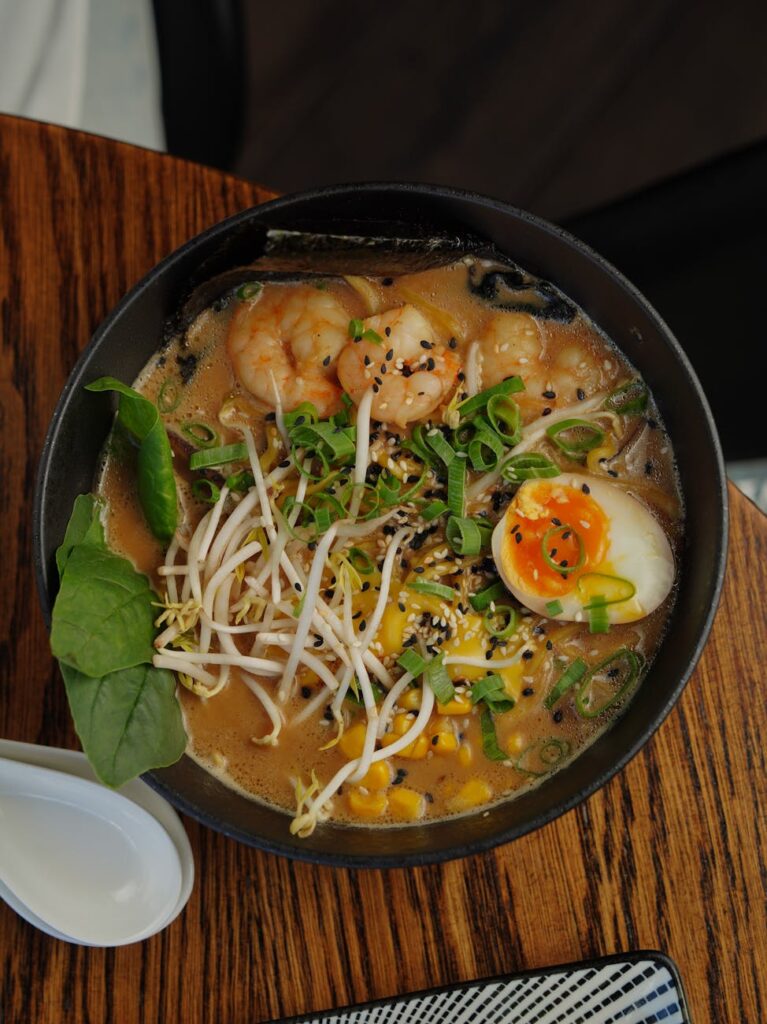
Miso Ramen Noodles About Guide Part 7
Introduction
Miso ramen noodles are a vital component of one of Japan’s most beloved culinary exports. Known for their rich flavor and unique texture, these noodles serve as the foundation for a dish that has captured the hearts and palates of food enthusiasts worldwide. This guide will delve into the intricate aspects of miso ramen noodles, from their historical roots to their production processes, ensuring a comprehensive understanding of this essential ingredient.
What Is About?
In the context of miso ramen noodles, “About” refers to an exploration of the cultural, historical, and culinary significance of these ingredients. It encompasses their origins, production methods, quality considerations, and various applications in cooking. This section aims to provide a holistic view of miso ramen noodles, emphasizing their role in both traditional and contemporary cuisine.
History and Origins
The roots of ramen can be traced back to Chinese wheat noodles, which made their way to Japan in the late 19th century. Initially, ramen was a dish favored by the working class, but it gradually evolved into a national staple. Miso, a fermented soybean paste, was incorporated into ramen in Hokkaido, Japan, during the post-World War II era. The introduction of miso-based ramen is often attributed to the Sapporo region, where the cold climate necessitated a hearty, warming dish.
Miso ramen noodles specifically emerged as chefs began to experiment with flavors and ingredients to create a unique culinary experience. Unlike the more traditional shoyu (soy sauce) or shio (salt) ramen, miso ramen’s distinct umami flavor profile quickly gained popularity, leading to its proliferation across Japan and eventually worldwide.
Production and Processing
Miso ramen noodles are made from wheat flour, water, salt, and a kansui (alkaline mineral water), which is essential for achieving their characteristic texture. The production process typically involves the following stages:
1. Mixing Ingredients: The flour, water, and salt are combined to form a dough. The inclusion of kansui is crucial as it affects the noodle’s firmness and elasticity.
2. Kneading: The dough is kneaded to develop gluten, which provides the noodles with their chewy texture. This step is vital for achieving the right mouthfeel.
3. Resting: The dough is allowed to rest, enabling the gluten to relax, which makes it easier to roll out.
4. Rolling and Cutting: The rested dough is rolled into thin sheets and then cut into noodle strands. The thickness and shape can vary, with some varieties being flat while others are round.
5. Drying and Packaging: After cutting, the noodles may be air-dried or flash-fried, depending on the desired end product. Fresh noodles are often packaged for immediate use, while dried varieties have a longer shelf life.
Quality control is essential throughout the production process to ensure that the noodles maintain their desired texture and flavor.
Quality and Grading
The quality of miso ramen noodles can vary significantly based on several factors, including the type of wheat used, the production method, and the presence of additives. High-quality noodles will typically exhibit the following characteristics:
- Texture: A good miso ramen noodle should have a firm yet tender bite, with a pleasant chewiness.
- Color: Noodles should have a light golden hue, indicative of the quality of the flour and the production process.
- Flavor: While the primary flavor will come from the accompanying miso broth, the noodles themselves should provide a subtle wheat flavor that complements the dish.
- Stir-Fries: Cooked miso ramen noodles can serve as a base for stir-fried dishes, allowing them to absorb flavors from vegetables and sauces.
- Cold Noodle Salads: Chilled noodles can be tossed with fresh vegetables, sesame oil, and vinaigrette for a refreshing summer dish.
- Noodle Soups: Beyond miso ramen, these noodles can be used in various soup preparations, providing a satisfying texture to brothy dishes.
- Fusion Cuisine: Chefs often incorporate miso ramen noodles into non-traditional dishes, such as noodle bowls or salads, showcasing their adaptability.
- Fresh Noodles: Typically, fresh miso ramen noodles should be consumed within a week of purchase if kept in the refrigerator. They can also be frozen for up to three months
Grading systems may vary, but many producers will classify their noodles based on these attributes. Consumers are encouraged to look for reputable brands that prioritize traditional methods and high-quality ingredients.
Buying Considerations
When purchasing miso ramen noodles, several factors should be taken into account:
1. Fresh vs. Dried: Fresh noodles generally provide a superior texture and flavor, but dried versions offer a longer shelf life and convenience. Choose based on your intended use and storage capabilities.
2. Ingredients: Look for noodles made from high-quality wheat flour without unnecessary additives. The presence of kansui is essential, as it greatly affects the noodle’s texture.
3. Packaging: Ensure that the packaging is intact and that the noodles are stored in a cool, dry place. Check for an expiration date to guarantee freshness.
4. Brand Reputation: Opt for brands known for their artisanal production methods and commitment to quality. Specialty Asian grocery stores often carry more authentic options than mainstream supermarkets.
5. Cooking Instructions: Different types of noodles may have varying cooking times. Always refer to the packaging for the best results.
Uses and Applications
Miso ramen noodles are primarily used in ramen dishes, where they are paired with a miso-based broth. However, their culinary versatility extends beyond traditional ramen. Here are some applications:
Storage and Shelf Life
The storage and shelf life of miso ramen noodles depend on whether they are fresh or dried: