
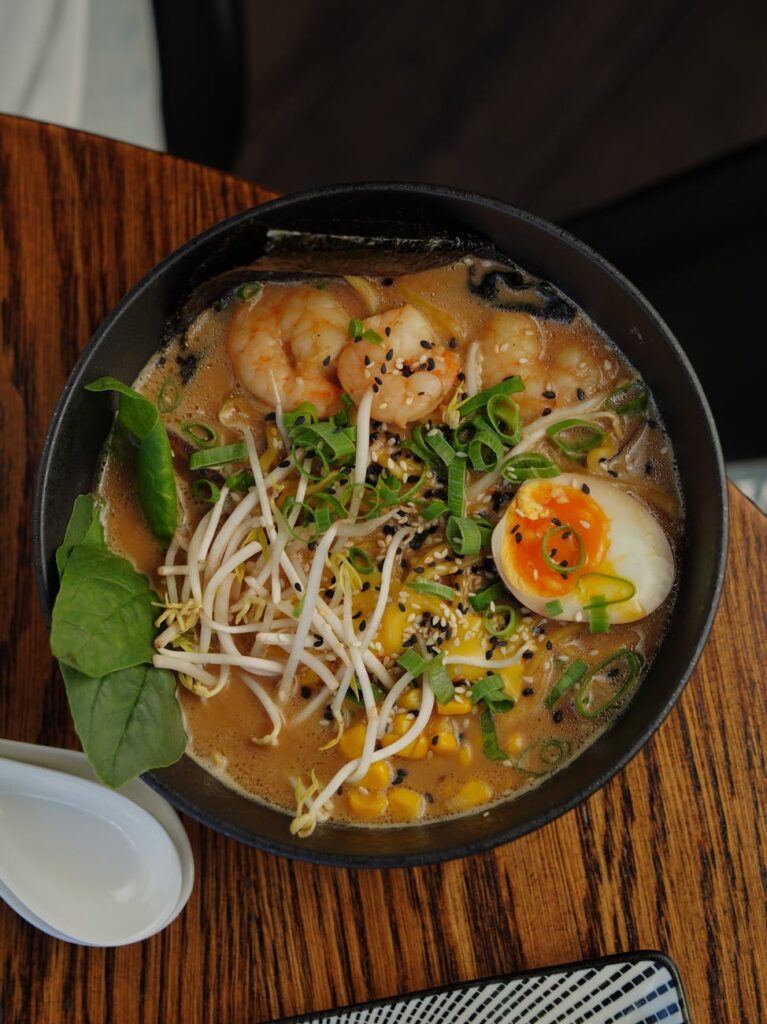
Miso Ramen Noodles: Around the World
Introduction
Miso ramen noodles have garnered global acclaim for their complex flavors and unique textures. As a staple of Japanese cuisine, these noodles are celebrated for their rich umami profile, often enhanced by the inclusion of miso paste. This article delves into the various regions where miso ramen noodles are enjoyed, their historical context, production methods, and their growing popularity in culinary cultures worldwide.
What Is Regions?
In the context of miso ramen noodles, “regions” refers to the geographical areas where these noodles are produced, consumed, and celebrated. Each region brings its own unique twist to the dish, influenced by local ingredients, culinary traditions, and preferences. Understanding these regions allows enthusiasts and chefs alike to appreciate the nuances of miso ramen, from the noodle texture to the flavor profile of the broth.
History and Origins
The history of miso ramen noodles is deeply intertwined with Japanese culinary traditions. Ramen itself is believed to have originated from Chinese noodle dishes, with the first recorded mention in Japan dating back to the late 19th century. Miso ramen specifically emerged in the mid-20th century in Hokkaido, where the cold climate necessitated a hearty, warming dish.
Hokkaido’s Sapporo is widely recognized as the birthplace of miso ramen, where the local miso paste is made from fermented soybeans and is characterized by its robust, savory flavor. The dish quickly gained popularity across Japan, leading to regional variations that incorporated local ingredients and culinary techniques.
Production and Processing
The production of miso ramen noodles involves several key steps that contribute to their distinctive texture and flavor. Typically made from wheat flour, water, salt, and kansui (alkaline water), the dough undergoes a meticulous process of mixing, kneading, and resting. The addition of kansui is crucial; it elevates the noodle’s alkalinity, giving it a firm texture and a characteristic yellow hue.
Once the dough is prepared, it is rolled out and cut into thin strands, which are then steamed to achieve the desired chewy consistency. The noodles are often dried or flash-frozen to preserve their quality, making them convenient for distribution and storage.
The miso component of the dish is produced through fermentation, which can take several months or even years. The type of miso used—be it white (shiro), red (aka), or mixed—adds depth to the flavor profile, contributing to the overall experience of eating miso ramen.
Quality and Grading
Quality and grading of miso ramen noodles can vary significantly based on several factors, including the quality of the wheat flour, the production methods employed, and the type of miso used. High-quality noodles should exhibit a smooth surface, a firm texture, and a slight elasticity.
Japanese standards often classify miso based on its color, flavor, and fermentation process. White miso tends to be milder and sweeter, while red miso is richer and saltier. The choice of miso can dramatically affect the overall taste of the ramen, making it essential for chefs to select the type that best complements their dish.
Buying Considerations
When purchasing miso ramen noodles, there are several factors to consider to ensure you select the best product:
1. Type of Noodles: Look for fresh or dried varieties, depending on your cooking needs. Fresh noodles generally provide superior texture, while dried noodles offer longer shelf life.
2. Wheat Quality: Higher-grade noodles are typically made from premium wheat flour. Check for brands that specify their sourcing practices or use organic ingredients.
3. Miso Quality: If you are purchasing pre-packaged miso ramen kits, pay attention to the type of miso included. Authentic products will often specify the region of origin for the miso.
4. Packaging: Choose products with minimal additives and preservatives. Authentic miso ramen noodles should have a short ingredient list.
5. Shelf Life: Consider the expiration date, especially for dried noodles, to ensure freshness.
Uses and Applications
Miso ramen noodles are incredibly versatile and can be used in a variety of culinary applications:
- Traditional Ramen Dishes: The most common use is in ramen soup, where the noodles are boiled and served with miso-based broth, vegetables, and protein like pork, chicken, or tofu.
- Stir-Fries: These noodles can also be used in stir-fries, providing a unique texture and flavor when combined with vegetables and sauces.
- Cold Dishes: In summer, miso ramen noodles can be served cold, often paired with dipping sauces or chilled broth.
- Salads: Incorporating miso ramen noodles into salads can add a delightful chewiness and help absorb flavors from dressings.
- Fresh Noodles: These should be refrigerated and consumed within a week for the best quality. If not used within this timeframe, they can be frozen for longer storage, typically up to three months.
- Dried Noodles: Dried miso ramen noodles have a much longer shelf life, often lasting up to a year if stored in a cool, dry place. Ensure the packaging is intact and sealed to prevent moisture absorption.
Storage and Shelf Life
The storage and shelf life of miso ramen noodles depend on whether they are fresh or dried.
Regardless of the type, always check the packaging for specific storage instructions to maintain optimal freshness.
Common Misconceptions
Despite their popularity, several misconceptions surround miso ramen noodles:
1. Ramen is Just Instant Noodles: While instant ramen is widely known, authentic miso ramen noodles are usually fresh and handmade, offering a vastly superior taste and texture.
2. All Ramen is the Same: Ramen varies greatly by region, with each area in Japan having its unique style, broth, and