
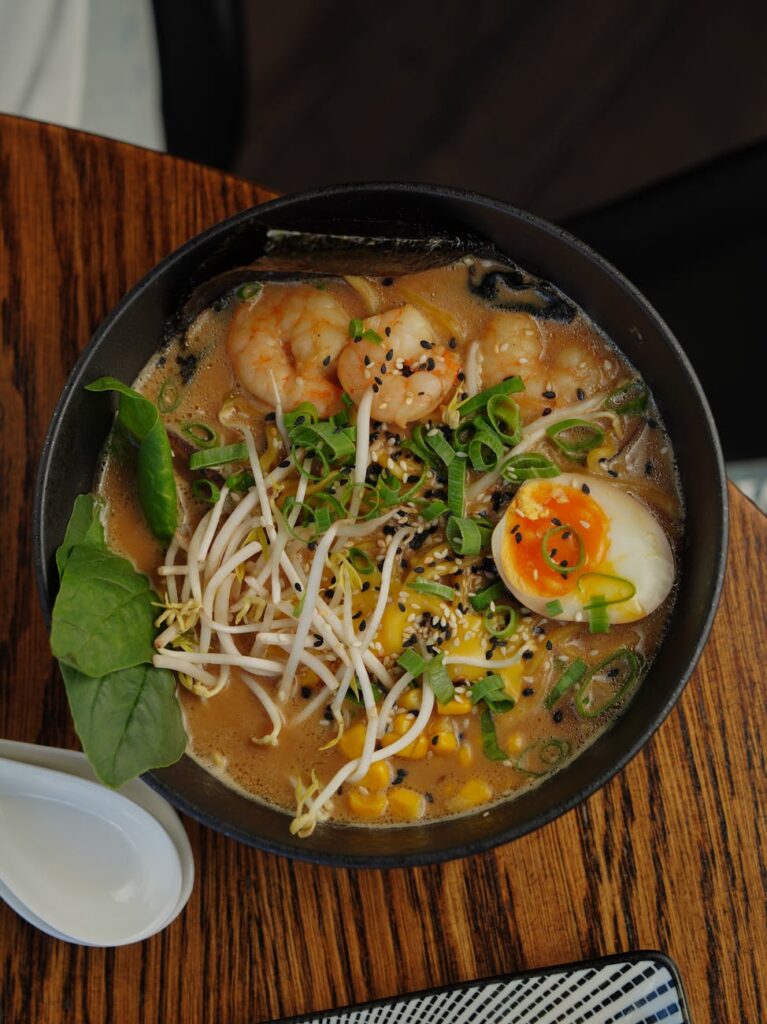
Miso Ramen Noodles in Traditional Cuisine
Introduction
Miso ramen noodles, an integral component of the beloved Japanese dish, embody a rich tapestry of flavors, textures, and cultural significance. With roots deeply embedded in Japan’s culinary heritage, these noodles serve not only as a foundation for a hearty bowl of ramen but also as a canvas for a variety of ingredients and flavors. This article explores the multifaceted uses of miso ramen noodles within traditional cuisine, shedding light on their history, production processes, and various applications.
What Is Uses?
In the context of culinary ingredients, “uses” refers to the myriad ways an ingredient can be incorporated into dishes. This encompasses not only the primary function of an ingredient—such as providing texture or flavor—but also its versatility in various recipes, cultural significance, and the techniques employed in its preparation. For miso ramen noodles, uses extend beyond mere sustenance; they encompass tradition, creativity, and the essence of Japanese cooking.
History and Origins
The origins of ramen can be traced back to China, where wheat noodles were first introduced. However, it was in Japan that ramen evolved into a unique culinary phenomenon. The introduction of miso as a flavoring agent in ramen can be credited to Hokkaido, Japan’s northernmost island, where the cold climate necessitated hearty, warming meals. Miso ramen, characterized by its rich, savory broth, became popular in the mid-20th century, particularly in Sapporo. The incorporation of miso into ramen represents a fusion of Chinese noodle-making techniques and Japanese flavor profiles, leading to a dish that is both comforting and complex.
Production and Processing
Miso ramen noodles are produced using wheat flour, water, and a small amount of salt. The dough is kneaded, rolled, and cut into strands, resulting in the characteristic texture of ramen. Unlike other types of noodles, miso ramen noodles often contain kansui, an alkaline mineral water that enhances their elasticity and chewiness. The presence of kansui is vital for achieving the ideal bite that ramen enthusiasts seek.
The production process involves several stages:
1. Mixing: Flour and water are combined to create a dough. The ratio of water to flour is crucial for determining the noodle’s final texture.
2. Kneading: The dough is kneaded to develop gluten, which contributes to the chewiness of the noodles.
3. Resting: Allowing the dough to rest helps relax the gluten, making it easier to roll out.
4. Cutting: The rested dough is rolled out into sheets and cut into thin strands.
5. Drying: Depending on the desired end product, the noodles may be air-dried or steamed and packaged fresh.
Traditional methods emphasize the use of high-quality, locally sourced ingredients, which contribute to the unique flavor and texture of miso ramen noodles.
Quality and Grading
The quality of miso ramen noodles can vary widely based on ingredients, production methods, and regional preferences. When assessing quality, several factors come into play:
- Texture: High-quality noodles should have a firm, chewy texture, allowing them to hold up well in broth.
- Color: Fresh noodles typically exhibit a pale yellow hue, while dried noodles may appear slightly darker. The color can also indicate the presence of kansui.
- Smell: Fresh ramen noodles often have a mild, wheaty aroma, while dried varieties should not have any off-putting smells.
- Ingredient Quality: The use of premium flour and natural additives contributes to a superior product.
- Ramen Bowls: The most iconic use, where miso ramen noodles are paired with rich, miso-based broths and an array of toppings, such as chashu (braised pork), green onions, and nori (seaweed).
- Stir-Fries: Miso ramen noodles can be stir-fried with vegetables, proteins, and sauces for a quick, flavorful meal. Their chewy texture holds up well in high heat.
- Cold Dishes: In warmer months, miso ramen noodles can be served cold with dipping sauces or in salads. This application highlights their versatility and ability to pair with various ingredients.
- Noodle Soups: In addition to traditional ramen, these noodles can be used in other soup styles, such as udon or soba, offering a unique twist.
- Fusion Cuisine: Miso ramen noodles have found their way into global culinary trends, appearing in dishes that blend different cuisines, such as miso ramen tacos or miso ramen salads.
Grading systems may vary, but typically, premium noodles are labeled as “artisanal” or “handmade,” while mass-produced varieties may be categorized as “standard” or “commercial.”
Buying Considerations
When purchasing miso ramen noodles, several factors should be taken into account:
1. Type of Noodle: Consider whether you prefer fresh or dried noodles. Fresh noodles offer a softer texture, while dried noodles have a longer shelf life.
2. Brand Reputation: Research brands known for their quality and authenticity. Look for artisanal producers who emphasize traditional methods.
3. Ingredient Transparency: Examine the ingredient list. High-quality noodles should contain minimal additives and preservatives.
4. Allergens: Be mindful of any allergens, especially for those with gluten sensitivities. Some brands offer gluten-free alternatives.
5. Packaging: Look for packaging that preserves freshness. Vacuum-sealed or airtight packages are preferable for dried noodles.
Uses and Applications
Miso ramen noodles serve as the backbone of various dishes, particularly in traditional Japanese cuisine. Their versatility extends beyond mere ramen soup; they can be utilized in a variety of culinary applications, including:
Storage and Shelf Life
The storage and shelf life of miso ramen noodles depend on