
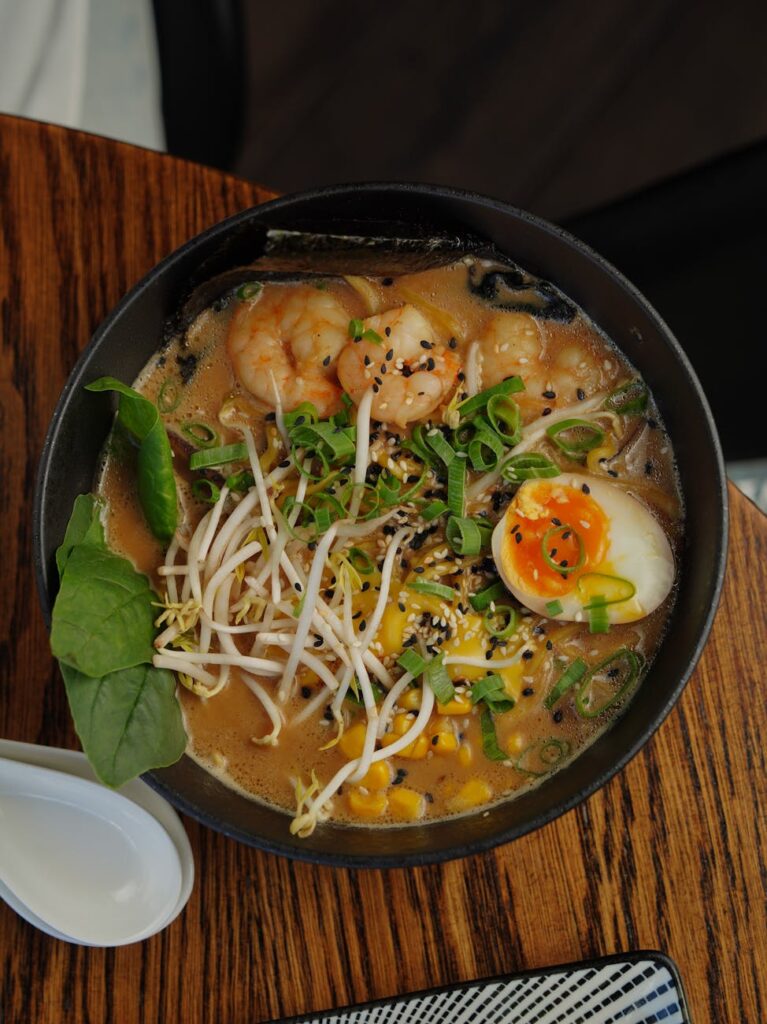
Miso Ramen Noodles: Origins and Evolution
Introduction
Miso ramen noodles have become a staple in the world of culinary delights, particularly within Japanese cuisine. These noodles, characterized by their unique texture and flavor profile, are an integral component of miso ramen, a dish that has gained global popularity. This article delves into the origins, evolution, and various aspects of miso ramen noodles, providing a comprehensive understanding of this beloved ingredient.
What Is Miso Ramen Noodles?
Miso ramen noodles are wheat-based noodles specifically crafted for use in miso ramen, a type of Japanese noodle soup that features miso as a primary flavoring agent. The noodles are typically characterized by their elasticity, chewiness, and ability to absorb the soup’s rich flavors. Miso ramen itself is distinguished by its savory and slightly sweet taste, derived from fermented soybeans, which imparts a deep umami flavor to the dish.
History and Origins
The origins of miso ramen can be traced back to Japan in the early 20th century, although the roots of ramen itself date further back to Chinese wheat noodle traditions. Ramen as an entity began to evolve in Japan around the late 19th to early 20th century, with various regional styles emerging.
Miso ramen is believed to have originated in Hokkaido, Japan’s northernmost island. In the 1950s, the Sapporo region popularized miso ramen as a response to the harsh winter climate, providing a hearty and warming meal. The use of miso, a fermented soybean paste, not only contributed to the flavor but also added nutritional value, making it an ideal choice for the local population.
The rising popularity of miso ramen was further fueled by the post-war ramen boom in Japan, leading to the establishment of numerous ramen shops specializing in this flavor. Over the years, miso ramen has evolved, incorporating various ingredients and styles, but its fundamental elements have remained consistent.
Production and Processing
The production of miso ramen noodles involves several key steps, ensuring that they possess the desired texture and flavor.
1. Ingredient Selection: High-quality wheat flour is the primary ingredient used in noodle production. The choice of flour can greatly affect the noodle’s texture. Some manufacturers may also incorporate kansui, an alkaline mineral water that contributes to the noodle’s elasticity and yellow color.
2. Dough Preparation: The flour is mixed with water and any additional ingredients to create a dough. This dough is then kneaded to develop gluten, which is crucial for achieving the desired chewiness.
3. Sheeting and Cutting: Once the dough reaches the right consistency, it is rolled out into thin sheets and cut into noodle shapes. The width and thickness can vary, depending on regional preferences and specific recipes.
4. Cooking and Drying: The noodles can be either fresh or dried. Fresh noodles are typically cooked immediately, while dried noodles undergo a drying process to extend shelf life and enhance preservation.
5. Packaging: Once processed, the noodles are packaged for distribution, often accompanied by information regarding their cooking instructions and storage recommendations.
Quality and Grading
Quality is a critical aspect when it comes to miso ramen noodles, as it directly influences the eating experience. Factors that determine quality include:
- Texture: High-quality noodles should have a firm yet chewy texture, capable of holding up against hot broth.
- Color: A vibrant yellow hue often indicates the presence of kansui, which is desirable in ramen noodles.
- Flavor: While noodles are generally neutral in taste, the quality of the wheat and any additional ingredients can impart subtle flavor notes.
- Moisture Content: Properly dried noodles should have a consistent moisture level, which affects cooking time and shelf life.
- Soups and Broths: Miso ramen noodles can be used in various soups, not just traditional ramen, allowing for creative adaptations with different broths and toppings.
- Stir-fries: When cooked and cooled, these noodles can be stir-fried with vegetables, proteins, and sauces for a quick and satisfying dish.
- Salads: Chilled ramen noodles can serve as a base for refreshing salads, complemented by sesame dressing, fresh vegetables, and proteins.
- Casseroles: Their unique texture makes them suitable for baked dishes, lending themselves well to layered casseroles.
- Fresh Noodles: Typically last about a week when stored in the refrigerator. It’s advisable
Grading typically involves sensory evaluation, where expert tasters assess the noodles’ texture, flavor, and appearance. Additionally, some manufacturers adhere to quality certifications that ensure their noodles meet specific standards.
Buying Considerations
When purchasing miso ramen noodles, several factors should be taken into account to ensure a satisfactory experience:
1. Fresh vs. Dried: Fresh noodles often offer superior texture and flavor but have a shorter shelf life. Dried noodles provide convenience and longer storage but may require careful cooking to achieve the desired texture.
2. Brand Reputation: Opting for well-known brands or those with a history of producing quality ramen noodles can enhance your chances of selecting a superior product.
3. Ingredient Transparency: Look for products that clearly list their ingredients, avoiding those with excessive additives or preservatives.
4. Cooking Instructions: Pay attention to cooking instructions, as different noodle types may require varying cooking times for optimal results.
5. Packaging: Consider packaging that preserves freshness, such as vacuum-sealed options, which can extend shelf life and maintain quality.
Uses and Applications
Miso ramen noodles are primarily used in miso ramen soup, but their versatility extends beyond this traditional application. Here are several ways to incorporate these noodles into culinary creations:
Storage and Shelf Life
The storage and shelf life of miso ramen noodles depend on their type: