
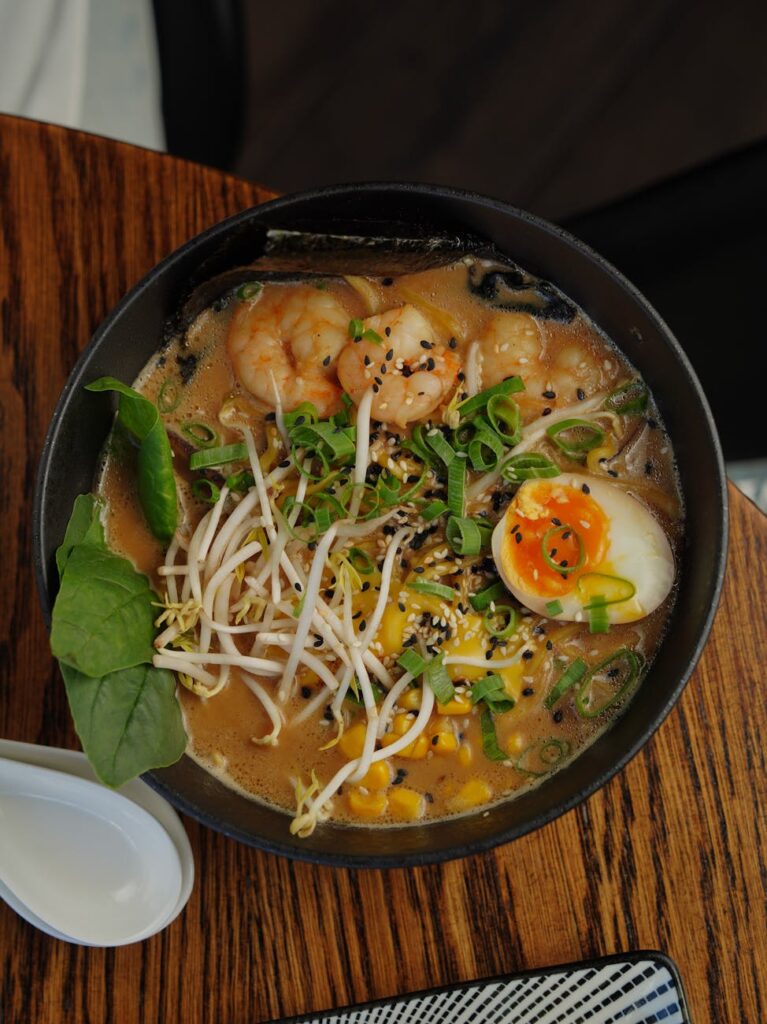
Miso Ramen Noodles: Origins and Evolution
Introduction
Miso ramen noodles represent a flavorful intersection of tradition and innovation within Japanese cuisine. Originating in Japan, these noodles have seen a remarkable evolution, blending regional ingredients and techniques with global culinary influences. With a unique umami taste derived from miso paste, these noodles are not only a staple in Japanese households but have also gained international popularity. This article delves into the history, production, and various aspects of miso ramen noodles, providing a comprehensive understanding of this beloved ingredient.
What Is Miso Ramen Noodles?
Miso ramen noodles are a type of wheat noodle traditionally served in a miso-based broth. Miso, a fermented soybean paste, is the key ingredient that imparts a rich, savory flavor to the dish. The noodles themselves are typically made from wheat flour, water, salt, and kansui, an alkaline mineral water that gives ramen its characteristic chewy texture. The combination of the creamy miso broth and the firm noodles creates a satisfying dish that is both comforting and nutritious.
History and Origins
The origins of ramen can be traced back to China, where wheat noodles were first introduced. However, the transformation of ramen into a distinctly Japanese dish began in the early 20th century. Miso ramen specifically emerged in Hokkaido, Japan, after World War II. As food scarcity prompted creativity among chefs, they began experimenting with various broths and flavorings, leading to the development of miso ramen.
Miso itself has a rich history, dating back over a thousand years. It is believed to have been introduced to Japan by Buddhist monks who brought fermented soybean techniques from China. Over time, miso became integral to Japanese cuisine, with regional variations in flavor and texture.
The first recorded instance of miso ramen appeared in Sapporo in the 1950s, where the combination of hearty miso broth and thick, chewy noodles resonated with locals. This adaptation was not merely a new dish but a response to the cold climate of Hokkaido, where hearty foods were favored.
Production and Processing
The production of miso ramen noodles involves several key steps, each contributing to the final product’s quality and flavor.
1. Ingredient Selection: High-quality wheat flour is crucial for producing ramen noodles. The gluten content affects the texture, with higher protein levels yielding firmer noodles. Some manufacturers also incorporate unique local ingredients, such as Hokkaido’s soft water, to enhance the dough’s properties.
2. Dough Preparation: The dough is made by mixing flour, water, salt, and kansui. Kansui is essential as it alters the pH of the dough, resulting in a firmer texture and a slight yellow hue. Kneading is a vital step, ensuring even distribution of ingredients.
3. Resting: After kneading, the dough is allowed to rest, which relaxes the gluten and makes the dough easier to roll out.
4. Rolling and Cutting: The rested dough is rolled out into thin sheets, which are then cut into the desired noodle shape. This can range from straight to curly, depending on regional preferences.
5. Cooking: The noodles are typically parboiled before being packaged or served. This process ensures they maintain their texture when later cooked in broth.
6. Drying or Packaging: Depending on the intended use, noodles can be air-dried or flash-frozen. Fresh noodles are often preferred in restaurants for their superior texture, while dried noodles offer convenience for home cooks.
Quality and Grading
The quality of miso ramen noodles is determined by several factors: ingredient quality, texture, and flavor. When assessing ramen noodles, consider the following grading criteria:
- Texture: High-quality noodles should have a firm bite and a slight chewiness, often referred to as “al dente.” This texture allows them to hold up well in broth without becoming mushy.
- Color: The ideal ramen noodle has a slight yellow hue, indicative of the kansui used during production. The color can vary across regions, with some areas favoring darker noodles.
- Freshness: Fresh noodles generally provide a superior eating experience compared to dried varieties. When buying, check for packaging dates and opt for products with the shortest shelf life.
- Flavor: Quality noodles should have a subtle flavor that complements the miso broth without overpowering it.
- Type of Noodle: Decide whether you prefer fresh or dried noodles. Fresh noodles are often found in refrigerated sections at specialty stores, while dried noodles are widely available in supermarkets.
- Brand Reputation: Opt for well-known brands or artisanal producers that focus on traditional techniques and high-quality ingredients.
- Ingredients: Check the ingredient list for authenticity. High-quality ramen noodles typically contain only flour, water, kansui, and salt, with no artificial additives.
- Cooking Time: Pay attention to cooking instructions, as fresh and dried noodles have different cooking times. Ensure you have the right type for your intended dish.
- Regional Variations: Different regions in Japan produce distinct styles of miso ramen noodles. Explore various options to find your preferred flavor and texture profile.
- Classic Ramen: The most common use, where noodles are served in a rich miso broth, garnished with toppings like green onions, chashu pork, and menma (bamboo shoots).
- Stir-Fries: Cooked miso ramen noodles can be stir-fried with vegetables, proteins, and sauces for a quick and flavorful meal.
- Cold Dishes:
Buying Considerations
When purchasing miso ramen noodles, several factors should guide your selection:
Uses and Applications
Miso ramen noodles serve as a versatile base for various dishes, not limited to traditional ramen soup. Here are some common applications: