
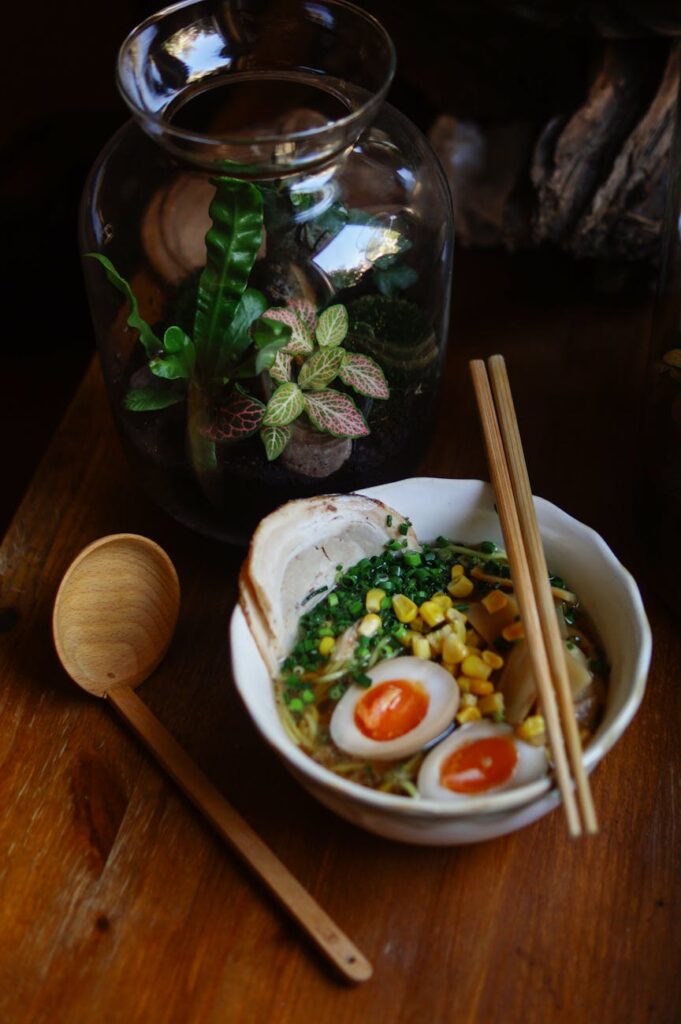
Miso Ramen Regions Guide Part 7
Introduction
Miso ramen, an iconic dish in Japanese cuisine, showcases the rich flavors of fermented soybean paste, or miso. This beloved noodle soup varies significantly across Japan, influenced by regional ingredients, climate, and culinary traditions. In this guide, we delve into the diverse regions of miso ramen, exploring how geography shapes its character and taste. From Hokkaido’s robust profiles to Kyushu’s unique twists, we will uncover the intricacies that define each regional specialty.
What Is Regions?
In the context of culinary ingredients like miso ramen, “regions” refer to the geographical areas where specific styles of ramen have developed, each with its unique ingredients, preparation methods, and flavors. These regional distinctions reflect local agricultural practices, historical influences, and cultural preferences, creating a rich tapestry of ramen styles across Japan. Understanding these regions is essential for appreciating the depth and diversity of miso ramen.
History and Origins
Miso ramen has its roots in the post-war period of Japan, particularly the 1950s, when ramen began to gain popularity as a comfort food. The introduction of miso as a flavoring agent is attributed to Hokkaido, where the cold climate necessitated hearty meals. The first miso ramen is believed to have been served at a restaurant in Sapporo, which remains a focal point for miso ramen enthusiasts today.
Historically, miso itself is an ancient condiment, with origins dating back over a thousand years. It was originally used as a protein source and a flavor enhancer. The marriage of miso with ramen noodles is a relatively modern innovation, but it quickly became a staple in many regions, each adapting it to local tastes and ingredients.
Production and Processing
The production of miso ramen begins with its primary ingredient: miso. This fermented soybean paste is crafted through a meticulous process involving the fermentation of soybeans, salt, and a koji starter, which is essential for developing the umami flavor profile. Different regions in Japan often have their own variations of miso, influenced by local agricultural products and traditions. For instance, Hokkaido is known for its rich, red miso, while Kyushu favors a lighter, sweeter white miso.
Once the miso is prepared, it is combined with dashi, a Japanese broth typically made from kombu (seaweed) and bonito flakes, to create the base for the ramen soup. Noodles, usually made from wheat flour, water, salt, and kansui (an alkaline mineral water), are then cooked separately. The final assembly involves combining the noodles with the miso-based broth and garnishing with various toppings, each region showcasing its unique flair.
Quality and Grading
The quality of miso ramen can vary significantly based on the quality of its ingredients, particularly the miso. Premium miso is often made using organic soybeans and traditional fermentation techniques, resulting in a more complex flavor profile. In Japan, miso is commonly graded based on factors such as color, texture, and aroma.
When it comes to ramen noodles, the texture and elasticity are paramount. High-quality noodles should have a firm bite and a smooth surface, allowing them to hold the broth effectively. Regions may have local preferences—thicker noodles in Sapporo and thinner ones in Tokyo, for instance—adding to the overall experience.
Buying Considerations
When purchasing miso ramen ingredients, several factors should be taken into account:
1. Miso Type: Understanding the different types of miso (red, white, and mixed) can help you choose the right flavor for your dish.
2. Noodle Quality: Fresh noodles are preferable, as they offer better texture and flavor. Look for artisanal brands or local shops that specialize in ramen.
3. Broth Ingredients: For those who wish to make their broth, sourcing quality dashi ingredients is critical. Look for authentic bonito flakes and kombu to achieve a rich flavor.
4. Regional Brands: Many regions produce their own branded miso and ramen products. Exploring these can lead to discovering unique flavors and culinary traditions.
5. Sustainability: As with any culinary ingredient, consider the sustainability of your choices, opting for local and organic products when possible.
Uses and Applications
Miso ramen is primarily enjoyed as a soup dish but can also inspire a range of culinary applications. The miso broth can serve as a base for various noodle dishes, stir-fries, or even marinades for proteins. Additionally, the toppings traditionally used in miso ramen, such as chashu (braised pork), menma (bamboo shoots), and green onions, can be adapted to enhance other dishes.
In some regions, miso ramen is even incorporated into fusion cuisine, combining elements from other culinary traditions. For example, it can appear in a miso ramen burger, where the flavors of the broth are infused into a patty or as a dressing for salads.
Storage and Shelf Life
Proper storage of miso ramen ingredients is vital for maintaining their quality. Miso paste should be kept in an airtight container in the refrigerator, where it can last for several months, if not longer. It is advisable to use a clean utensil to scoop out miso to prevent contamination.
Ramen noodles, if dried, can be stored in a cool, dry place and will last for several months. Fresh noodles, however, should be consumed within a few days and can be frozen for extended storage. Broth, if made in bulk, should be refrigerated and consumed within a few days but can also be frozen for longer preservation.
Common Misconceptions
1. All Miso is the Same: There are various types of miso, each with distinct flavors and uses. Understanding these differences is essential to appreciating miso ramen fully.
2. R