
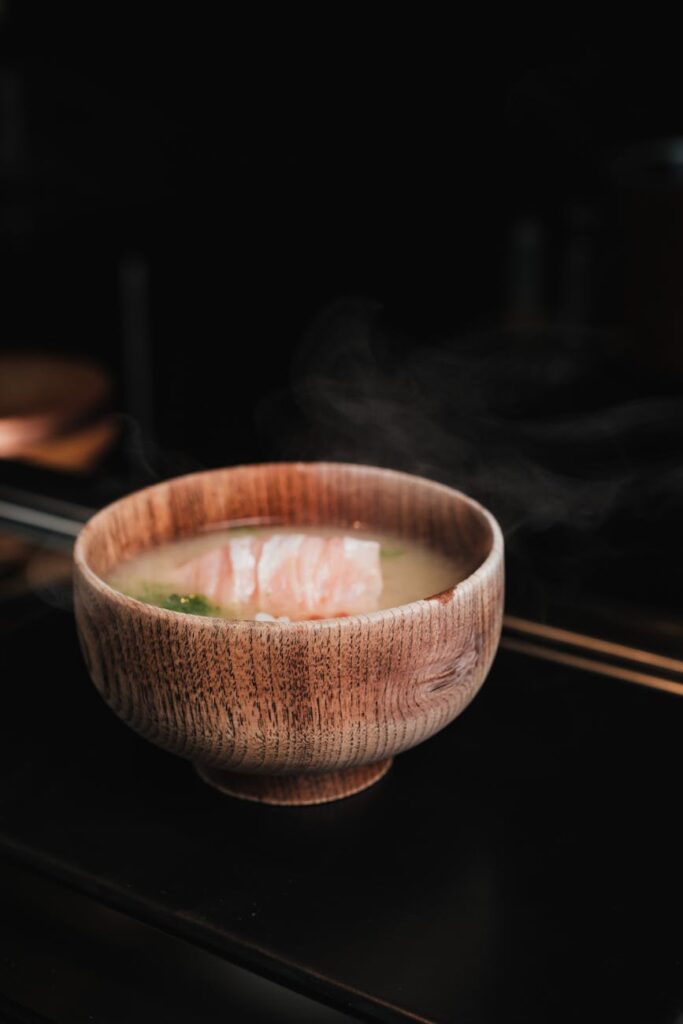
Miso Shiru Cultivation Explained
Introduction
Miso shiru, or miso soup, is a quintessential component of Japanese cuisine, celebrated for its rich umami flavor and nutritional benefits. While the final product is a delicious soup, the journey from ingredient cultivation to table is a complex process that involves several stages, particularly focusing on the growth of its primary ingredient: miso. Understanding the cultivation of miso shiru provides insight into not only its flavors but also its cultural significance.
What Is Growing?
The term “growing” in the context of miso shiru refers primarily to the cultivation of its core components: soybeans, koji (a fermented rice, barley, or soy), and salt. Each of these elements plays a vital role in the creation of miso paste, which is the foundational ingredient of miso shiru.
Soybeans are the primary ingredient for most types of miso, and they undergo a specific growth cycle. Koji is produced through the fermentation of grains—commonly rice or barley—by the mold Aspergillus oryzae. Salt acts as both a preservative and a flavor enhancer. Together, these elements create a complex, flavorful miso paste, which is then transformed into miso shiru through the addition of dashi (broth) and various other ingredients.
History and Origins
Miso has a storied past, believed to have originated in ancient China around 200 BCE before making its way to Japan in the 7th century. Initially used as a form of preserved food, miso evolved into a staple in Japanese households by the Edo period (1603–1868). The fermentation process was perfected over generations, leading to the wide variety of miso types we see today, including white, red, and mixed varieties.
Miso shiru itself gained popularity as a breakfast staple, often served alongside rice and pickles. The dish reflects the Japanese philosophy of harmony with nature, emphasizing seasonal ingredients and balance in flavor.
Production and Processing
Cultivation of Soybeans
The cultivation of soybeans is a meticulous process. Soybeans thrive in warm climates with well-drained, fertile soil. They are typically sown in late spring and harvested in early autumn. Farmers often practice crop rotation to maintain soil fertility and manage pests, ensuring a sustainable yield.
Once harvested, soybeans are cleaned, soaked, and steamed to prepare them for fermentation. The steaming process is crucial as it activates enzymes that break down the beans’ starches into sugars, laying the groundwork for fermentation.
Koji Production
Koji is essential for miso production and involves a delicate fermentation process. After steaming, the rice or barley is inoculated with Aspergillus oryzae spores and kept in a controlled environment where temperature and humidity are carefully monitored. This fermentation lasts for about 48 hours, during which enzymes break down the starches and proteins into simpler sugars and amino acids.
Miso Fermentation
The next stage involves mixing the koji with the prepared soybeans and salt. The mixture is placed in fermentation tanks, where it can ferment for anywhere from a few weeks to several years, depending on the desired flavor profile. During this time, the enzymes continue to work, developing complex flavors and aromas.
Quality and Grading
The quality of miso shiru hinges on several factors, including the quality of the soybeans, koji, and salt used, as well as the length and conditions of fermentation. Miso is often graded based on its color, flavor, and aroma, which can range from sweet and mild (white miso) to salty and robust (red miso).
In Japan, miso is categorized into various types such as:
- Shiro Miso (White Miso): Typically sweeter and fermented for a shorter time.
- Aka Miso (Red Miso): Fermented longer, resulting in a stronger, saltier flavor.
- Awase Miso (Mixed Miso): A blend of white and red miso, offering a balanced taste.
- Avoid Contamination: Use a
Artisanal producers may also offer unique variations that reflect local ingredients and traditions.
Buying Considerations
When purchasing miso, it is essential to consider the following:
1. Type of Miso: Choose based on your intended use. For milder soups, opt for white miso; for richer flavors, select red miso.
2. Ingredients: Look for miso made with organic soybeans and without artificial additives. The fewer the ingredients, the better.
3. Fermentation Time: Longer fermentation typically results in deeper flavors. Check the label for details.
4. Packaging: Miso should be stored in airtight containers to maintain freshness. Vacuum-sealed packages are ideal.
5. Local vs. Imported: Some may prefer locally produced miso, which can offer fresher flavors and support regional agriculture.
Uses and Applications
Miso shiru serves as a versatile base for various dishes. While its primary role is as a soup, it can also be used as a flavoring for sauces, marinades, and dressings. In addition to traditional ingredients like tofu and seaweed, miso can enhance the flavor of vegetables, grains, and even meats, making it a valuable addition to a wide range of culinary applications.
Beyond its use in cooking, miso is frequently utilized in Japanese culture for ceremonial purposes and is integral to seasonal festivals, showcasing its deep cultural roots.
Storage and Shelf Life
Miso has an impressive shelf life due to its fermented nature. When stored properly in an airtight container and kept in a cool, dark place, it can last for up to a year or more. Once opened, it is best to refrigerate miso to maintain its flavor and quality.