
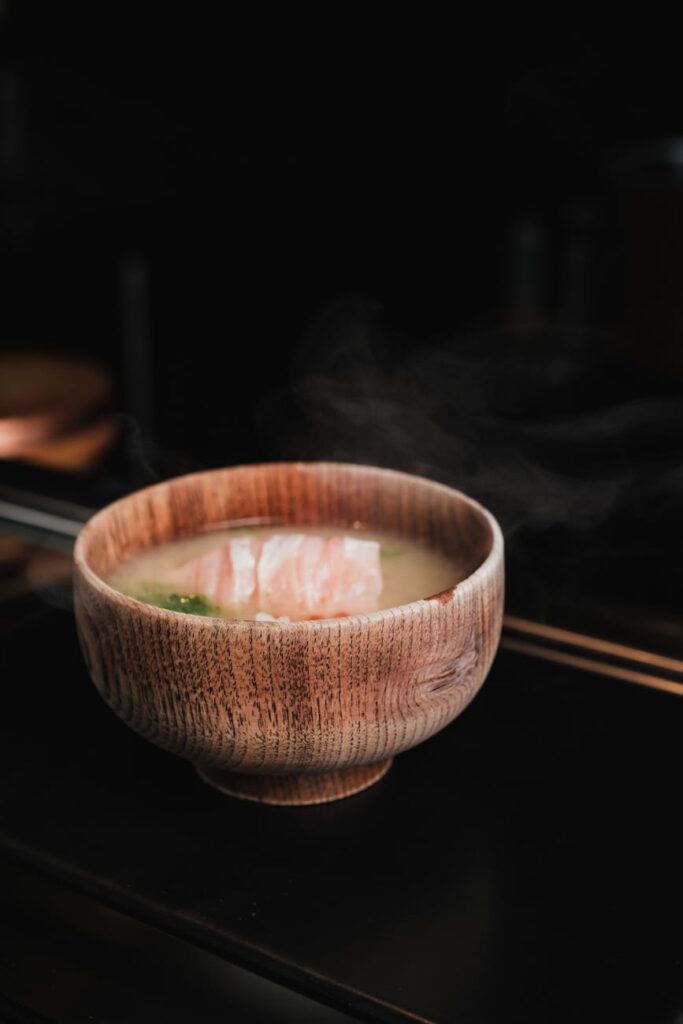
Miso Shiru Myths and Misconceptions
Introduction
Miso shiru, often referred to simply as miso soup, is a quintessential part of Japanese cuisine. Its umami-rich flavor and versatility make it a beloved dish not only in Japan but around the globe. Despite its popularity, miso shiru is often surrounded by various myths and misconceptions that can cloud its appreciation and understanding. This article seeks to clarify these misunderstandings and provide a comprehensive guide to miso shiru, exploring its history, production, uses, and more.
What Is Miso Shiru?
Miso shiru is a traditional Japanese soup made primarily from miso paste, which is fermented soybeans combined with salt and a mold called koji. The soup is commonly enhanced with dashi, a stock made from seaweed and bonito flakes, adding depth and complexity to the dish. Miso shiru is usually served as a side dish but can also be a meal in itself, depending on the ingredients added.
History and Origins
The origins of miso can be traced back over a millennium to China, where it was known as “jiang” and used as a condiment. Its introduction to Japan occurred during the Nara period (710-794 AD) when Buddhist monks adopted it for its nutritional benefits. By the Edo period (1603-1868), miso had evolved into a staple in Japanese households, leading to the widespread popularity of miso shiru.
Traditionally, miso shiru was served during meals to provide a nourishing complement to rice and vegetables. Its preparation methods have evolved, with regional variations emerging across Japan, influenced by local ingredients and preferences.
Production and Processing
The production of miso involves several stages: the selection of ingredients, fermentation, and aging. High-quality miso is composed of three primary ingredients: soybeans, koji (a fungus cultivated on grains), and salt. The process begins with soaking and steaming the soybeans, which are then mashed and mixed with koji and salt. This mixture is placed in a fermentation vessel and left to mature, allowing the enzymes from the koji to break down the soybeans, resulting in a flavorful paste.
Fermentation can last anywhere from a few months to several years, depending on the type of miso being produced. The longer the fermentation, the deeper the flavor profile and color, resulting in variations such as white (shiro), red (aka), and mixed (awase) miso.
Quality and Grading
When it comes to miso shiru, the quality of the miso used is paramount. Authentic, high-quality miso is typically made from organic soybeans and does not contain additives or preservatives. Consumers should look for miso labeled as “naturally fermented,” as this indicates a traditional production method.
Grading for miso is not standardized globally, but in Japan, miso can be categorized based on factors such as color, flavor, and fermentation duration. A good quality miso typically has a balanced flavor profile, with a pleasant aroma and smooth texture.
Buying Considerations
When purchasing miso for making shiru, several factors should be considered:
1. Type of Miso: Different types of miso impart distinct flavors. White miso is milder and sweeter, while red miso offers a stronger, saltier taste. Mixed miso provides a balance of both.
2. Source: Opt for miso from reputable brands or local producers that prioritize quality ingredients and traditional fermentation methods.
3. Storage Conditions: Check the packaging for storage recommendations. Miso should ideally be stored in a cool, dark place, and once opened, it should be refrigerated.
4. Additives: Avoid miso that contains artificial flavors, preservatives, or MSG. A pure product will yield the best flavor and health benefits.
Uses and Applications
Miso shiru is incredibly versatile and can be customized with various ingredients. While traditionally served with tofu, seaweed, and green onions, miso shiru can also accommodate seasonal vegetables, mushrooms, and even proteins like fish or meat.
Its applications extend beyond soup. Miso can be used as a marinade, salad dressing, or flavor enhancer in various dishes. The depth of flavor brought by miso elevates everyday meals, making it a valuable ingredient in both home and professional kitchens.
Storage and Shelf Life
Miso paste has a long shelf life due to its fermentation process, which inhibits the growth of harmful bacteria. When stored properly in the refrigerator, unopened miso can last for a year or more. Once opened, it can remain fresh for several months, though the flavor and quality may gradually decline over time.
To ensure longevity, keep miso in an airtight container to prevent exposure to air and moisture. It is important to always use clean utensils when scooping out miso to avoid contamination.
Common Misconceptions
Despite its rich history and culinary significance, several misconceptions about miso shiru persist:
1. Miso Shiru Is Unhealthy: Many believe that miso shiru is high in sodium and, therefore, unhealthy. While it is true that miso contains salt, it also offers numerous health benefits, including probiotics and essential nutrients. Moderation is key.
2. All Miso Is the Same: Another common misconception is that all miso is identical. In reality, the flavor, color, and nutritional profile can vary significantly based on the type of miso and the fermentation process.
3. Miso Shiru Is Only for Breakfast: While miso shiru is traditionally consumed during breakfast in Japan, it can be enjoyed at any meal, as a side dish or a main component.
4. Miso Contains MSG: Some consumers mistakenly believe that miso contains monosodium glutamate (MSG). While miso is naturally rich in umami flavors, it does not contain added MSG