
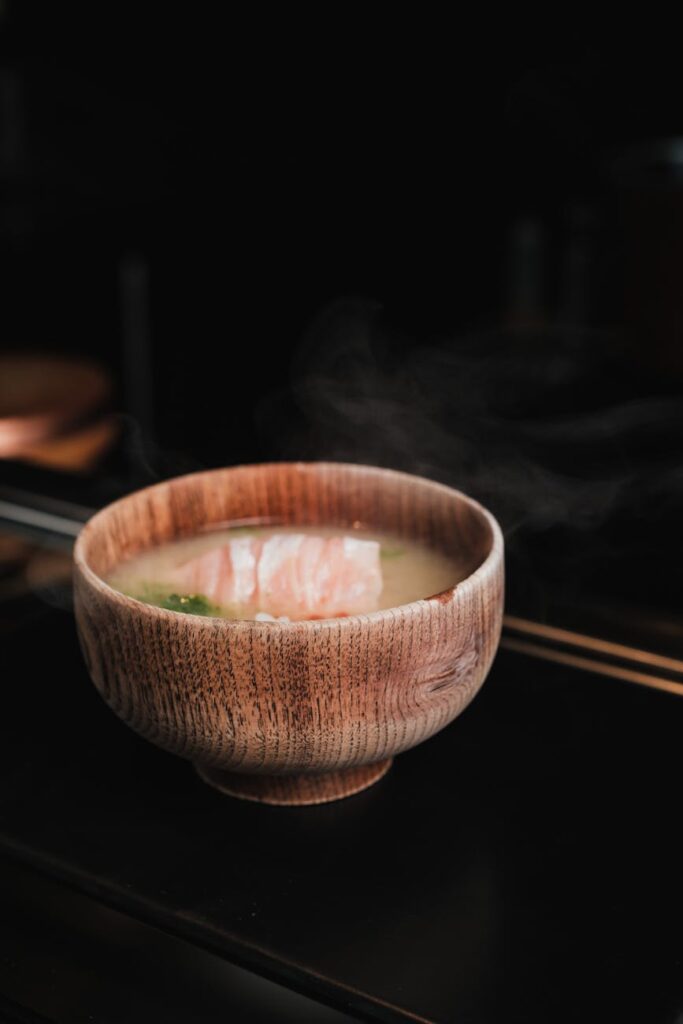
Miso Shiru: Origins and Evolution
Introduction
Miso shiru, or miso soup, is a quintessential element of Japanese cuisine, celebrated for its rich flavor and nutritional benefits. This traditional Japanese dish serves as a staple in many households, often enjoyed as part of breakfast or as an accompaniment to various meals. Its complex flavor profile, derived from fermented soybeans, represents a harmonious blend of umami and subtle sweetness, making it a beloved comfort food. In this article, we delve into the origins and evolution of miso shiru, exploring its historical context, production processes, quality considerations, and its role in contemporary culinary practices.
What Is Miso Shiru?
Miso shiru is primarily a soup made from miso, a fermented soybean paste, combined with dashi, a Japanese stock usually made from kelp (kombu) and dried bonito flakes (katsuobushi). The resulting broth is often enriched with various ingredients such as tofu, seaweed, and vegetables, creating a nutritious and flavorful dish. The term “miso” refers to the fermented paste, while “shiru” translates to “soup” in Japanese. The versatility of miso shiru allows for a range of variations, with regional and seasonal ingredients influencing its presentation and taste.
History and Origins
The roots of miso shiru can be traced back to ancient Japan, with some historical records suggesting its origins date as far back as the 7th century. Miso itself is believed to have been introduced to Japan from China, where similar fermented soybean products were already being produced. The Chinese word for miso, “jiang,” refers to a broad category of fermented pastes, indicating that the concept of fermenting soybeans was not unique to Japan.
By the Edo period (1603–1868), miso had evolved into a staple ingredient in Japanese kitchens, and its use in soup form became increasingly popular. Miso shiru became a fixture in the daily diet of many Japanese people, reflecting the agricultural practices, regional flavors, and cultural influences of the time. As Japan opened up to the West during the Meiji Restoration (1868–1912), miso shiru began to gain international recognition, paving the way for its inclusion in global culinary traditions.
Production and Processing
The production of miso shiru begins with the fermentation of soybeans, which are soaked, steamed, and then mixed with a fermentation starter known as koji, made from rice, barley, or soybeans. The fermentation process typically lasts from a few weeks to several years, yielding a variety of flavors and textures depending on the length of fermentation and the ingredients used.
Once the miso is prepared, dashi is crafted traditionally from kombu and katsuobushi. Kombu is soaked in water to extract its umami flavors, while katsuobushi is made by smoking and drying bonito fish. The dashi acts as the base for the soup, imparting a depth of flavor that complements the miso.
The final preparation involves dissolving the miso in the dashi, often with additional ingredients such as tofu, scallions, or seasonal vegetables. The combination of miso and dashi creates a harmonious balance of flavors, rich in umami.
Quality and Grading
The quality of miso shiru is heavily influenced by the quality of its primary ingredients: miso and dashi. Miso is graded based on factors such as its color, flavor, and aroma. Generally, miso can be categorized into three types: white (shiro), red (aka), and mixed (awase). Each type offers distinct flavor profiles, with white miso being sweeter and milder, while red miso has a more robust and salty flavor.
In Japan, miso is often produced by local artisans who adhere to traditional craftsmanship, resulting in a wide variety of regional specialties. When selecting miso for making miso shiru, it is advisable to choose high-quality, unpasteurized varieties to ensure maximum flavor and nutritional benefits.
Dashi quality is equally important; homemade dashi is preferred for its freshness and depth of flavor. However, commercially available dashi powders or stocks can also be used, keeping in mind their quality and ingredient composition.
Buying Considerations
When purchasing miso shiru or its components, several factors should be considered:
1. Type of Miso: Depending on personal taste preferences and the desired flavor profile, choose between white, red, or mixed miso. Each type brings unique characteristics to the soup.
2. Fermentation Process: Look for miso that is naturally fermented without additives or preservatives. Artisan-made miso often has a richer flavor due to traditional production methods.
3. Dashi Quality: Opt for high-quality dashi made from natural ingredients, or consider making your own for the best flavor. If using pre-packaged dashi, check the ingredient list for authenticity.
4. Freshness: Always check the expiration date and storage conditions of miso and dashi to ensure optimal freshness and flavor.
5. Dietary Restrictions: For those with dietary restrictions, such as gluten intolerance, consider gluten-free miso options made from rice or other non-gluten grains.
Uses and Applications
Miso shiru is not only enjoyed as a standalone dish but also serves multiple culinary applications. It can be:
- A Base for Other Dishes: Miso shiru can serve as a flavorful base for stews, sauces, and marinades, enhancing the umami profile of various recipes.
- A Versatile Ingredient: The inherent flavors of miso allow it to be incorporated into dressings, dips, and spreads, adding depth and complexity to a wide range of foods.
- A Nutritional Booster: Rich in probiotics, vitamins, and minerals, miso shiru is often consumed for its health