
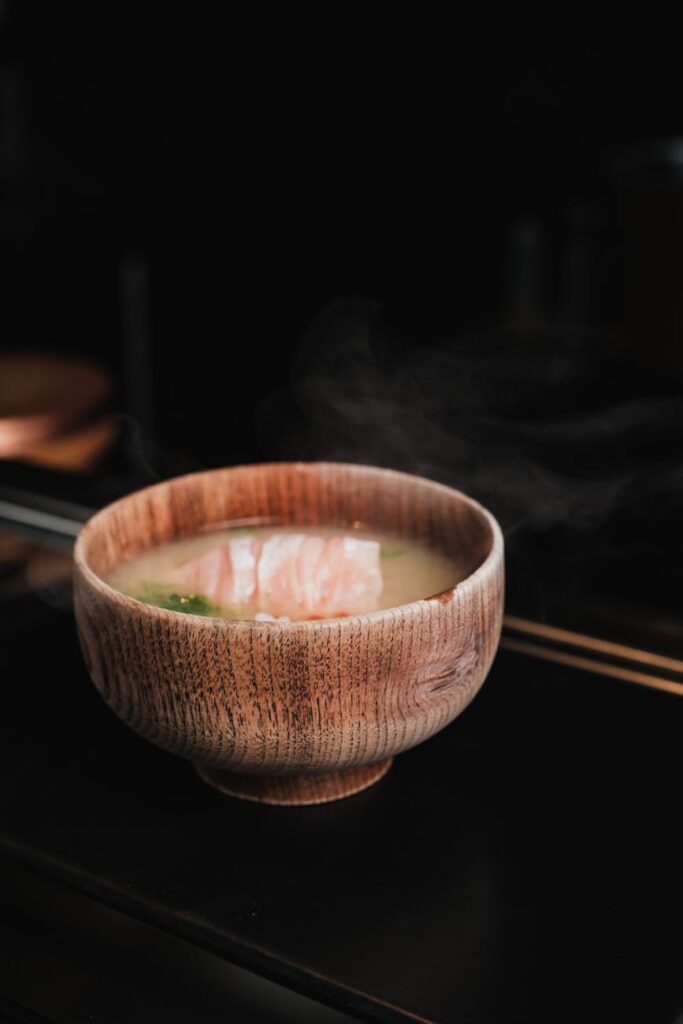
Miso Shiru Regions Guide Part 6
Introduction
Miso shiru, a traditional Japanese soup, is a staple in Japanese cuisine. While its core ingredients—miso paste, dashi, and various additions—are relatively uniform, the regional variations of miso shiru across Japan reflect the diverse agricultural produce, culinary traditions, and local tastes. This guide delves into the significance of regional differences in miso shiru, exploring its history, production methods, and the unique characteristics that define this beloved dish in various locales.
What Is Regions?
The term “regions” in the context of miso shiru refers to the geographical areas in Japan where specific types of miso and local ingredients influence the flavor profiles and preparation methods of the soup. Each region has developed its own culinary identity, often shaped by local climate conditions, available resources, and historical influences. Understanding these regional distinctions enhances appreciation for the art of miso shiru and celebrates Japan’s rich culinary landscape.
History and Origins
Miso shiru has its roots in Japan’s ancient culinary practices, dating back over a thousand years. The introduction of miso, a fermented soybean paste, is believed to have occurred during the Nara period (710-794 CE). Originally, miso was a luxury item, accessible mainly to the elite. However, as soy cultivation spread and fermentation techniques improved, miso became a staple for all classes.
Regional variations of miso shiru emerged as local ingredients influenced the soup’s composition. For instance, coastal regions leaned towards seafood-based dashi, while inland areas utilized more plant-based ingredients. These adaptations not only reflect regional agricultural practices but also highlight the evolving relationship between culture, geography, and cuisine.
Production and Processing
The production of miso shiru begins with the preparation of miso, which can be made from a variety of ingredients and fermentation processes. There are three primary types of miso: white (shiro), red (aka), and mixed (awase). Each type originates from different regions and is characterized by its unique flavor profile.
For example, in the Nagano region, a sweeter white miso is prevalent, while in the Aichi region, a saltier red miso takes center stage. The fermentation process can take from a few months to several years, depending on the desired flavor and texture.
Dashi, the broth that forms the base of miso shiru, is typically made using kombu (kelp) and bonito flakes, although variations exist. For instance, regions with abundant seafood may incorporate more fish, while vegetarian dashi is more common in areas with Buddhist influences.
Quality and Grading
The quality of miso shiru heavily depends on the ingredients used, particularly the miso and dashi. In Japan, miso is graded based on its color, aroma, texture, and taste. A higher grade usually indicates a more complex flavor profile and a longer fermentation period.
When choosing miso for shiru, consider the color and flavor intensity. Lighter misos are generally milder and sweeter, while darker misos provide a deeper, saltier taste. The quality of dashi also plays a crucial role; freshly prepared dashi made from high-quality kombu and bonito flakes will elevate the overall dish.
Buying Considerations
When searching for miso shiru ingredients, particularly miso paste and dashi, various factors should be taken into account:
1. Regional Authenticity: Seek miso from specific regions to capture the authentic flavors associated with that area. For instance, Nagoya-style miso is distinct from that of Kyoto.
2. Freshness: Miso has a long shelf life but is best consumed fresh. Look for products with recent production dates.
3. Organic and Natural Ingredients: Opt for miso that is organic and free from artificial preservatives for a more wholesome experience.
4. Local Availability: Specialty Asian grocery stores or online retailers are excellent sources for authentic miso and dashi ingredients, allowing you to explore various regional flavors.
Uses and Applications
Miso shiru serves as a versatile dish in Japanese cuisine, often enjoyed as a breakfast staple or a comforting side dish. Beyond its traditional role, miso shiru can also be employed in various culinary applications:
- Base for Other Soups: Miso shiru can serve as a flavorful base for other soup varieties, incorporating seasonal vegetables or proteins.
- Sauce or Marinade: The umami-rich flavor of miso shiru can be utilized in marinades for meats and fish, enhancing their taste and tenderness.
- Dipping Sauce: Thinner versions of miso shiru can be used as a dipping sauce for vegetables or seafood, adding depth and richness.
- Fusion Dishes: Modern culinary trends have embraced miso shiru in fusion dishes, where it combines with non-Japanese ingredients to create unique flavor profiles.
- Refrigeration: After opening, miso should be kept in the refrigerator, where it can last for several months to a year, depending on the type.
- Sealed Containers: Keep miso in airtight containers to prevent it from absorbing odors or moisture.
- Freezing: For long-term storage, miso can be frozen. Portion it into smaller amounts, so you can easily defrost what you need.
- All Miso Is the Same: Many people assume that all miso pastes are interchangeable. In
Storage and Shelf Life
Miso paste, when stored properly, has an extensive shelf life. Here are some storage tips:
Dashi, on the other hand, is best consumed fresh. If prepared in advance, it should be refrigerated and used within a few days, as its quality deteriorates quickly.
Common Misconceptions
Despite its popularity, miso shiru is often surrounded by misconceptions: