
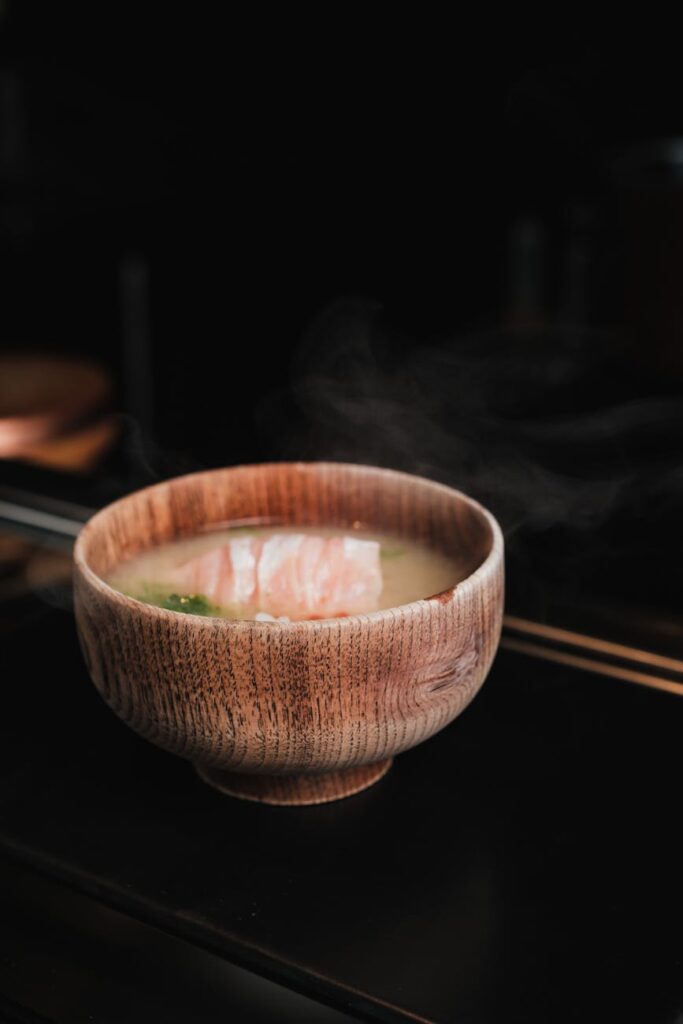
Miso Soup Around the World
Introduction
Miso soup, a staple of Japanese cuisine, has transcended its origins to become a beloved dish worldwide. This savory broth, rich in umami flavor, is traditionally made with miso paste, a fermented soybean product, and an array of ingredients that can include tofu, seaweed, and various vegetables. While it is often associated with Japan, the influence of miso soup has permeated global culinary traditions, adapting to local tastes and ingredients. This article delves into the various regions that celebrate miso soup, exploring its history, production, quality, and the misconceptions that surround it.
What Is Regions?
In the context of culinary ingredients, “regions” refers to the geographical areas where specific ingredients are produced, cultivated, or traditionally consumed. These regions greatly influence the characteristics of the food, including flavor profiles, preparation methods, and cultural significance. Miso soup, with its deep roots in Japanese culture, exhibits varying styles across different regions, each reflecting local ingredients and culinary traditions.
History and Origins
The origins of miso can be traced back over a thousand years to ancient China, where fermented soy products were first developed. The technique eventually made its way to Japan, where it evolved into the various forms of miso we know today. The first recorded mention of miso in Japan dates back to the 7th century, and by the Edo period (1603-1868), miso soup had become a common household dish.
In Japan, miso soup is more than just a meal; it reflects the agricultural practices and seasonal ingredients of its region. Different areas produce distinct types of miso, influencing the flavor and texture of the soup. For instance, red miso from the Nagoya region is known for its bold flavor, while white miso from Kyoto is sweeter and milder.
Production and Processing
Miso production involves several key steps: selection of ingredients, fermentation, and maturation. Traditionally, miso is made from three primary ingredients: soybeans, koji (a type of mold used for fermentation), and salt. The choice of soybeans, the type of koji, and the fermentation process significantly affect the final product.
Types of Miso
1. White Miso (Shiro Miso): Typically sweeter and lighter in color, white miso is made with a higher proportion of rice koji. It is often used in lighter soups and dressings.
2. Red Miso (Aka Miso): With a longer fermentation time, red miso has a stronger, saltier flavor. It is commonly used in heartier dishes and soups.
3. Mixed Miso (Awase Miso): A blend of white and red miso, it offers a balanced flavor profile and is versatile in cooking.
4. Barley Miso (Mugi Miso): Made with barley koji, this type has a distinct nutty flavor and is popular in some regions of Japan.
The fermentation process can take anywhere from a few weeks to several years, depending on the desired flavor intensity. During this time, the ingredients undergo complex biochemical changes that enhance their nutritional profile, making miso a source of protein, vitamins, and beneficial probiotics.
Quality and Grading
The quality of miso can vary widely, influenced by the ingredients used, the fermentation process, and the producer’s expertise. In Japan, miso is often graded based on color, flavor, and aroma. High-quality miso typically boasts a rich, complex flavor and a pleasant aroma, while lower-quality miso may taste overly salty or flat.
When selecting miso, consider looking for artisanal brands that emphasize traditional methods. Organic options are also available, which often reflect a commitment to sustainable farming practices. Additionally, some producers offer single-origin miso, highlighting the specific region’s unique characteristics.
Buying Considerations
When purchasing miso for making soup, several factors should be considered:
- Type of Miso: Choose based on the flavor profile you desire; lighter misos work well for delicate soups, while darker misos lend richness.
- Ingredient Source: Look for miso made with organic soybeans and koji, as these can offer better flavor and health benefits.
- Packaging: Miso is typically sold in tubs or vacuum-sealed packages. Ensure the packaging is intact and check the expiration date.
- Local vs. Imported: While authentic Japanese miso is widely available, many countries now produce high-quality miso. Local products may offer unique flavors and support regional agriculture.
- Allergens: Be aware that some miso may contain gluten or other allergens, particularly those made with barley or wheat.
- Dressings and Marinades: Miso can be blended with oils, vinegars, and other seasonings to create flavorful dressings or marinades for meats and vegetables.
- Sauces: Miso can be used to enhance sauces, adding depth and umami to dishes like stir-fries and grilled foods.
- Spreads: Mixed with butter or cream cheese, miso can create a rich spread for breads and crackers.
- Seasoning: Many chefs incorporate miso into stews, risottos, and even baked goods, exploring its potential beyond traditional Japanese cuisine.
- Refrigeration: Once opened, miso should be stored in the refrigerator, preferably in an airtight container to prevent it from absorbing odors.
- Shelf Life: Unopened miso can
Uses and Applications
Miso soup serves as a versatile base that can be adapted according to personal preferences or regional ingredients. Beyond traditional soup, miso finds its way into various culinary applications:
Storage and Shelf Life
Miso is a shelf-stable product, thanks to its fermentation process. However, to maintain its flavor and quality, proper storage is essential: