
Miso Soup FAQs Answered
Introduction
Miso soup is a quintessential dish in Japanese cuisine, beloved for its umami flavor and versatility. While it may seem simple, the nuances of miso soup are profound, rooted in cultural tradition and culinary expertise. This article aims to comprehensively answer frequently asked questions about miso soup, covering its history, production, quality, and more. Whether you are a culinary enthusiast or a curious novice, this guide will provide valuable insights into this iconic dish.
What Is Miso Soup?
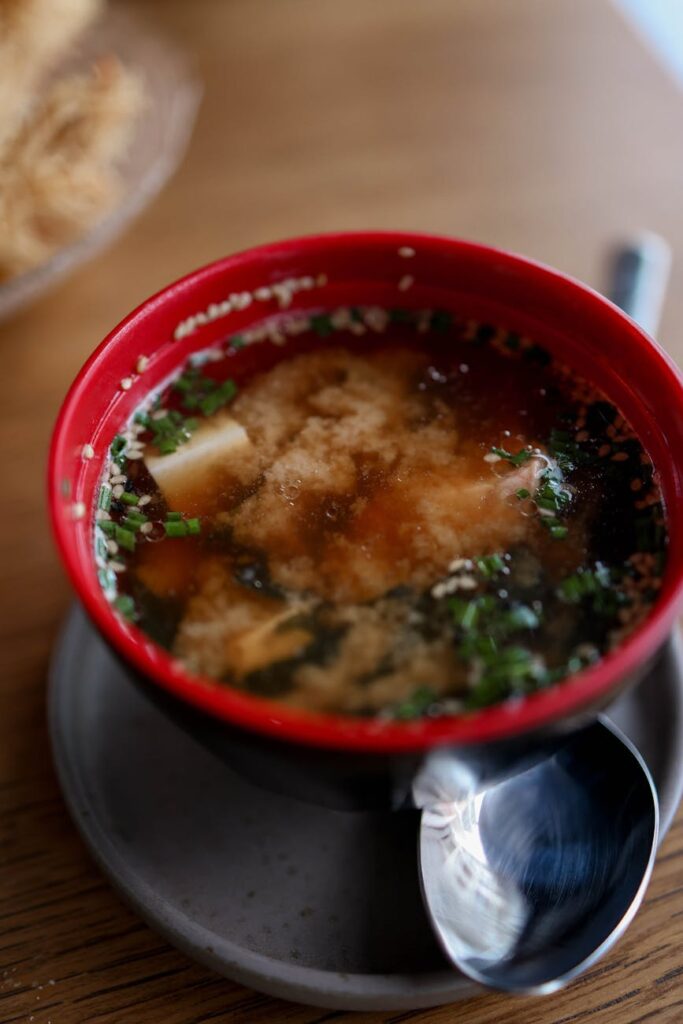
Miso soup is a traditional Japanese soup characterized by its base of miso paste, a fermented soybean product. Typically, the soup features a clear or slightly cloudy broth, which is enriched by the addition of dashi (a Japanese soup stock), and various ingredients such as tofu, seaweed, and vegetables. The flavor profile of miso soup can vary significantly depending on the type of miso used, which can range from sweet and mild to robust and savory.
History and Origins
The origins of miso soup can be traced back over a thousand years to ancient China, where fermented soybean products were first developed. Miso, as we know it today, emerged in Japan around the 7th century. Initially, it was a luxury item reserved for the aristocracy. Over time, the production and consumption of miso spread throughout Japan, becoming a staple in households across the country.
The soup itself became popular during the Edo period (1603-1868), when it was commonly consumed by the working class. It was during this time that various regional styles of miso soup emerged, each reflecting local ingredients and preferences. Today, miso soup is an integral part of Japanese cuisine and culture, often served as part of a traditional breakfast or as a side dish in multi-course meals.
Production and Processing
Miso paste is produced through a fermentation process involving soybeans, salt, and a specific mold known as koji (Aspergillus oryzae). The soybeans are cooked and then combined with koji and salt, and the mixture is left to ferment for varying periods, anywhere from a few months to several years. This fermentation process is crucial as it develops the complex flavors and aromas associated with miso.
The type of miso paste used in miso soup can vary, with the most common types being:
1. Shiro Miso (White Miso): Mild and slightly sweet, often made with a higher proportion of rice koji.
2. Aka Miso (Red Miso): Richer and saltier, typically fermented longer than white miso.
3. Awase Miso: A blend of white and red miso, offering a balanced flavor.
The choice of miso significantly influences the final taste of the soup, allowing for endless variations.
Quality and Grading
The quality of miso paste can vary widely depending on the production methods and ingredients used. High-quality miso is typically made with organic soybeans, natural salt, and no artificial additives. The flavor, aroma, and color of the miso are indicators of its quality.
In Japan, miso is often graded based on its fermentation process, taste, and color. Some artisanal producers may also undergo certifications for organic or traditional manufacturing methods. When selecting miso for soup, it is advisable to look for products that are minimally processed and free from preservatives to ensure the best flavor and health benefits.
Buying Considerations
When purchasing miso for soup, several factors should be considered:
1. Type of Miso: As previously mentioned, different types of miso will yield different flavors. Consider the type of dish you are preparing and choose accordingly.
2. Origin: Japanese miso is often regarded as being of higher quality due to traditional production methods, although other countries also produce high-quality miso.
3. Storage Conditions: Ensure that the miso is stored properly, as exposure to light and air can degrade its quality. It is usually sold refrigerated or in vacuum-sealed packages.
4. Ingredients: Always check the label for the ingredients list. High-quality miso should primarily contain soybeans, koji, and salt, without unnecessary additives.
5. Local Producers: If possible, support local producers who may offer unique regional varieties, enhancing your culinary experience.
Uses and Applications
While miso soup is the most well-known application of miso, its uses extend far beyond this classic dish. Miso can be incorporated into salad dressings, marinades, glazes, and even baked goods. Its versatility allows chefs to experiment with flavors in a myriad of dishes. For instance, miso can enhance the richness of a sauce, add depth to roasted vegetables, or serve as a base for gravies and soups.
In addition to its culinary uses, miso is often celebrated for its potential nutritional benefits, including being a source of probiotics, vitamins, and minerals. However, it is essential to remember that the benefits can vary based on the fermentation process and ingredients used.
Storage and Shelf Life
Miso paste is relatively shelf-stable due to its fermentation process. However, proper storage is crucial for maintaining its quality. Miso should be kept in an airtight container in a cool, dark place, such as a refrigerator. When stored properly, miso can last for several months, if not longer.
Once opened, it is advisable to consume miso within a few months to fully enjoy its flavor and nutritional benefits. Always check for any off-smells or changes in color, as these can indicate spoilage.
Common Misconceptions
There are several common misconceptions surrounding miso soup that merit clarification:
1. Miso Soup Is Always Clear: While traditional miso soup can be clear, variations exist that include additional ingredients like vegetables and tofu, which can cloud the broth.
2. Miso Is Only Used in Soup: Miso is a versatile ingredient that can enhance a wide range of dishes, from dressings to marinades.
3. All Miso Is the Same: The flavor and quality of miso can vary significantly depending on its type and production methods. Understanding these variations can elevate culinary experiences.
4. Miso Soup Is Unhealthy: While miso soup can be high in sodium, it can also be part of a balanced diet when consumed in moderation and paired with nutrient-dense ingredients.
Frequently Asked Questions
1. Is miso soup gluten-free?
Most traditional miso pastes are gluten-free; however, some varieties may contain barley or other gluten-containing grains. Always check the label if you have gluten sensitivities.
2. Can I eat miso soup if I’m lactose intolerant?
Yes, miso soup is dairy-free, making it a suitable option for those with lactose intolerance. The creaminess often attributed to soups can be achieved through the addition of tofu or other non-dairy ingredients.
3. How often should I consume miso soup?
Miso soup can be enjoyed daily as part of a balanced diet. However, due to its sodium content, moderation is key, particularly for those monitoring their salt intake.
4. Can I freeze miso paste?
Freezing miso paste is possible, but it may alter its texture and flavor. It is best to store miso in the refrigerator for optimal quality.
5. What is dashi, and why is it used in miso soup?
Dashi is a Japanese soup stock made from ingredients such as kelp and bonito flakes. It serves as the base for miso soup, enhancing its umami flavor.
6. How can I customize my miso soup?
Customization is one of the joys of miso soup. You can add various ingredients such as seasonal vegetables, proteins like tofu or fish, and even different types of miso to create a unique flavor profile that suits your palate.
Conclusion
Miso soup is more than just a comforting dish; it is a fusion of history, culture, and culinary art. By understanding its origins, production processes, and potential applications, one can appreciate its role in Japanese cuisine and beyond. Whether enjoyed in its traditional form or as part of innovative dishes, miso soup continues to captivate and nourish people around the world.