
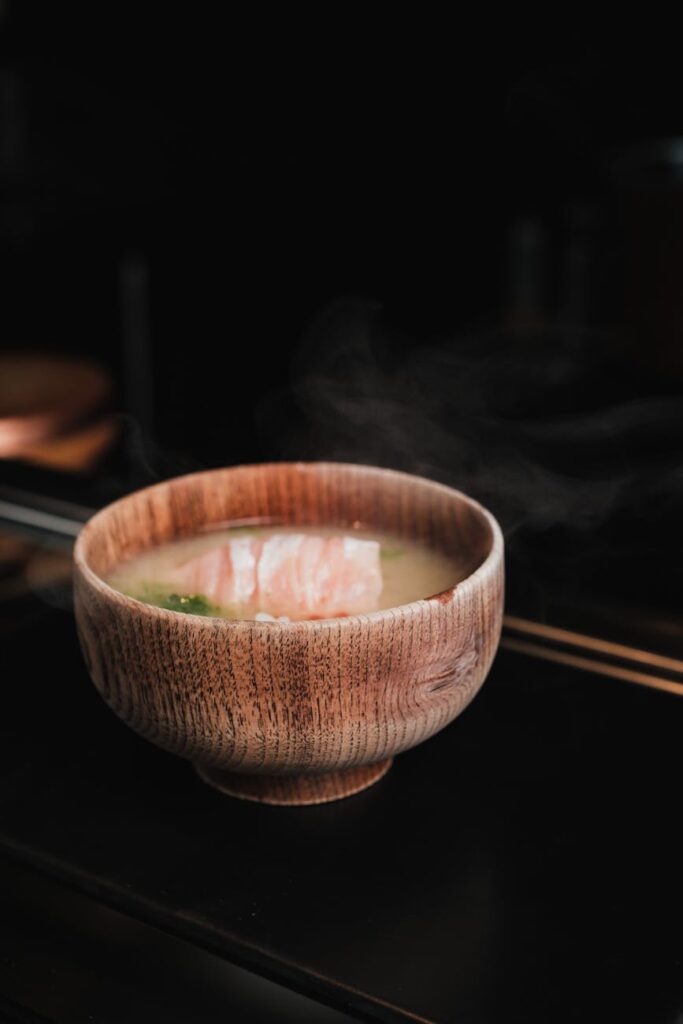
Miso Soup: Origins and Evolution
Introduction
Miso soup is a quintessential dish in Japanese cuisine, renowned for its umami-rich flavor and versatile nature. This warming broth, often enjoyed as part of a traditional Japanese breakfast, encapsulates the essence of Japanese culinary culture while also appealing to global palates. In this article, we delve into the origins, evolution, and various aspects of miso soup, exploring its significance beyond mere sustenance.
What Is Miso Soup?
Miso soup is primarily a savory broth made from dashi (a Japanese stock) and miso paste, which is the key ingredient derived from fermented soybeans. The soup typically includes various ingredients such as tofu, seaweed, and green onions, giving it a distinct texture and flavor profile. Miso, the cornerstone of this dish, comes in several varieties, each contributing unique taste notes and nutritional benefits.
History and Origins
The roots of miso soup can be traced back to ancient Japan, where it is believed to have originated over a thousand years ago. The earliest forms of miso can be linked to the introduction of soybeans to Japan from China during the 7th century. Initially, miso was consumed in its simplest form, akin to a paste, and gradually evolved into the more complex soup we recognize today.
The first documented mention of miso soup appeared in historical texts during the Heian period (794-1185). It was during the Kamakura period (1185-1333) that miso began to be used as a base for soups and stews, becoming an integral part of the Japanese diet. The popularity of miso soup surged during the Edo period (1603-1868), coinciding with the rise of urban centers and the development of a more diverse culinary landscape.
Production and Processing
The production of miso is a meticulous process that involves several stages. Ingredients typically include soybeans, koji (a type of mold), and salt. The fermentation process can take anywhere from a few months to several years, depending on the desired flavor profile and type of miso being produced.
1. Preparation of Soybeans: The soybeans are soaked in water and cooked until soft. This is the foundational step that contributes to the texture of the final product.
2. Inoculation with Koji: After cooking, the soybeans are cooled and mixed with koji, which contains the spores of the Aspergillus oryzae mold. This mold initiates fermentation by breaking down the starches and proteins in the soybeans.
3. Fermentation: The mixture is then placed in containers and left to ferment under controlled conditions. During this period, the flavors develop and intensify. The fermentation process may be influenced by environmental factors such as temperature and humidity.
4. Aging: Once fermentation is complete, the miso is aged further to enhance its flavors. The aging process can vary significantly, leading to different types of miso ranging from mild and sweet to strong and salty.
5. Packaging: After aging, the miso is packaged for distribution, often in airtight containers to preserve its flavor and quality.
Quality and Grading
The quality of miso can be assessed based on several factors including flavor, aroma, texture, and color. Common types of miso include:
- White Miso (Shiro Miso): Made from a higher ratio of rice koji, it is sweeter and milder. It typically has a pale yellow to cream color.
- Red Miso (Aka Miso): Fermented longer, resulting in a deeper, more robust flavor and a dark red or brown color. It is saltier compared to white miso.
- Mixed Miso (Awase Miso): A blend of both white and red miso, combining the characteristics of both types.
- Sauces and Dressings: Miso can be blended with ingredients like vinegar and sesame oil to create flavorful dressings for salads or marinades.
- Glazes and Spreads: Miso can be used as a glaze for grilled meats and vegetables, imparting a rich umami flavor.
- Stir-Fries: Incorporating miso into stir-fried dishes can enhance the overall flavor profile and add depth.
- Dips: Miso can be mixed with yogurt or sour cream to create savory dips for vegetables or crackers.
High-quality miso should have a balanced flavor profile, with a pleasant aroma and a smooth texture. Grading systems may not be universally standardized, but reputable producers often adhere to rigorous quality control measures to ensure consistency.
Buying Considerations
When purchasing miso for soup, several factors should be considered:
1. Type of Miso: Choose the type of miso based on your flavor preference. White miso is ideal for lighter, sweeter soups, while red miso is better for heartier, more robust dishes.
2. Ingredients: Always check the ingredient list. Authentic miso should contain minimal additives, primarily soybeans, koji, and salt.
3. Packaging: Opt for miso that is stored in airtight containers to maintain freshness. Glass jars or vacuum-sealed packages are preferable.
4. Origin: Traditional Japanese miso often offers a more authentic flavor. Look for products labeled with specific regional origins, as they may possess distinct characteristics.
5. Local Availability: Miso is increasingly available in international markets and specialty food stores. Familiarize yourself with local options to explore different varieties.
Uses and Applications
Miso soup serves as a versatile culinary foundation, extending beyond its traditional preparation. While it is primarily recognized as a soup, miso can be incorporated into various dishes:
Miso’s adaptability allows chefs and home cooks alike to experiment with its flavor, making it a valuable addition to both traditional and contemporary recipes