
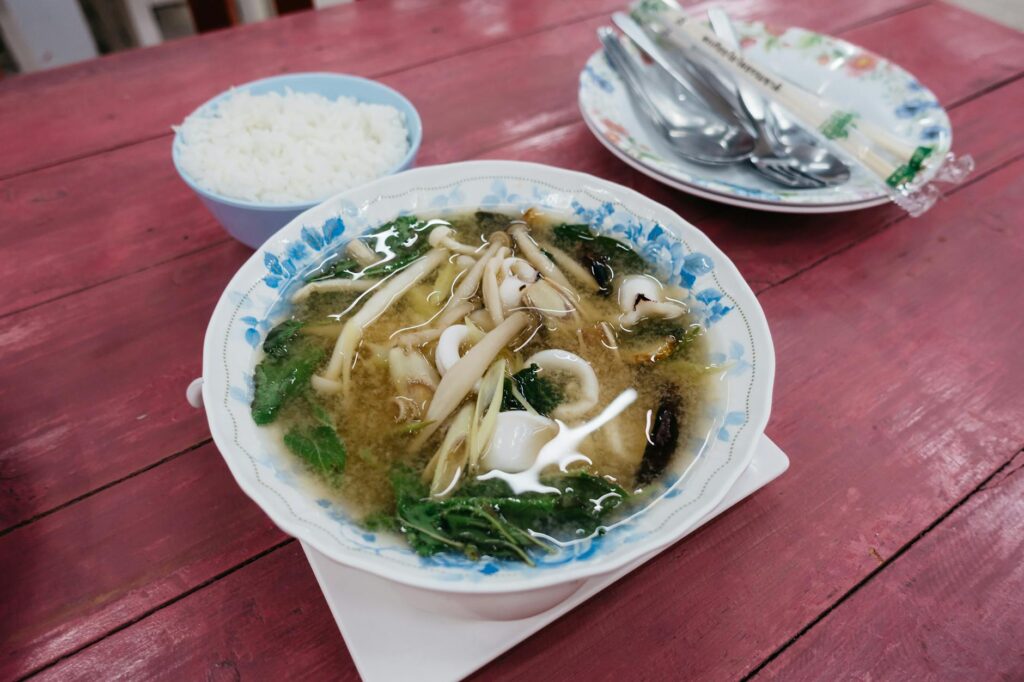
Miso Soup Production by Country
Introduction
Miso soup, a staple of Japanese cuisine, is renowned for its umami flavor and nutritional benefits. At its core, miso soup is a simple yet versatile dish primarily made from miso paste, which is fermented soybeans, and dashi, a type of broth. While it is most commonly associated with Japan, the production of miso and its applications have transcended borders, becoming an integral part of various Asian culinary traditions. This article delves into the production of miso soup across different countries, unveiling the regional intricacies that shape its unique characteristics.
What Is Regions?
When discussing “regions” in the context of miso soup, we refer to the geographical areas where miso is produced and consumed, each with its own distinct methods, flavors, and cultural significance. The diversity of miso production is influenced by local climate, soil conditions, and traditional practices, resulting in a rich tapestry of flavors that vary not only from country to country but also within regions of the same country.
History and Origins
The origins of miso can be traced back over 1,300 years to ancient China, where it was known as “jiang.” This fermented soy product made its way to Japan by the 7th century, evolving into what we now recognize as miso. By the Edo period (1603–1868), miso had become a fundamental ingredient in Japanese cooking. Various regions in Japan began to develop their own types of miso, each characterized by local ingredients and fermentation techniques.
In Japan, the primary types of miso include:
- Shiro Miso (White Miso): This sweeter, lighter miso is often produced in the Kyoto region and is made with a higher proportion of rice or barley to soybeans.
- Aka Miso (Red Miso): Richer and saltier, red miso is typically aged longer and is favored in regions such as Nagoya and Tōhoku.
- Awase Miso: A blend of white and red miso that offers a balanced flavor, commonly used in households across Japan.
- Japan: Miso production is often a family affair, with artisanal makers focusing on quality ingredients and traditional methods. The climate in Japan allows for a variety of fermentation conditions, leading to diverse flavors.
- Korea: In Korea, doenjang, a fermented soybean paste, is made similarly to miso but often employs a different fermentation process and additional ingredients like chili pepper.
- China: Chinese doubanjiang is produced with a focus on spiciness, often incorporating fermented broad beans, leading to a different flavor profile compared to Japanese miso.
- Color: The color of miso ranges from white to red. Generally, lighter misos are sweeter and milder, while darker misos are richer and more complex.
- Aroma: A high-quality miso should have a pleasant, nutty aroma, indicative of proper fermentation.
- Taste: The final flavor should reflect a balance of sweetness, saltiness, and umami.
- Soups and Broths: The most common use, where miso is dissolved in dashi to create a flavorful base.
- Marinades: Miso can enhance meats, fish, and vegetables when used in marinades, adding depth and richness.
- Salad Dressings: Whisking miso into dressings adds a unique umami flavor, complementing salads and roasted vegetables.
- Dips and Spreads: Mixed with ingredients like tahini or yogurt, miso can be transformed into savory dips.
- Baked Goods: Some innovative bakers incorporate miso into cookies and breads for a surprising flavor twist.
- Refrigeration: Once opened, miso should be stored in the refrigerator to slow down fermentation and prevent spoilage.
- Container: Transfer miso to an airtight container if it comes in a non-resealable package. This prevents exposure to air, which can lead to oxidation and spoilage.
- Shelf Life: Unopened miso can last for a year or longer, while opened miso is best used within six months to a year for optimal flavor. Always check for signs of spoilage, such as off-odors or mold.
- Miso is Only for Soup: While miso soup is iconic, miso is a versatile ingredient that can be used in numerous dishes, from dressings to marinades.
- All Miso is the Same: Different types of miso vary greatly in flavor, color, and usage. Choosing the right type is crucial for achieving the desired taste in a dish.
- Miso is Unhealthy: Miso is a fermented product that offers nutritional benefits, including probiotics. However, like any ingredient, moderation is key, especially due to its sodium content.
As miso gained popularity, it spread to other Asian countries, particularly Korea and China, where similar fermented soybean products emerged, such as doenjang in Korea and doubanjiang in China.
Production and Processing
The production of miso varies by region, influenced by local practices, climate, and available ingredients. The basic steps in miso production include:
1. Preparation of Soybeans: The soybeans are soaked in water, then boiled until soft. This step is crucial as it affects the fermentation process.
2. Koji Cultivation: Koji, a fermentation starter made from rice, barley, or soybeans inoculated with Aspergillus oryzae mold, is mixed with the prepared soybeans. The choice of koji influences the flavor and color of the final product.
3. Fermentation: The mixture is placed in fermentation vessels and allowed to ferment for several months to several years. The duration and conditions of fermentation vary widely depending on regional traditions and desired flavor profiles.
4. Miso Paste Production: Once fermentation is complete, the mixture is ground into a paste. It may be seasoned further with salt or other ingredients before packaging.
Countries like Japan, Korea, and China have distinct methods and traditions surrounding miso production:
Quality and Grading
Quality and grading of miso are vital for ensuring superior flavor and safety. Various factors affect the quality of miso, including the ingredients used, fermentation time, and storage conditions. In Japan, miso is often graded based on its color, aroma, and taste.
Some countries have adopted standardized grading systems, while others rely on traditional practices and consumer preferences. Understanding these quality indicators can help consumers make informed choices when purchasing miso.
Buying Considerations
When purchasing miso, several factors should be considered:
1. Type of Miso: Choose a type according to the desired flavor profile. For instance, white miso is ideal for lighter soups and dressings, while red miso suits heartier dishes.
2. Ingredient Source: Opt for organic or locally sourced miso when possible. High-quality soybeans and koji can significantly affect the flavor and nutritional value.
3. Fermentation Time: Miso that has been aged longer typically has a more complex flavor. Check labels for information on the fermentation period.
4. Packaging: Miso should be stored in airtight containers to preserve freshness. Inspect packaging for any signs of damage or contamination.
5. Allergens: Be mindful of allergens, especially if you have dietary restrictions. Some miso products may contain wheat or other ingredients that could trigger sensitivities.
Uses and Applications
Miso soup is just the tip of the iceberg when it comes to the applications of miso. Its versatility extends to various culinary uses, including:
The adaptability of miso allows chefs and home cooks to experiment, ensuring its continued relevance in modern cuisine.
Storage and Shelf Life
Proper storage is essential for maintaining the quality of miso. Here are some guidelines:
Common Misconceptions
Despite its popularity, several misconceptions about miso and miso soup persist:
Frequently Asked Questions
1. What is the difference between miso and soy sauce?
Miso is a fermented paste made from soybeans, while soy sauce is a liquid condiment made from fermented soybeans and wheat. They have distinct flavors and uses in cooking.
2. Can miso soup be made vegan?
Yes, miso soup can be made vegan by using vegetable-based dashi instead of fish-based dashi.
3. Is miso gluten-free?
Some types of miso, especially those made with barley, may contain gluten. Always check labels for gluten-free certification.
4. How do I know if miso has gone bad?
Signs of spoilage include off-odors, changes in color, or visible mold. If in doubt, it’s best to discard it.
5. Can I freeze miso?
While freezing miso is possible, it may alter its texture. It’s best to store it in the refrigerator for optimal flavor.
6. What is the best way to dissolve miso in soup?
To avoid clumping, dissolve miso in a small amount of warm dashi or water before adding it to the soup pot.
Miso soup is more than just a comforting dish; it embodies a rich history and cultural significance across various regions. Understanding its production methods, quality indicators, and diverse applications can deepen one’s appreciation for this culinary staple. Whether enjoyed in its traditional form or innovatively adapted in various cuisines, miso remains a testament to the art of fermented foods.