
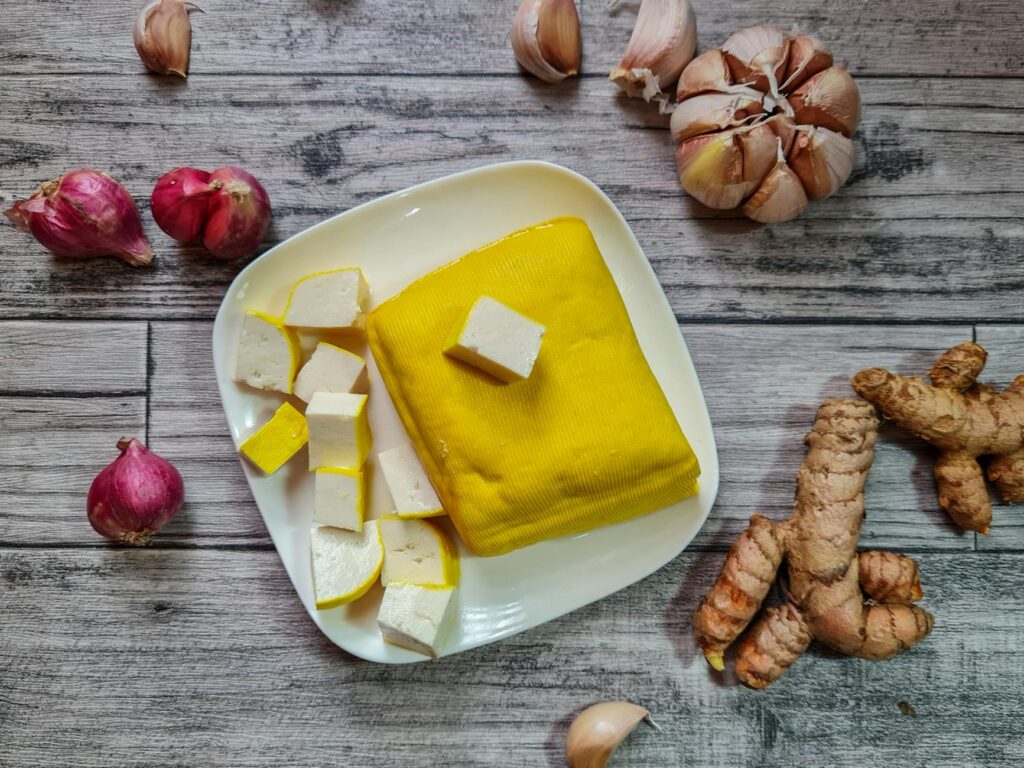
Miso Tofu Myths and Misconceptions
Introduction
Miso tofu, a delightful fusion of two iconic Japanese ingredients—miso and tofu—has gained global popularity for its unique flavor profile and versatility. As more people explore this ingredient, myths and misconceptions abound, often obscuring the truth about its production, uses, and health benefits. This article aims to demystify miso tofu, shedding light on its origins, production methods, and the truths behind common misunderstandings.
What Is Miso Tofu?
Miso tofu is a culinary ingredient that combines miso, a fermented soybean paste, with tofu, a soy-based protein. Miso itself comes in various types, each offering distinct flavors and textures, while tofu serves as a versatile base that absorbs the characteristics of the miso with which it is paired. The resulting product is rich in umami, the savory taste that is a hallmark of many Asian cuisines.
Miso tofu can be found in various forms, including blocks, crumbles, or in prepared dishes, making it a popular choice for both home cooks and professional chefs.
History and Origins
The origins of miso date back over a thousand years to ancient China, where it was created as a preservative and flavor enhancer. It made its way to Japan, where it was embraced and became an integral part of Japanese cuisine. Tofu, on the other hand, also has its roots in ancient China and was introduced to Japan around the 7th century.
The combination of miso and tofu likely emerged in Japan as both ingredients became widely available and appreciated. Miso tofu began appearing in various regional dishes, often served in soups, salads, or as a protein-rich component in vegetarian and vegan meals.
Production and Processing
The production of miso tofu involves several key steps. First, the miso is produced by fermenting cooked soybeans with salt and a specific type of mold known as koji. This fermentation process can take anywhere from a few weeks to several years, depending on the desired flavor intensity.
Tofu production begins with soaking soybeans, grinding them with water, and boiling the mixture. The resulting soy milk is then coagulated with a coagulant, typically magnesium chloride or calcium sulfate, leading to the formation of curds. These curds are pressed into blocks, resulting in the firm or silken tofu varieties that are commonly used.
Miso tofu is created by marinating or blending tofu with miso paste. The process can vary, with some manufacturers opting for a direct mixing method while others might ferment the tofu with miso for a more complex flavor profile.
Quality and Grading
The quality of miso tofu can vary significantly based on the ingredients used and the production methods employed. Key factors to consider when assessing quality include:
1. Miso Type: The flavor and complexity of the miso will greatly influence the overall taste of the tofu. Common types include white, yellow, and red miso, each varying in sweetness, saltiness, and fermentation depth.
2. Tofu Quality: Freshness and texture are crucial. High-quality tofu should be firm yet not overly dry. Silken tofu, while softer, should still have a smooth consistency.
3. Ingredient Purity: Look for miso tofu that uses organic or non-GMO soybeans. Avoid products with artificial preservatives or additives, as these can detract from flavor and quality.
4. Local vs. Imported: Locally made miso tofu may offer fresher ingredients and unique regional flavors, while imported products might showcase traditional Japanese methods.
Buying Considerations
When purchasing miso tofu, consider the following factors to ensure you’re selecting a quality product:
- Ingredient List: Always check the label for the types of miso and tofu used. A shorter ingredient list typically indicates fewer preservatives and a more authentic product.
- Packaging: Opt for products in opaque packaging to protect against light exposure, which can degrade quality.
- Texture Preference: Choose between firm and silken tofu based on your intended use. Firm tofu holds its shape well in stir-fries, while silken tofu is ideal for soups and dressings.
- Taste Profile: Experiment with different types of miso to find your preferred flavor. White miso tends to be sweeter, while red miso offers a deeper, saltier profile.
- Soups and Stews: Miso tofu can be added to soups for a protein boost and umami flavor.
- Salads: Crumbled miso tofu makes an excellent topping for salads, adding texture and taste.
- Stir-Fries: Firm miso tofu can be sautéed with vegetables and sauces for a hearty dish.
- Marinades and Dressings: Blending miso tofu into dressings or marinades can elevate the flavor profile of various dishes.
- Dips and Spreads: Miso tofu can be pureed into dips or spreads, making it a nutritious option for snacks.
- Refrigeration: Unopened miso tofu should be stored in a cool, dry place, while once opened, it must be refrigerated. Typically, it can last about 1-2 weeks in the fridge.
- Freezing: Miso tofu can be frozen for longer preservation, though this may alter its texture. Thawing and pressing can help restore some firmness.
- Check Expiration: Always check the expiration date and use by that date for the best quality.
Uses and Applications
Miso tofu is incredibly versatile and can be used in a variety of culinary applications:
Storage and Shelf Life
Proper storage is essential to maintain the quality of miso tofu:
Common Misconceptions
Miso Tofu Is Unhealthy
A common myth is that miso tofu is unhealthy. In reality, it offers numerous nutritional