
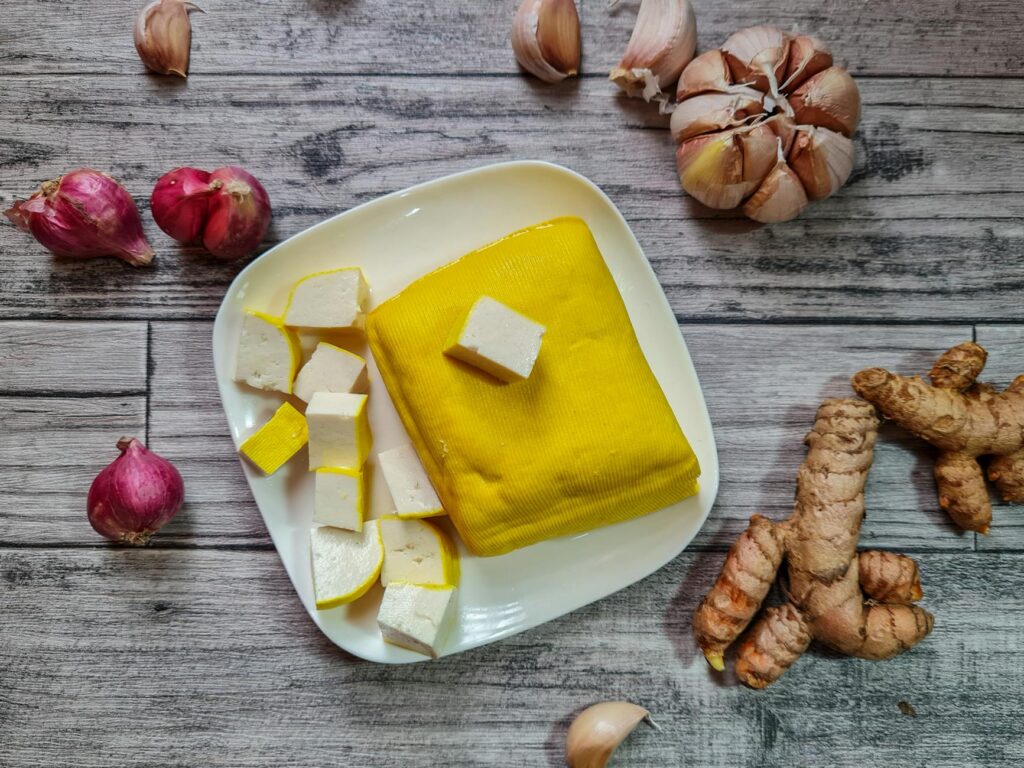
Miso Tofu Skin FAQs Answered
Introduction
Miso tofu skin, often referred to as “yuba” or “tofu skin,” is a unique ingredient that has garnered attention in culinary circles around the world. This versatile product, derived from soybeans, offers a rich umami flavor profile and a delicate texture, making it a popular choice in various dishes. This article aims to explore the intricacies of miso tofu skin, addressing common queries, elucidating its history, production, and uses, while also debunking prevalent misconceptions.
What Is Miso Tofu Skin?
Miso tofu skin is a byproduct of the tofu-making process, specifically from the soy milk used to create tofu. When soy milk is heated, a thin film forms on its surface, which is then collected and dried to produce yuba. This ingredient can take on various forms—fresh, dried, or frozen—each with distinct textures and applications in cooking. The term “miso” refers to the fermented soybean paste that is often paired with yuba in various dishes, particularly in Japanese cuisine.
History and Origins
The origins of miso tofu skin can be traced back to ancient China, where tofu was first developed over 2,000 years ago. The process of making tofu is believed to have spread to Japan around the 8th century, bringing with it the practice of harvesting yuba. Initially, yuba was a delicacy enjoyed by the nobility, but over time it became accessible to the general population. The Japanese have since developed various methods to incorporate yuba into their culinary traditions, often pairing it with miso to enhance its flavor profile.
Production and Processing
The production of miso tofu skin involves several key steps:
1. Soybean Selection: High-quality soybeans are selected for their protein content and flavor.
2. Soy Milk Extraction: The soybeans are soaked, ground, and boiled to extract soy milk, which is then filtered to remove solid residues.
3. Yuba Formation: As the soy milk heats, a thin layer forms on the surface. This layer is carefully skimmed off, either as fresh yuba or allowed to dry to produce dried yuba.
4. Drying and Storage: The collected yuba is dried to enhance its shelf life and preserve its flavor. It can be packaged and stored for future use.
Different regions utilize varying methods for producing yuba, which can result in slight differences in texture and flavor. Fresh yuba tends to be more delicate and creamy, while dried yuba has a firmer texture, making it suitable for different culinary applications.
Quality and Grading
When evaluating the quality of miso tofu skin, several factors should be considered:
- Texture: High-quality yuba should be smooth and pliable, with a subtle sheen. Dried varieties should be rigid but not brittle.
- Color: Fresh yuba typically has a light yellowish hue, while dried yuba ranges from pale to deep yellow. Avoid any that appear discolored or have an off-putting smell.
- Ingredient Purity: The best yuba is made from pure soybeans and does not contain additives or preservatives.
- Source: Ethically sourced and sustainably produced soybeans contribute to the overall quality of the final product.
- Type: Determine whether you need fresh, dried, or frozen yuba based on your intended use.
- Brand Reputation: Opt for products from reputable brands known for their commitment to quality and sustainable practices.
- Packaging: Look for well-sealed packaging that protects the product from moisture and light, which can degrade quality.
- Expiration Date: Always check the expiration date to ensure freshness, especially when buying dried varieties.
- Cost: While price is often an indicator of quality, it’s essential to balance cost with the reputation of the brand.
- Soups and Stews: Yuba can be added to miso soup or hearty stews, where it absorbs flavors while maintaining its texture.
- Stir-Fries: Fresh or rehydrated dried yuba can enhance stir-fried dishes, providing a satisfying chewiness.
- Salads: Thinly sliced yuba can serve as a protein-rich component in salads, adding texture and flavor.
- Wraps: Fresh yuba can be used as a wrap for various fillings, offering a unique alternative to traditional wraps.
- Fresh Yuba: Typically, fresh yuba can be stored in the refrigerator for up to a week. It should be consumed quickly for the best flavor and texture.
- Dried Yuba: Dried yuba has a longer shelf life, often lasting for several months when stored in a cool, dark place. Once opened, it should be kept in an airtight container to prevent moisture absorption.
- Frozen Yuba: Frozen yuba can last for several months but is best used within three months for optimal flavor.
Grading systems may vary by region, but generally, higher grades are awarded to products that exhibit superior taste and texture.
Buying Considerations
When purchasing miso tofu skin, several factors should be taken into account:
Uses and Applications
Miso tofu skin is incredibly versatile and can be used in various culinary applications:
The ingredient’s adaptability allows it to be incorporated into both traditional and modern dishes, catering to diverse palates and dietary preferences.
Storage and Shelf Life
The storage and shelf life of miso tofu skin vary depending on its form:
Always check for signs of spoilage, such as off-smells or discoloration, before consuming any type of yuba.
Common Misconceptions
There are several misconceptions surrounding miso tofu skin that deserve clarification:
1. Yuba and Tofu Are the Same: While yuba is a byproduct of tofu