
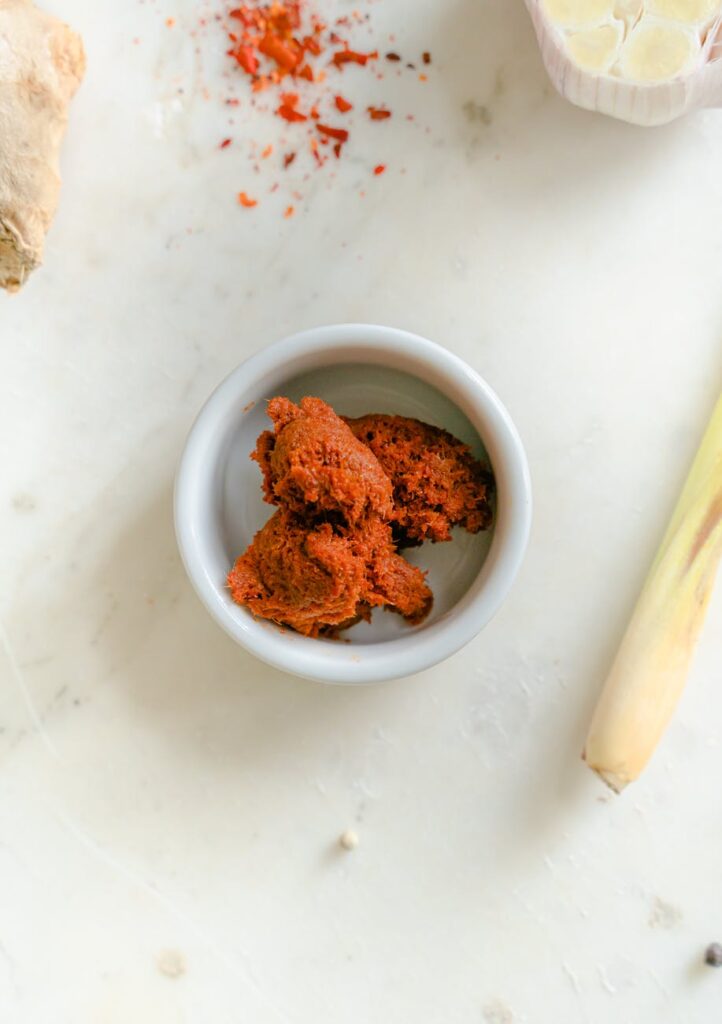
Miso: Uses Guide Part 6
Introduction
Miso, a traditional Japanese fermented soybean paste, has gained recognition well beyond its cultural roots, establishing itself as a versatile ingredient in global cuisine. Its unique umami flavor, coupled with its nutritional benefits, has inspired culinary innovation across various culinary traditions. This article delves into the multifaceted uses of miso, exploring its historical context, production methods, quality indicators, and practical applications in modern cooking.
What Are Uses?
The term “uses” in the context of food ingredients refers to the various applications and culinary techniques that can incorporate a specific ingredient. For miso, these uses extend beyond mere flavoring; they encompass its role as a seasoning, marinade, and base for soups and sauces, among others. Understanding the diverse applications of miso enables chefs and home cooks to harness its full potential in both traditional and contemporary recipes.
History and Origins
Miso’s history can be traced back over a thousand years, with its origins rooted in ancient China, where it was known as “jiang.” The technique of fermenting soybeans spread to Japan in the 7th century, where it evolved into the thicker, paste-like form that we recognize today. By the Edo period (1603-1868), miso had become a staple in Japanese households, utilized for its flavor and as a source of protein.
The production of miso was traditionally a labor-intensive process, involving the fermentation of soybeans with the help of specific molds, yeasts, and bacteria. This intricate art has been passed down through generations, resulting in a plethora of regional variations. Today, miso is celebrated not only in Japan but also around the world, where its applications have expanded beyond traditional dishes.
Production and Processing
Miso is created through a fermentation process involving soybeans, koji (a culture of Aspergillus oryzae), salt, and sometimes additional grains like rice or barley. The precise method can vary based on the desired flavor profile and texture.
1. Soaking and Cooking: Soybeans are soaked in water for several hours, then boiled until tender. This step ensures the beans are ready for fermentation.
2. Koji Culturing: The cooked soybeans are then inoculated with koji, which helps convert starches into sugars, facilitating fermentation.
3. Fermentation: The mixture is combined with salt and, if applicable, additional grains. It is then placed in fermentation vessels, where it can ferment for weeks to several years, depending on the type of miso being produced. The longer the fermentation, the deeper the flavor.
4. Aging: Aging allows for the development of complex flavors and aromas. This process can take place in various environments, from traditional wooden barrels to modern stainless-steel tanks.
Quality and Grading
The quality of miso is influenced by several factors, including the ingredients used, fermentation duration, and production methods. Miso is typically classified into various types, such as:
- White Miso (Shiro Miso): Light in color and sweet in flavor, white miso is fermented for a shorter duration, typically with a higher proportion of rice koji.
- Red Miso (Aka Miso): Darker and more robust, red miso has a longer fermentation time and is often saltier than its white counterpart.
- Mixed Miso (Awase Miso): A blend of both white and red miso, balanced in flavor and versatility.
Quality grading often considers factors such as taste, aroma, and texture. High-quality miso should have a rich, complex flavor without off-putting odors or an overly grainy texture.
Buying Considerations
When purchasing miso, consumers should consider several key factors to ensure they select a product that meets their culinary needs:
1. Type of Miso: Depending on the intended use, different types of miso may be more suitable. For example, white miso works well in salad dressings, while red miso is excellent for heartier soups.
2. Ingredient Quality: Look for miso made from organic soybeans and minimal additives. A short ingredient list often indicates a higher quality product.
3. Fermentation Time: Check for the fermentation time on the packaging. Longer fermentation generally leads to more complex flavors.
4. Packaging: Miso is typically sold in jars or vacuum-sealed packages. Ensure that the packaging is intact to avoid spoilage.
5. Storage Instructions: Some brands may require refrigeration upon opening, while others can be stored at room temperature. Always follow the manufacturer’s recommendations.
Uses and Applications
Miso’s versatility allows it to be incorporated into a variety of culinary applications:
1. Soups and Broths
Miso is perhaps best known for its role in miso soup. The paste can be dissolved in hot water or broth to create a savory base, often enriched with ingredients like tofu, seaweed, and green onions. Beyond traditional miso soup, it can be used in ramen, udon, and other noodle dishes.
2. Marinades and Glazes
Miso adds depth and complexity to marinades for meats, fish, and vegetables. Its umami flavor enhances the taste of grilled or roasted dishes, creating a rich glaze that caramelizes beautifully during cooking.
3. Salad Dressings
Incorporating miso into salad dressings can elevate simple greens into a gourmet experience. Its creamy texture and savory notes work well in vinaigrettes or creamy dressings, often paired with ingredients like sesame oil, rice vinegar, and citrus.
4. Dips and Spreads
Miso can serve as a flavorful base for dips and spreads, often combined with ingredients like tahini, yogurt, or cream cheese. It provides a unique twist to classic spreads, making