
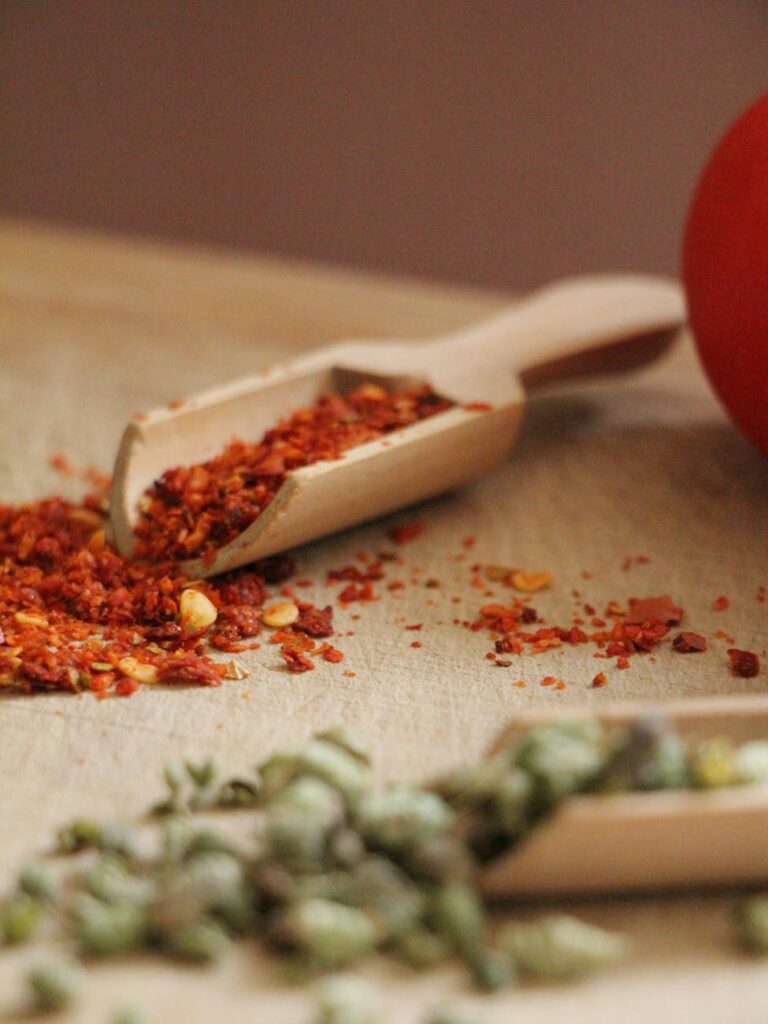
Nasturtium Around the World
Introduction
Nasturtium, a vibrant and peppery edible flower, has captivated culinary enthusiasts and gardeners alike for centuries. Known for its striking colors and unique flavor profile, this plant has transcended geographical boundaries, finding its place in various cuisines and cultures. In this article, we explore the regions where nasturtium is cultivated, its historical significance, production methods, and its diverse applications in modern gastronomy.
What Is Regions?
In the context of nasturtium, “regions” refers to the geographical areas where this plant is cultivated, appreciated, and utilized. Nasturtium grows in various climates, from temperate zones to subtropical regions, adapting to different soil types and environmental conditions. Understanding these regions helps highlight the cultural and culinary significance of nasturtium across the globe.
History and Origins
The origins of nasturtium trace back to South America, particularly the Andes region, where it was first cultivated by indigenous peoples. The plant was brought to Europe in the 16th century by Spanish explorers and quickly gained popularity for its ornamental and culinary uses. Its name, derived from the Latin word “nasturtium,” means “nose-twister,” a reference to its peppery flavor reminiscent of watercress.
During the Victorian era, nasturtium became a staple in British gardens, prized not only for its aesthetics but also for its versatility in the kitchen. The plant’s ability to thrive in various climates has led to its widespread cultivation, with different regions developing unique methods of growing and utilizing nasturtium.
Production and Processing
Cultivation
Nasturtium can be grown in a variety of environments, from home gardens to commercial farms. It thrives in well-drained soil and prefers full sun but can tolerate partial shade. The plant is generally sown directly into the soil, as it does not transplant well. In many regions, farmers appreciate its resilience, as it requires minimal maintenance and is resistant to pests due to its strong flavor and natural oils.
Harvesting
Nasturtium flowers and leaves are typically harvested in the late spring and summer months when they are most vibrant and flavorful. Flowers should be picked in the morning when they are fully open, while leaves can be harvested throughout the growing season. Proper handling during harvest is crucial to maintain freshness; flowers should be gently placed in containers to avoid bruising.
Processing
While nasturtium is primarily used fresh, some regions have developed methods for preserving its flavor. This includes drying the leaves for use in seasoning or creating infused oils. However, the drying process can diminish the plant’s vibrant color and unique flavor, which is why fresh nasturtium is often preferred in culinary applications.
Quality and Grading
The quality of nasturtium is primarily determined by its color, flavor, and freshness. High-quality nasturtium should exhibit bright, vibrant colors—ranging from yellows and oranges to deep reds and purples. The leaves should be crisp, and the flowers should be unblemished and fully open.
In commercial markets, nasturtium is often graded based on these criteria. Organic nasturtium, grown without synthetic pesticides or fertilizers, is increasingly sought after. Consumers are encouraged to seek out local varieties to ensure freshness and support regional agriculture.
Buying Considerations
When purchasing nasturtium, consumers should consider several factors:
1. Freshness: Look for vibrant, unblemished flowers and crisp leaves. Freshness is key to enjoying the plant’s unique flavor.
2. Source: Ideally, buy from local farmers’ markets or organic suppliers. This not only supports local agriculture but also ensures that the nasturtium is in season and freshly harvested.
3. Organic Alternatives: If possible, opt for organic nasturtium to avoid potential pesticide residues. Many growers now offer organic varieties due to the rising demand for clean, sustainable produce.
4. Preservation: For those interested in preserving nasturtium, consider dried forms or infused oils, but be aware that these may not provide the same flavor profile as fresh nasturtium.
Uses and Applications
Nasturtium is a versatile ingredient with a range of culinary applications. Its peppery flavor adds a distinctive kick to salads, sandwiches, and garnishes. The flowers can be used as a colorful addition to appetizers, while the leaves can be incorporated into pesto or sauces to enhance flavor.
In various cultures, nasturtium has found unique uses:
- Europe: In France, nasturtium is commonly used in salads and as a garnish for meat dishes. Its vibrant colors are appreciated in culinary presentations.
- Latin America: In some regions, nasturtium leaves are used to wrap meats or fish, imparting a spicy flavor during cooking.
- Asia: In India, nasturtium is sometimes included in chutneys, adding a peppery note that complements the dish.
The flowers are also not only edible but can be used to create herbal infusions or as a decorative element in cocktails, showcasing their versatility beyond mere garnish.
Storage and Shelf Life
Fresh nasturtium should be stored in a cool, dry place, ideally in the refrigerator, where it can last for up to a week. To maintain freshness, it is advisable to keep the flowers and leaves in a container with a damp paper towel. For longer storage, dried nasturtium can be kept in airtight containers away from light and moisture, although this may result in a change in flavor and texture.
Common Misconceptions
Despite its popularity, several misconceptions surrounding nasturtium persist:
1. All Nasturtiums Are Edible: While many varieties are edible, some types may not be suitable for consumption. It is essential to ensure that the specific variety is safe to eat.
2. Only the Flowers Are Edible: Many people mistakenly believe that only the flowers are