
Nasturtium Growing Guide Part 6
Introduction
Nasturtium, a vibrant and versatile flowering plant, has captured the attention of gardeners and culinary enthusiasts alike. Known for its peppery flavor and striking blossoms, this hardy plant can thrive in various environments, making it an excellent addition to any garden or urban landscape. In this guide, we delve into the intricacies of growing nasturtium, exploring its history, cultivation techniques, and various applications.
What Is Growing?
The term “growing” encompasses the processes involved in cultivating plants, from seed germination to the eventual harvesting of mature specimens. For nasturtium, growing involves understanding the plant’s specific requirements in terms of soil, light, water, and care. This flowering herbaceous annual is not only aesthetically pleasing but also offers a unique taste that enhances salads and other dishes. Mastering the art of growing nasturtium can yield abundant blooms and foliage, enriching both your garden and culinary endeavors.
History and Origins
Nasturtium (Tropaeolum majus) is native to South America, particularly Peru and Chile, where it flourished in the wild. The plant was introduced to Europe in the 16th century by Spanish explorers, who recognized its ornamental potential. Over time, nasturtium became popular not only for its beauty but also for its culinary attributes. The name “nasturtium” is derived from Latin, meaning “nose-twister,” a reference to the plant’s pungent taste.
Historically, nasturtium has been used in various cultures as both a food source and a medicinal herb. Its leaves and flowers were employed in salads, while the seeds were sometimes pickled. In Victorian England, nasturtium was a beloved garden plant, signifying purity and patriotism. Today, it is celebrated for its vibrant colors and adaptability, making it a favorite among gardeners worldwide.
Production and Processing
Growing nasturtium can be highly rewarding, as it is relatively easy to cultivate. The plant thrives in well-drained soil and prefers full sunlight, although it can tolerate partial shade. Here are the essential steps for successful nasturtium cultivation:
Soil Preparation
Nasturtium grows best in light, well-drained soil with a pH of 6.0 to 7.0. Before planting, enrich the soil with organic matter, such as compost or well-rotted manure, to improve fertility and drainage. Avoid high-nitrogen fertilizers, as they can encourage foliage growth at the expense of flowers.
Planting
Nasturtium can be started indoors or sown directly outdoors after the last frost. If starting indoors, sow seeds in biodegradable pots about six weeks before the last frost date. For outdoor sowing, plant seeds 1 inch deep and 10 to 12 inches apart, ensuring adequate space for growth. Nasturtium can also be grown in containers, hanging baskets, or as ground cover.
Watering
While nasturtium is relatively drought-tolerant, regular watering is essential during dry spells, particularly when the plants are young. The goal is to keep the soil consistently moist without becoming waterlogged. Overwatering can lead to root rot, so ensure proper drainage.
Maintenance
Nasturtium requires minimal maintenance. Regularly check for pests such as aphids or slugs, which can damage the plants. If necessary, use organic pest control methods, such as insecticidal soap or neem oil. Deadheading spent flowers encourages continuous blooming and prevents the plant from going to seed too early.
Harvesting
Nasturtium’s leaves, flowers, and seeds are all edible and can be harvested for culinary use. Leaves can be picked as needed, while flowers should be harvested when fully open. Seeds can be collected when they are mature and can be pickled for future use.
Quality and Grading
Assessing the quality of nasturtium involves evaluating several factors:
1. Appearance: Healthy plants should have vibrant, unblemished leaves and flowers. Discoloration or wilting may indicate disease or inadequate care.
2. Flavor: Fresh nasturtium should have a crisp texture and a peppery, slightly sweet flavor. Taste testing is essential to ensure quality.
3. Freshness: Ideally, nasturtium should be used soon after harvest. Freshness can be gauged by the plant’s overall appearance and texture.
Grading is less formal in home gardens, but commercial growers may adhere to specific standards to meet market demands.
Buying Considerations
When purchasing nasturtium, whether as seeds or plants, several factors should be considered:
1. Variety: Nasturtium comes in different varieties, such as ‘Jewel Mix’ and ‘Alaska,’ which feature varying flower colors and growth habits. Choose a variety that suits your garden’s aesthetic and space.
2. Source: Purchase seeds or plants from reputable nurseries or garden centers to ensure quality and viability. Organic seeds are often preferred for their sustainable farming practices.
3. Condition: Inspect seedlings or plants for signs of pests or disease. Healthy plants should have robust growth and vibrant colors.
Uses and Applications
Nasturtium is not just a garden ornamental; it has numerous culinary and practical applications:
Culinary Uses
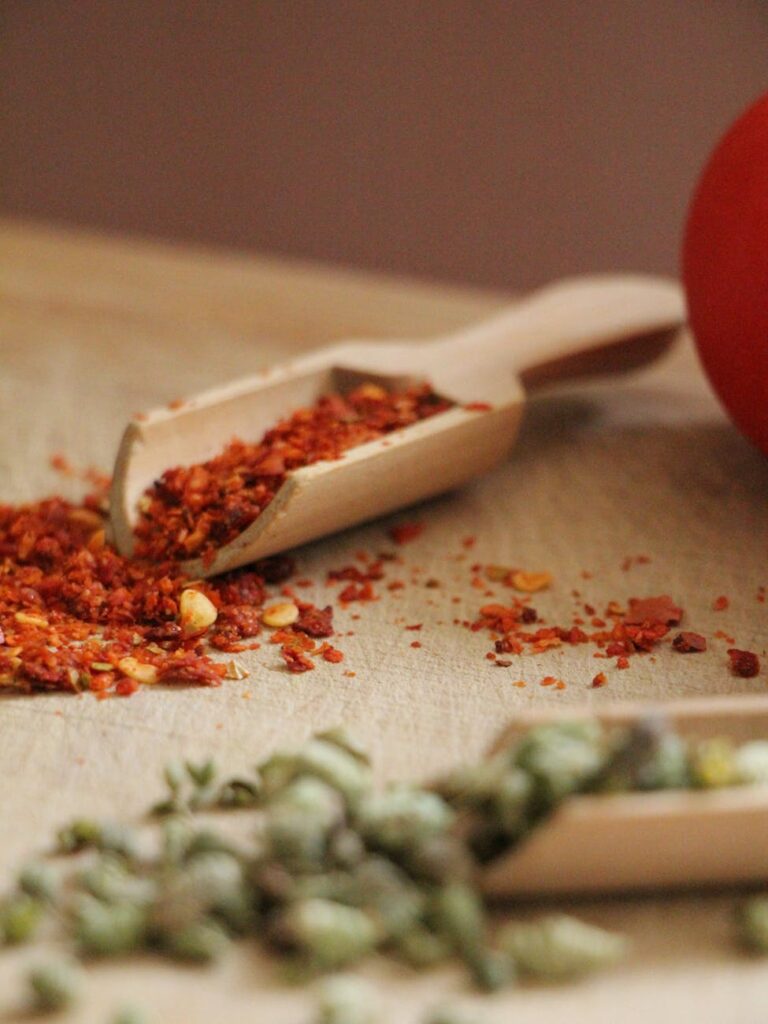
The edible leaves and flowers of nasturtium are often used in salads, sandwiches, and garnishes. The peppery flavor can enhance a variety of dishes, making it a popular choice among chefs and home cooks alike. The immature seeds can be harvested and pickled as a substitute for capers.
Ornamental Uses
Nasturtium’s vibrant flowers make it an excellent choice for borders, containers, and hanging baskets. Its trailing vines can add a dramatic touch to trellises or fences, while its foliage can provide ground cover.
Companion Planting
Nasturtium is an