
Nasturtium Myths and Misconceptions
Introduction
Nasturtium, a vibrant and versatile plant, is often celebrated for its striking flowers and peppery leaves. While many appreciate its aesthetic appeal and culinary applications, several myths and misconceptions have emerged over time. This article seeks to clarify the facts surrounding nasturtium, exploring its history, production, quality, and common misunderstandings.
What Is Nasturtium?
Nasturtium, scientifically known as Tropaeolum majus, is a flowering plant belonging to the family Tropaeolaceae. Native to South America, it is characterized by its bright, colorful blossoms and distinctive round leaves. The plant is often grown in gardens for ornamental purposes, but its edible parts—flowers, leaves, and seeds—are also utilized in culinary practices, adding a unique flavor and vibrant color to dishes.
History and Origins
Nasturtium has a rich history that traces back to the indigenous cultures of the Andean region of South America. The plant was first documented in the 16th century by European explorers, who were captivated by its culinary potential. Following its introduction to Europe, nasturtium quickly became a popular garden plant, valued not only for its beauty but also for its peppery flavor akin to that of watercress. Over the centuries, various cultivars have been developed, expanding its availability and use in both culinary and ornamental applications.
Production and Processing
Today, nasturtium is cultivated globally, often found in home gardens and commercial farms alike. The plant thrives in well-draining soil and prefers full sun to partial shade. Harvesting typically occurs in the summer months when the flowers are in full bloom, and the leaves are tender and flavorful. The flowers and leaves are usually consumed fresh, while seeds can be harvested and pickled as a substitute for capers.
Post-harvest, care must be taken to handle nasturtium delicately to preserve its vibrant color and flavor. The flowers and leaves should be rinsed gently and dried before storage. Unlike many other herbs, nasturtium does not retain its flavor well when dried, making fresh consumption the preferred method.
Quality and Grading
Quality assessment of nasturtium involves examining several factors, including color, freshness, and absence of blemishes. High-quality nasturtium features brightly colored flowers—ranging from yellow to deep red—and crisp, unblemished leaves. When purchasing, consumers should look for vibrant specimens, as faded or wilting leaves indicate poor quality. Moreover, freshness is paramount; nasturtium should be used shortly after harvest for optimal flavor.
Buying Considerations
When buying nasturtium, whether from a farmer’s market or a grocery store, consider the following:
1. Seasonality: The best time to purchase nasturtium is during the summer months when it is in peak season.
2. Source: Look for organic options when possible, as this ensures minimal pesticide exposure.
3. Storage: If purchasing in bulk, ensure proper storage conditions to maintain freshness.
Additionally, consider the intended use—whether for salads, garnishes, or other culinary applications—since this may influence the choice of variety and quality.
Uses and Applications
Nasturtium is prized for its culinary versatility. The flowers and leaves can be used in various ways:
- Salads: The peppery leaves add a zesty flavor to mixed greens, while the brightly colored flowers serve as eye-catching garnishes.
- Garnishes: The unique appearance of nasturtium flowers makes them a popular choice for garnishing dishes, elevating the presentation of everything from appetizers to cocktails.
- Infusions: Some chefs infuse nasturtium into oils or vinegars, imparting a distinctive, spicy flavor profile.
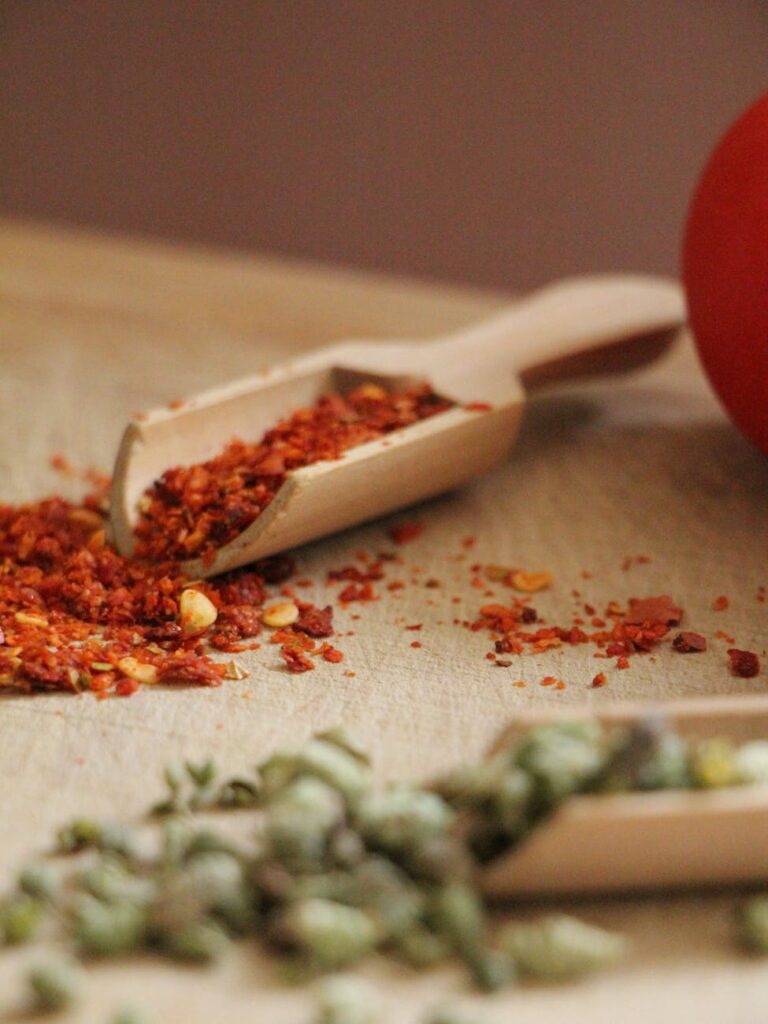
- Pickling: The seeds can be pickled and used as a substitute for capers, offering a similar tanginess.
Due to these attributes, nasturtium is increasingly recognized in contemporary cuisine, particularly within fine dining establishments.
Storage and Shelf Life
Nasturtium’s shelf life is relatively short, primarily due to its delicate nature. When stored properly, fresh nasturtium can last up to a week in the refrigerator. To prolong freshness:
1. Wrap: Store leaves and flowers wrapped in a damp paper towel inside a perforated plastic bag.
2. Avoid moisture: Excess moisture can lead to spoilage; ensure the leaves are dry before storage.
3. Use quickly: For the best flavor and texture, consume nasturtium within a few days of purchase.
Common Misconceptions
Despite its popularity, several misconceptions about nasturtium persist:
1. Nasturtium Is Toxic: Many believe nasturtium is poisonous, but this is a myth. All parts of the plant are edible and safe for consumption, provided they are grown in non-contaminated soil.
2. Only the Flowers Are Edible: Some think only the flowers can be consumed. In reality, both the leaves and seeds are edible and offer unique culinary benefits.
3. Nasturtium Has No Nutritional Value: While not a superfood, nasturtium contains vitamins A and C, along with other nutrients, contributing to a balanced diet.
4. Nasturtium Is Only for Gourmet Cooking: Though it is popular in high-end cuisine, nasturtium can be easily integrated into everyday meals, adding flavor and color to simple dishes.
5. It Can Replace All Herbs: While nasturtium has a distinctive flavor, it cannot serve as a universal substitute for all herbs. Its peppery taste is unique and should be used in moderation alongside other herbs.
6. Nasturtium Grows Wild: While it can self-seed and spread in suitable environments, nasturtium is not