
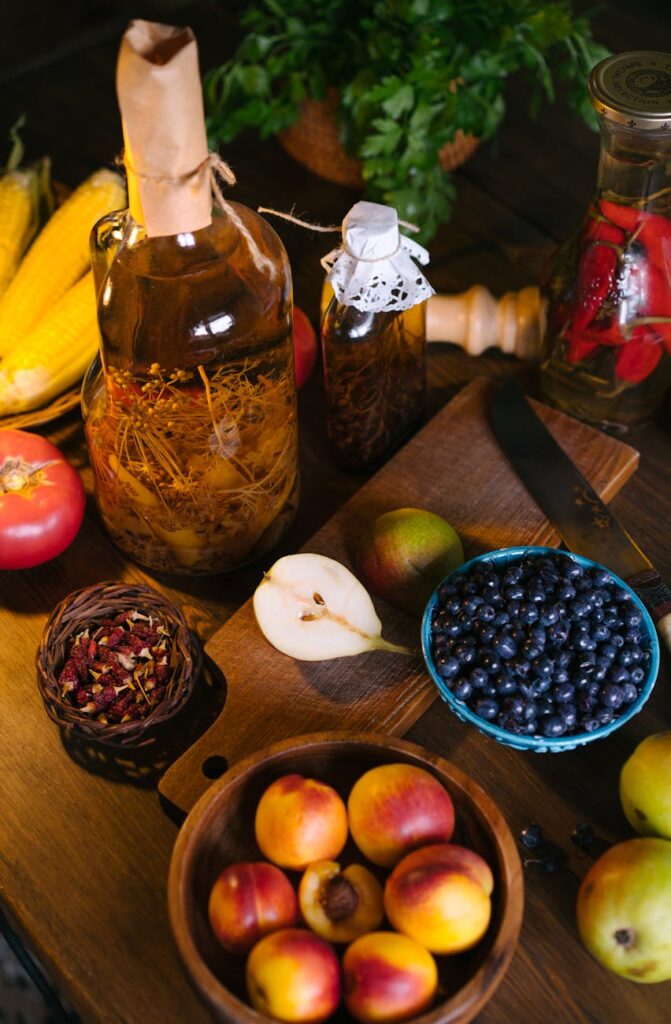
Nectarines Around the World
Introduction
Nectarines, with their smooth, velvety skin and sweet, juicy flesh, are a beloved stone fruit that tantalizes taste buds across the globe. Their luscious flavor and aromatic scent make them a popular choice for both fresh consumption and culinary applications. This article delves into the diverse regions where nectarines are cultivated, exploring their history, production practices, quality standards, and more to provide a comprehensive understanding of this delightful fruit.
What Is Regions?
In the context of nectarines, “regions” refers to the geographical areas where these fruits are grown, each characterized by specific climatic conditions, soil types, and agricultural practices. These regions significantly influence the flavor profiles, varieties, and overall quality of nectarines. Understanding these regions helps consumers appreciate the nuances of nectarines from different parts of the world.
History and Origins
Nectarines are believed to have originated in China over 2,000 years ago, where they were cultivated for their sweet flesh. The fruit is a genetic variant of the peach (Prunus persica) and is distinguished by its smooth skin. Historical records suggest that nectarines spread to the Mediterranean region, eventually making their way to Europe and the Americas through trade routes.
In ancient Greece, nectarines were celebrated for their sweetness and were often used in religious ceremonies and as offerings. The fruit made its way to the United States in the 18th century, where it found a favorable climate for growth, particularly in California, which now dominates nectarines’ production.
Production and Processing
Global Production
Nectarine production is concentrated primarily in regions with temperate climates. Key producers include:
- United States: California is the leading producer, contributing over 90% of the nectarines grown in the country. The San Joaquin Valley, with its warm summers and mild winters, provides ideal conditions for cultivation.
- Spain: A significant producer in Europe, Spain grows a variety of nectarines, particularly in the regions of Murcia and Valencia. The Mediterranean climate aids in developing nectarines with exceptional flavor.
- Italy: Known for its diverse varieties, Italy’s production is spread across regions like Emilia-Romagna and Campania. Italian nectarines are often characterized by their sweet, aromatic flavor.
- China: As the historical birthplace of nectarines, China continues to produce significant quantities, focusing on both domestic consumption and export.
- Washing and Sorting: After harvest, nectarines are washed to remove dirt and pesticides. They are then sorted based on size, color, and quality.
- Packaging: Proper packaging is crucial for maintaining freshness. Nectarines are typically packed in ventilated boxes to allow air circulation, minimizing the risk of spoilage.
- Cold Storage: To prolong their shelf life, nectarines are often stored in controlled-temperature environments until they reach their destination.
- U.S. Fancy: The highest quality, with smooth skin, vibrant color, and no blemishes.
- U.S. No. 1: Good quality nectarines that may have slight imperfections but still possess excellent flavor and texture.
- U.S. No. 2: Lower quality fruits that may exhibit significant blemishes or irregular shapes, often used for processing rather than fresh consumption.
- Seasonality: Nectarines are typically in season during late spring to early fall, with peak availability from June to August. Buying in season often guarantees better flavor and freshness.
- Color and Firmness: Look for nectarines that have a vibrant color, varying from yellow to red, depending on the variety. They should feel firm but yield slightly to gentle pressure, indicating ripeness.
- Aroma: A sweet, fruity aroma is a good indicator of a ripe nectarine. If the scent is faint, the fruit may not be fully ripe.
- Blemishes: Inspect for any dark spots or blemishes, which can indicate overripeness or decay. Minor imperfections may be acceptable, but avoid nectarines with significant damage.
- Fresh Consumption: Their sweet flavor makes nectarines a popular choice for snacking, salads, and fruit platters.
- Baking and Cooking: Nectarines can be used in pies, tarts, and crumbles, adding a juicy flavor to baked goods. They can also be grilled or sautéed, enhancing their natural sweetness.
- Preserves and Jams: Due to their high sugar content, nectarines are ideal for making preserves, jams, and sauces, allowing consumers to enjoy their flavor year-round.
- Beverages: Nectarines can be juiced or blended into smoothies, providing a refreshing drink option. They are also used in cocktails and flavored waters.
- Room Temperature: If purchased unripe, nectarines should be stored at room temperature until they ripen. Once ripe, they can be consumed within a few days.
- Refrigeration: To prolong their freshness, ripe nectarines can be placed in the refrigerator. However, it’s
Processing Techniques
Once harvested, nectarines undergo several processing techniques to ensure quality and extend shelf life. These include:
Quality and Grading
The quality of nectarines is determined by several factors, including firmness, color, and sugar content. In many countries, nectarines are graded based on these attributes, with the following classifications commonly used:
Grading standards are essential for both consumers and producers, ensuring that only the best nectarines reach the market while providing guidelines for pricing and quality assurance.
Buying Considerations
When purchasing nectarines, several factors should be considered to ensure the best quality:
Uses and Applications
Nectarines are versatile fruits that can be enjoyed in various ways:
Storage and Shelf Life
Proper storage is crucial for maintaining the quality of nectarines. Here are some tips for extending their shelf life: