
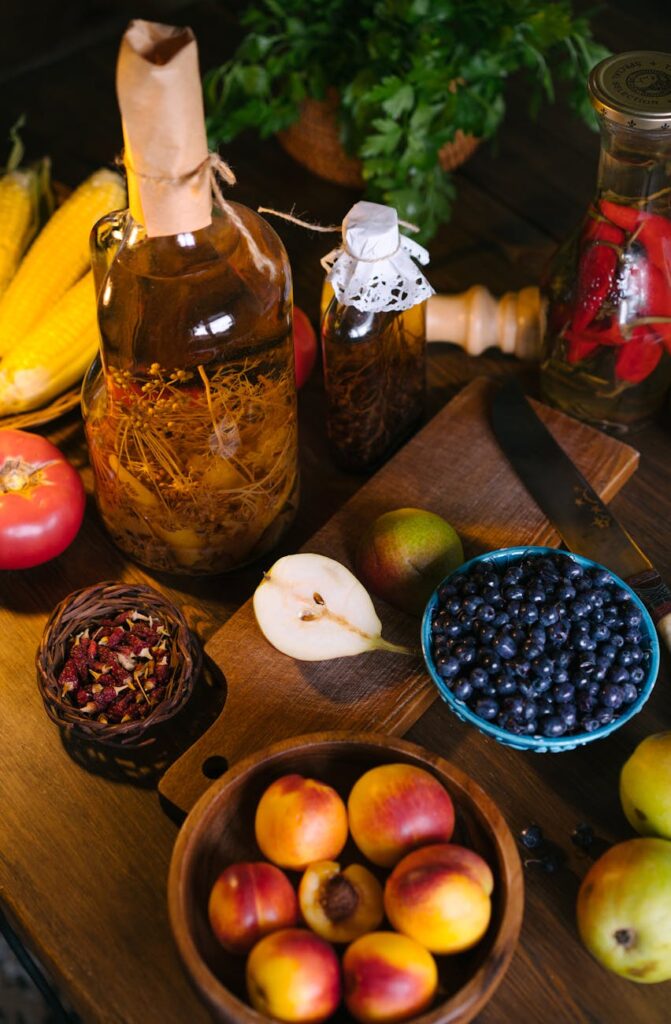
Nectarines Cultivation Explained
Introduction
Nectarines, the smooth-skinned cousins of peaches, are a delightful stone fruit enjoyed worldwide. Their sweet, juicy flesh and vibrant colors make them a popular choice among consumers. However, the journey from orchard to table involves a multifaceted cultivation process. Understanding the nuances of nectarines cultivation not only enriches our appreciation of this fruit but also illuminates the agricultural practices behind its production.
What Is Growing?
Growing, in the context of nectarines, refers to the entire process of cultivating nectarine trees, from selecting the right variety and preparing the soil to planting, caring for, and harvesting the fruit. This process requires careful attention to climate, soil conditions, water management, and pest control. Each stage of growth impacts the fruit’s quality, flavor, and yield, making it essential for growers to be knowledgeable about best practices in horticulture.
History and Origins
Nectarines are believed to have originated in China over 2,000 years ago, where they were cultivated alongside their fuzzy-skinned relatives, peaches. Historical records indicate that nectarines were present in ancient Greece and Rome, where they were cherished for their flavor and aesthetic beauty. The name “nectarine” is derived from the word “nectar,” reflecting their sweet taste.
The spread of nectarines to Europe and the Americas occurred through trade and exploration. By the 19th century, nectarines had gained popularity in the United States, particularly in California, which remains one of the largest producers of nectarines today. The development of various cultivars expanded the genetic diversity of nectarines, allowing for a wider range of flavors and growing conditions.
Production and Processing
Cultivation Practices
Nectarines thrive in temperate climates with well-drained soil, abundant sunlight, and a chilling period during winter to ensure proper fruit development. The cultivation process begins with selecting the right cultivars based on local climate and market demand. Common varieties include the clingstone and freestone types, which differ in how easily the flesh separates from the pit.
After selecting the variety, growers prepare the soil by testing its pH and nutrient content. The ideal pH for nectarines is between 6.0 and 6.8. Soil amendments, such as compost and fertilizers, are often added to enhance soil quality.
Planting and Maintenance
Nectarines are typically planted in late winter or early spring. Young trees are spaced adequately to ensure good air circulation, which helps prevent diseases. During the initial years, regular watering and mulching are crucial for establishing healthy root systems.
Pest and disease management is vital throughout the growth cycle. Common pests include aphids, fruit flies, and spider mites, while diseases such as brown rot and powdery mildew can affect overall yield. Integrated pest management (IPM) strategies, including biological controls and organic pesticides, are often employed to minimize chemical use.
Harvesting and Post-Harvest Processing
Harvesting nectarines usually occurs in late summer to early fall, depending on the variety and climate. Growers determine the optimal harvesting time based on color, firmness, and sugar content. Manual harvesting is preferred to prevent damage to the fruit. After harvesting, nectarines are carefully washed, sorted, and graded based on size, color, and firmness.
Post-harvest processing may include packaging for transport to markets, where they are often sold fresh or processed into various products, such as jams and juices. Proper handling during this stage is crucial to maintain quality and extend shelf life.
Quality and Grading
Quality grading for nectarines is based on several factors, including appearance, firmness, size, and absence of blemishes or defects. The United States Department of Agriculture (USDA) has established standards for nectarine grading, which categorize them into U.S. Fancy, U.S. No. 1, and lower grades.
- U.S. Fancy: Exhibits superior quality, excellent color, and is nearly free of defects.
- U.S. No. 1: Good quality with minimal defects allowed.
- U.S. No. 2: Acceptable quality but may have more defects or blemishes.
These grading standards ensure that consumers receive high-quality fruit while helping growers market their products effectively.
Buying Considerations
When purchasing nectarines, consumers should consider several factors to ensure they select the best fruit:
1. Ripeness: A ripe nectarine should yield slightly to pressure and have a fragrant aroma. Look for vibrant skin color, which varies by variety.
2. Firmness: Choose firm nectarines that are not overly hard or soft. Soft spots may indicate over-ripeness or damage.
3. Appearance: Inspect for blemishes, bruises, or signs of decay. Uniform color and smooth skin are indicators of quality.
4. Origin: Local or seasonal nectarines often offer better flavor and freshness. Understanding the growing region can impact taste and quality.
Uses and Applications
Nectarines are versatile fruits that can be incorporated into a variety of culinary applications. They can be enjoyed fresh, sliced into salads, or used as toppings for yogurt and cereals. Additionally, nectarines lend themselves well to desserts, such as tarts and crumbles, or can be grilled for a caramelized flavor.
In addition to culinary uses, nectarines are processed into jams, jellies, and sauces, making them a popular choice in the food manufacturing industry. Their juice is also utilized in beverages, providing a sweet and refreshing option for consumers.
Storage and Shelf Life
Proper storage is essential to prolong the shelf life of nectarines. When stored at room temperature, they typically last 3 to 7 days, depending on their ripeness at purchase. Once ripe, nectarines can be refrigerated to extend their freshness for an additional 5 to 7 days.
For long-term storage, nectarines