
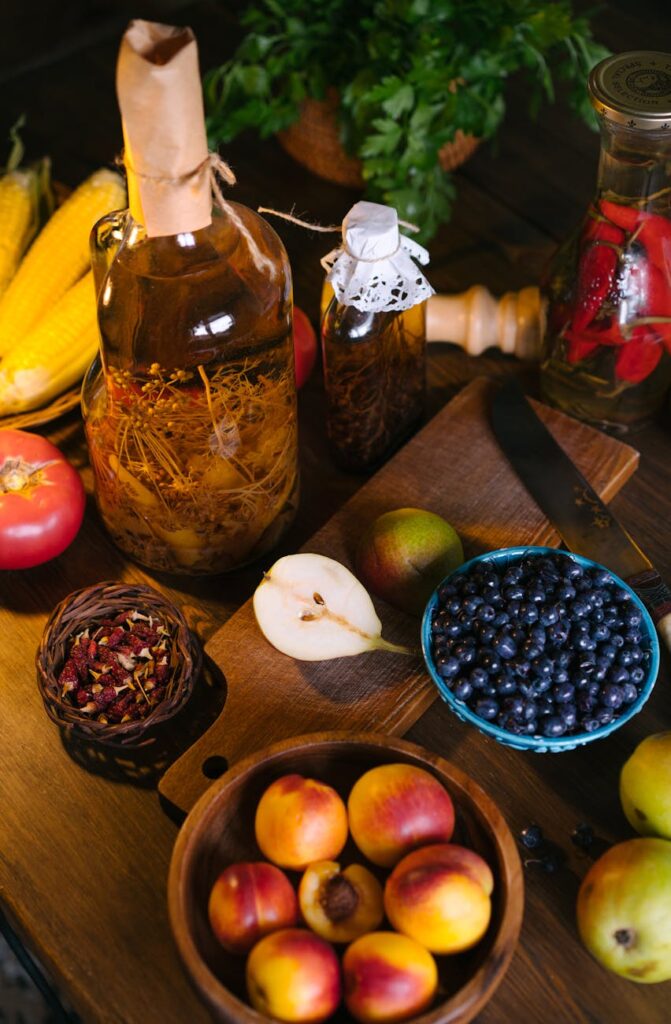
Nectarines in Traditional Cuisine
Introduction
Nectarines, with their smooth skin and juicy flesh, are a beloved stone fruit that has made significant contributions to traditional cuisines around the world. While they are often overshadowed by their fuzzy cousins, peaches, nectarines possess a unique flavor profile and versatility that makes them a valuable ingredient in various culinary traditions. This article delves into the uses of nectarines, capturing their historical significance, culinary applications, and the nuances that define their role in traditional cuisines.
What Is Uses?
The term “uses” in the context of food ingredients encompasses the various ways an ingredient can be incorporated into culinary practices. This includes how it is prepared, the types of dishes it complements, and its role within specific cultural traditions. For nectarines, their uses range from fresh consumption to incorporation in savory dishes, beverages, and desserts, showcasing their adaptability and appeal.
History and Origins
Nectarines are believed to have originated in China, where they have been cultivated for over 2,000 years. Historical records indicate that they were valued not only for their flavor but also for their aesthetic appeal. The fruit’s name is derived from the Greek word “nectar,” which refers to the drink of the gods, highlighting its esteemed status in ancient cultures.
The cultivation of nectarines spread along the Silk Road, influencing various regions and cuisines. By the time they reached Europe in the late 16th century, nectarines were embraced by gardeners and chefs alike. Their smooth skin and distinct sweetness made them a desirable addition to both savory and sweet dishes. Today, nectarines are grown in temperate regions worldwide, including the United States, Europe, and parts of Asia.
Production and Processing
Nectarine production involves careful cultivation practices to ensure high-quality fruit. The trees require well-drained soil and a temperate climate, thriving in regions with hot summers and cool winters. Harvesting typically occurs in mid-summer when the fruit reaches peak ripeness. Unlike peaches, nectarines are less prone to pest infestations due to their smooth skin, simplifying the growing process.
After harvesting, nectarines are often processed for canning, drying, or juicing. These methods extend their shelf life and allow for diverse culinary applications. The drying process, in particular, concentrates the fruit’s sugars, creating a delightful treat that can be enjoyed year-round.
Quality and Grading
When evaluating nectarines, quality and grading are critical factors. High-quality nectarines should have smooth, unblemished skin and yield slightly to pressure, indicating ripeness. Color is also an indicator; the best varieties exhibit a rich, vibrant hue. Grading systems often categorize nectarines based on size, appearance, and firmness, ensuring that consumers receive the best possible fruit for their culinary needs.
Buying Considerations
When purchasing nectarines, several considerations can ensure optimal quality. Look for nectarines that are free from bruises or blemishes and possess a sweet aroma. It is advisable to select fruit that is firm yet slightly soft to the touch, as this indicates ripeness. Seasonality also plays a role; peak season for nectarines in the Northern Hemisphere typically spans from late June to early September.
Furthermore, consider the variety of nectarines available—some are best for fresh consumption, while others may be more suitable for cooking or baking. Familiarizing oneself with the different types can enhance culinary outcomes.
Uses and Applications
Nectarines are incredibly versatile, finding their way into a myriad of dishes across cultures. Here are some notable applications:
Fresh Consumption
One of the most common uses of nectarines is fresh consumption. Their juicy flesh and sweet flavor make them an ideal snack or addition to fruit salads. In traditional cuisines, they are often sliced and served with cheese or incorporated into charcuterie boards, accentuating both sweet and savory flavors.
Desserts
Nectarines shine in desserts, where their natural sweetness complements other ingredients. They can be baked into pies or tarts, providing a succulent filling that contrasts beautifully with flaky crusts. In some cultures, nectarines are poached in syrup with spices, creating a sophisticated dessert served with cream or yogurt.
Savory Dishes
Beyond sweet applications, nectarines also have a place in savory cuisine. They can be grilled or roasted, enhancing their flavor and adding complexity to dishes. In Mediterranean traditions, nectarines are often incorporated into salads, paired with greens, nuts, and cheeses to create refreshing and balanced meals. Their acidity can brighten rich dishes, making them a valuable ingredient in contemporary culinary practices.
Beverages
Nectarines can also be transformed into refreshing beverages. In some cultures, they are blended into smoothies or juices, offering a sweet and nutritious option. Nectarine-infused cocktails are becoming increasingly popular, where the fruit’s essence is extracted to create vibrant drinks that celebrate its flavor.
Jams and Preserves
In traditional food preservation methods, nectarines are often transformed into jams or preserves. These products capture the fruit’s essence, allowing for enjoyment long after the harvest season. The process often involves cooking the nectarines with sugar and spices, creating a spread that pairs beautifully with bread and cheese.
Salsas and Chutneys
Nectarines can also be used in savory condiments like salsas and chutneys. Combined with ingredients such as onions, cilantro, and lime, nectarines can add a unique sweetness that balances the heat of spices, making them a delightful accompaniment to grilled meats or tacos.
Storage and Shelf Life
Proper storage is essential for maintaining the quality and longevity of nectarines. When ripe, they can be stored in the refrigerator to extend shelf life, though they are best enjoyed at room temperature for optimal flavor. It is advisable to consume them within a few days to a week after purchase to experience their peak taste and texture.
For longer storage, nectarines can be frozen. This process typically involves blanching the fruit briefly