
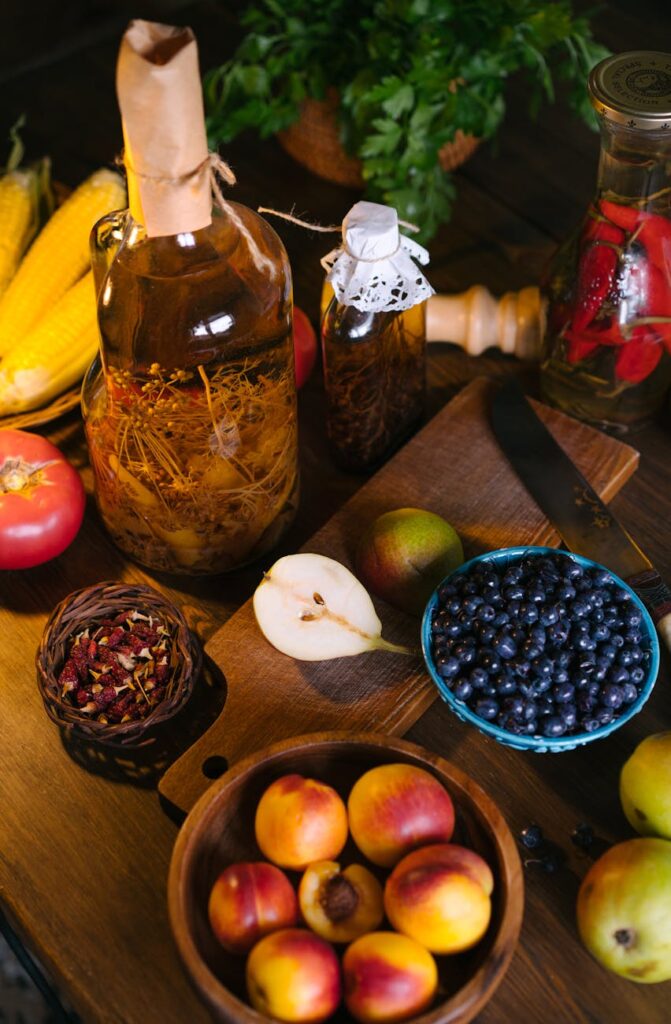
Nectarines: Origins and Evolution
Introduction
Nectarines, with their smooth, velvety skin and sweet, succulent flesh, are a cherished stone fruit that has captivated taste buds worldwide. Often thought of as a close relative of peaches, nectarines possess a unique flavor profile and texture that distinguishes them in the culinary world. This article delves into the origins of nectarines, their historical significance, production methods, quality standards, and various uses, while also addressing common misconceptions and frequently asked questions.
What Is About?
Nectarines (Prunus persica var. nucipersica) are a variety of peach characterized by their smooth skin, as opposed to the fuzzy texture commonly associated with peaches. This genetic variation arises from a single recessive allele, resulting in the absence of the peach’s characteristic fuzz. The fruit is typically round and comes in shades of yellow, orange, and red, depending on the variety. Nectarines are known for their aromatic sweetness, making them a popular choice for both fresh consumption and culinary applications.
History and Origins
The history of nectarines can be traced back to ancient civilizations. They are believed to have originated in China, where peaches were cultivated as early as 2000 BCE. Nectarines were likely developed through natural mutations, and the first recorded mention of this smooth-skinned fruit appears in historical texts from China.
As trade routes expanded, nectarines made their way to various parts of the world. By the time of the Roman Empire, peaches and their variants, including nectarines, were well established in Europe. Historical accounts suggest that nectarines were introduced to the Mediterranean region from the East, where they quickly became popular among the upper classes due to their sweetness and aesthetic appeal.
Throughout the centuries, nectarines continued to evolve, with various cultivars being developed to suit different climates and consumer preferences. In the United States, nectarines were introduced in the 19th century and have since become a significant fruit crop, particularly in California, where the warm climate is ideal for cultivation.
Production and Processing
Nectarine production is primarily concentrated in regions with temperate climates, with California accounting for approximately 95% of the United States’ total production. The cultivation of nectarines requires well-drained soil and careful attention to irrigation, as the trees thrive in warm conditions but are susceptible to water stress.
Nectarines are typically harvested in late summer, with the peak season occurring from July to September. The fruit is hand-picked to minimize bruising, as they are particularly delicate. After harvesting, nectarines undergo a series of quality checks before being sorted and packaged for distribution. Some nectarines may be processed into slices or purees for use in various products, such as jams, jellies, and desserts.
The post-harvest handling of nectarines is critical. They are often treated with specific protocols to extend their shelf life and maintain quality. Controlled atmosphere storage, refrigeration, and ethylene management are vital in preserving the fruit’s firmness and flavor.
Quality and Grading
The quality of nectarines is determined by several factors, including size, color, and firmness. In the United States, nectarines are graded according to the USDA standards, which categorize them into three primary grades: U.S. No. 1, U.S. No. 2, and U.S. No. 3.
- U.S. No. 1: This grade represents the highest quality, characterized by smooth skin, vibrant color, and firmness. These nectarines are free from significant defects and imperfections.
- U.S. No. 2: Nectarines in this category may have slight blemishes or irregularities but are still considered good quality for consumption.
- U.S. No. 3: This grade includes nectarines that show more noticeable defects or damage, making them less desirable for fresh consumption but still suitable for processing.
Consumers should look for nectarines with a firm texture, rich color, and an aromatic scent, which are indicators of ripeness and quality.
Buying Considerations
When purchasing nectarines, several factors should be considered to ensure optimal freshness and quality.
1. Seasonality: Nectarines are typically available from late June through September in most regions. Buying in-season fruit often results in better flavor and quality.
2. Appearance: Select nectarines that are smooth, without blemishes or bruises. The color should be vibrant, indicating ripeness.
3. Firmness: Gently squeeze the fruit to assess its firmness. A slight give indicates ripeness, while overly soft nectarines may be overripe.
4. Aroma: A fragrant aroma is a sign of a ripe and flavorful nectarine. Avoid fruit lacking a scent, as it may not be mature.
5. Origin: If possible, inquire about the origin of the nectarines. Locally sourced fruit is often fresher and may have a lower carbon footprint.
Uses and Applications
Nectarines are versatile fruits that lend themselves to a variety of culinary uses. They can be enjoyed fresh, sliced into salads, or blended into smoothies for a refreshing beverage. Their sweet and juicy nature makes them an ideal addition to desserts, such as tarts, crumbles, and sorbets.
In savory dishes, nectarines can be grilled or roasted, enhancing their sweetness and adding depth to salads or salsas. The fruit’s natural sugars caramelize beautifully when cooked, making them a delightful complement to meat dishes, particularly pork or chicken.
Moreover, nectarines can be used in preserves, jams, and sauces, allowing their flavor to shine throughout the year. Their unique taste also makes them suitable for pairing with various cheeses, adding complexity to cheese boards.
Storage and Shelf Life
To maximize the shelf life of nectarines, proper storage is essential. Unripe nectarines can be left at room temperature to rip