
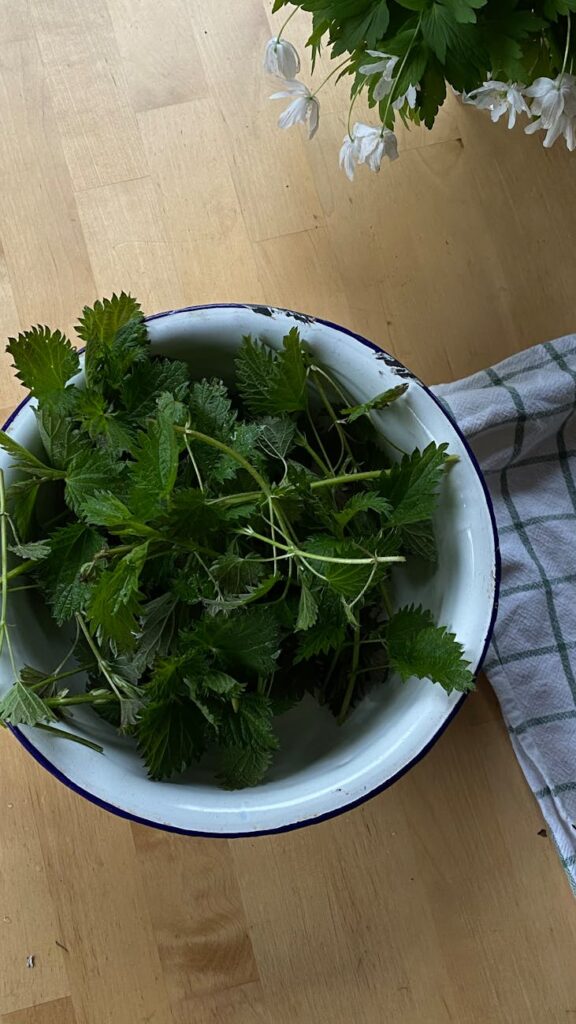
Nettles Around the World
Introduction
Nettles, often regarded as a mere nuisance by gardeners, are a plant of remarkable culinary and nutritional potential. Found across various regions of the globe, these hardy perennials thrive in diverse climates and soils. Beyond their infamous sting, nettles are valued in many cultures for their rich nutritional profile, unique flavor, and versatility in the kitchen. This article will explore the various regions where nettles grow, their history and origins, how they are produced and processed, and much more.
What Is Regions?
The term “regions” refers to specific geographical areas characterized by distinct climatic, cultural, and ecological conditions. Each region contributes to the cultivation and utilization of nettles in unique ways, influenced by local traditions, soil types, and climate. Understanding these regions allows us to appreciate the diversity of nettles and how they are incorporated into various culinary practices around the world.
History and Origins
Nettles belong to the Urticaceae family, with the most commonly known species being Urtica dioica, or the stinging nettle. This plant has a rich history that dates back thousands of years. Evidence suggests that nettles were used in ancient Egypt, where they were valued for their fibers and as a food source. The Greeks and Romans also recognized their benefits, employing them in various medicinal and culinary applications.
In Europe, nettles were consumed and cultivated long before the introduction of more commonly recognized vegetables. They were a staple in the diets of many rural communities, especially during the spring and early summer months when they are at their most tender. Nettle fibers were also utilized for textiles, highlighting the plant’s utility beyond the kitchen.
In Asia, particularly in countries like China and Japan, nettles have been used in traditional medicine and cuisine for centuries. The dual roles of nettles as both food and medicine illustrate their importance across different cultural landscapes.
Production and Processing
Nettles are typically harvested in the spring when they are young and tender. This is when their flavor is at its peak and the sting is less pronounced. They are often found in wild, untamed areas, but they can also be cultivated in gardens and farms.
Cultivation
Nettles thrive in nutrient-rich, moist soil and prefer partially shaded areas. They can be propagated from seeds or by dividing existing plants. Organic farming practices are increasingly being adopted to cultivate nettles, ensuring that they are free from harmful pesticides and chemicals, which is especially important given their historical use in traditional medicine.
Harvesting
Harvesting nettles requires caution due to their tiny, stinging hairs that can cause skin irritation. Gloves are essential when collecting them. The young leaves are typically picked, while older leaves tend to be tougher and more fibrous. After harvesting, nettles can be processed in various ways, including blanching, drying, or freezing, to preserve their flavor and nutritional content.
Processing
Once harvested, nettles can be blanched to neutralize their sting, making them safe for consumption. This process involves briefly boiling the nettles and then immersing them in cold water. Alternatively, they can be dried for long-term storage or made into powders for use in smoothies and other applications.
Quality and Grading
The quality of nettles can vary based on several factors, including the region of growth, harvesting time, and processing methods. High-quality nettles are characterized by vibrant green leaves, a tender texture, and a fresh, earthy aroma.
Grading Criteria
1. Color: Fresh nettles should be a deep green color, indicating optimal freshness.
2. Texture: Tender young leaves are preferred; older leaves may be tougher and less desirable.
3. Aroma: A fresh, grassy scent is a sign of quality.
4. Purity: High-quality nettles should be free from pests, diseases, and contamination.
Regional Variations
Different regions may have specific grading standards based on local preferences. For example, in Europe, the focus may be on the culinary qualities of the nettles, while in Asia, medicinal properties might be emphasized.
Buying Considerations
When purchasing nettles, whether fresh, dried, or powdered, there are several factors to consider to ensure quality and safety:
Fresh Nettles
- Seasonality: Fresh nettles are typically available in the spring and early summer. Look for vibrant green leaves without browning or wilting.
- Source: Opt for organic or locally sourced nettles to minimize exposure to pesticides.
- Packaging: Ensure that dried nettles are packaged in airtight containers to preserve freshness.
- Expiration Date: Always check the expiration date; dried nettles can lose potency over time.
- Soups and Stews: Nettles can be added to soups and stews for a nutritional boost and a unique flavor profile.
- Pesto and Sauces: Blanched nettles can serve as a base for pesto, offering a green alternative to basil.
- Teas: Dried nettles are often brewed into herbal teas, valued for their flavor and purported health benefits.
- Textiles: Historically, nettles were used to produce fibers for clothing and ropes. While less common today, there is a growing interest in natural fibers, leading to a resurgence in nettle textiles.
- Gardening: Nettle leaves can be used to create nutrient-rich compost teas, benefiting garden plants.
Dried or Processed Nettles
Specialty Stores
Nettles can often be found at farmers’ markets, specialty grocery stores, or herbal shops. Online retailers may also offer a variety of nettle products, including teas and supplements.
Uses and Applications
Nettles have diverse applications in culinary traditions and beyond.
Culinary Uses
Non-Culinary Uses
Storage and Shelf Life
###