
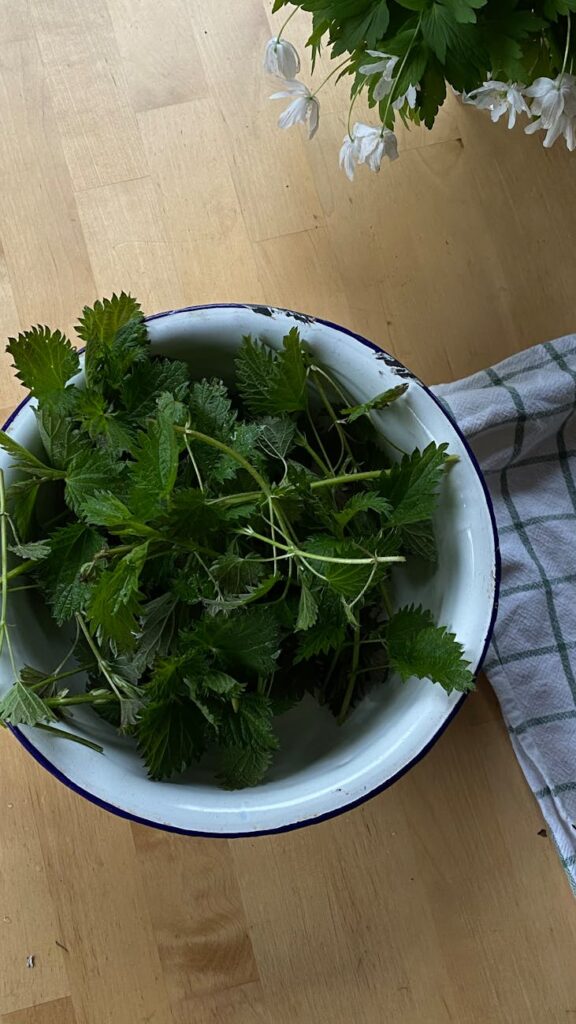
Nettles Cultivation Explained
Introduction
Nettles, scientifically known as Urtica dioica, are perennial plants renowned for their unique flavor profile and nutritional benefits. Recognized for their stinging hairs that deliver a sharp sensation when touched, these plants have been cultivated for centuries for various uses, including culinary applications, textile production, and medicinal purposes. This article aims to provide an in-depth exploration of nettle cultivation, covering aspects from history to practical applications.
What Is Growing?
Growing refers to the agricultural practice of cultivating plants to produce food, fibers, or other products. In the context of nettles, growing involves understanding the plant’s lifecycle, ideal growing conditions, and maintenance requirements. Nettles thrive in rich, damp, and nitrogen-rich soils, making them particularly suited for areas with a moist climate. They can be grown in gardens, farms, or even in controlled environments, provided that their needs for sunlight, moisture, and nutrients are met.
History and Origins
Nettles have a storied history that dates back thousands of years. Originating in Europe, Asia, and North America, these plants were first utilized by ancient civilizations for their fibers, which were woven into textiles. The Romans and Celts recognized nettles for their nutritional value, often incorporating them into their diets during times of scarcity.
As agriculture evolved, so did the cultivation of nettles. They became a staple in many traditional diets and were often used in the production of cordage and clothing. In folklore, nettles were seen as symbols of protection and healing. Today, they are experiencing a renaissance in both culinary and holistic circles, as more people discover their versatility and benefits.
Production and Processing
Cultivation Techniques
Nettle cultivation begins with selecting the right location. Ideally, nettles prefer partial shade to full sun and thrive in well-drained, fertile soil rich in organic matter. They can be propagated through seeds or root cuttings. Seeds should be sown in early spring or late summer, while root cuttings can be taken from established plants.
Watering and Fertilization
Nettles require consistent moisture to flourish. Regular watering is crucial, especially in dry spells. Fertilization can be achieved through organic compost or well-rotted manure, adding nutrients required for healthy growth. Over-fertilization should be avoided, as it can lead to excessive leaf growth at the expense of flavor.
Pest Management
While nettles are relatively resilient, they can occasionally fall prey to pests such as aphids and spider mites. Organic pest control methods, including neem oil or insecticidal soap, are effective for managing these threats without harming beneficial insects. Regular monitoring and maintenance are essential for preventing infestations.
Harvesting Techniques
Harvesting nettles should be done with care to avoid the plant’s stinging hairs. Typically, the young leaves and tops are harvested in spring and early summer when they are most tender and flavorful. Wearing gloves is crucial during this process. After harvesting, the nettles may be rinsed and processed immediately to preserve their freshness.
Quality and Grading
The quality of nettles is determined by several factors, including size, color, and freshness. High-quality nettles should have vibrant green leaves without any signs of wilting or discoloration. Grading can be subjective, but generally, larger, younger leaves are considered more desirable for culinary purposes. A meticulous approach to harvesting and handling can significantly enhance the final product’s quality.
Buying Considerations
When purchasing nettles, whether fresh or dried, it is essential to consider several factors:
1. Source: Look for reputable suppliers, preferably organic growers who adhere to sustainable practices.
2. Freshness: Fresh nettles should be bright green, firm, and free of blemishes.
3. Processing: If buying dried nettles, check for proper drying methods that preserve flavor and nutrients.
4. Packaging: Ensure that the product is well-packaged to avoid contamination and moisture exposure.
Uses and Applications
Nettles have a wide range of uses, spanning culinary, nutritional, and industrial applications.
Culinary Uses
In the culinary world, nettles can be used in a variety of dishes, including soups, stews, and teas. They are often compared to spinach due to their robust flavor and nutritional density. When cooked, the stinging hairs become harmless, allowing the leaves to be enjoyed safely.
Nutritional Benefits
Nettles are rich in vitamins A, C, K, and several B vitamins, along with essential minerals like iron, calcium, and magnesium. Their high protein content and antioxidant properties make them a valuable addition to any diet.
Industrial Uses
Beyond culinary applications, nettles have been utilized in the textile industry. The fibers extracted from the stems can be woven into durable fabrics. Historically, nettle fibers were used in clothing and ropes, and today, there is renewed interest in sustainable fashion utilizing this eco-friendly material.
Storage and Shelf Life
Fresh nettles should be stored in the refrigerator, ideally wrapped in a damp cloth or placed in a perforated plastic bag to maintain moisture. They typically last for about 5 to 7 days when stored properly. Dried nettles, on the other hand, can be stored in an airtight container in a cool, dark place, where they can retain their quality for up to a year.
Common Misconceptions
Despite their many benefits, nettles are often misunderstood. One common misconception is that they are merely weeds with no value. In reality, nettles are nutrient-rich and offer a wide range of culinary possibilities. Another myth is that nettles are dangerous to consume. While their stinging hairs can cause discomfort, cooking or drying the leaves neutralizes this effect, making them safe and enjoyable to eat.
Frequently Asked Questions
1. Are nettles edible?
Yes, nettles are edible and are commonly used in