
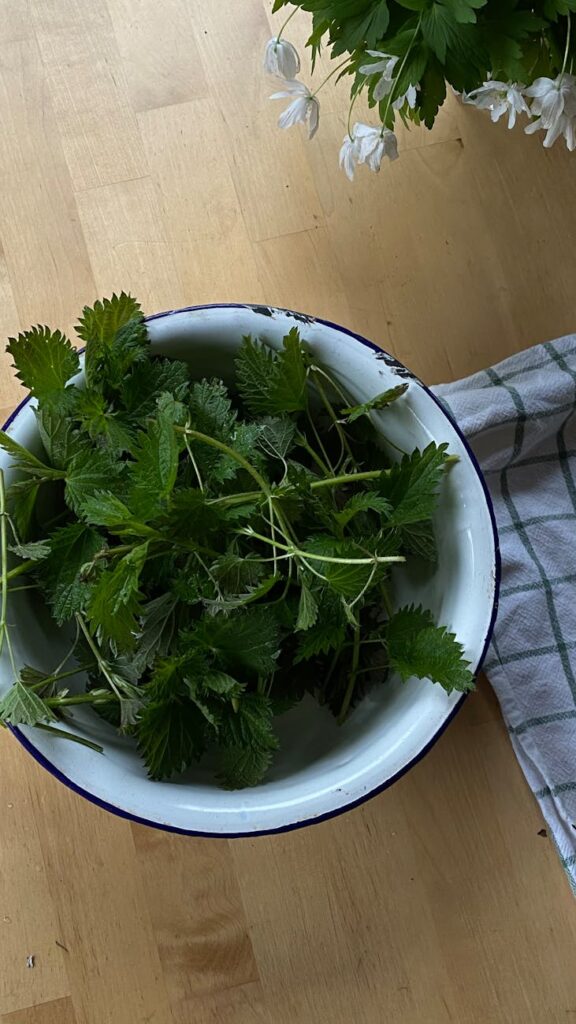
Nettles Myths and Misconceptions
Introduction
Nettles, particularly the common nettle (Urtica dioica), have long been a subject of intrigue, curiosity, and even fear. Known for their stinging properties, these green plants often find themselves subjected to myths and misconceptions that overshadow their culinary and medicinal potential. This article aims to unravel the truth behind nettles, offering an in-depth exploration of their history, production, uses, and the common myths that surround them.
What Is Guides?
Guides are comprehensive resources designed to educate individuals about various food ingredients, their characteristics, and applications. In the case of nettles, guides could encompass information on their nutritional profile, culinary uses, and the environmental impacts of foraging or farming them. By demystifying nettles, guides can empower consumers to make informed choices and appreciate the rich history and versatility of this often-overlooked ingredient.
History and Origins
Nettles have a rich history that dates back thousands of years. Archaeological evidence suggests that they were among the first plants cultivated by humans, primarily for their fibrous stalks used in textiles. Ancient cultures, including the Romans and Greeks, recognized the plant’s nutritional value and medicinal properties. In Europe, nettles were commonly used in traditional medicine, while in Asia, they were often employed in various culinary dishes.
In addition to their historical utility, nettles have played a role in folklore and traditional practices. Many cultures viewed nettles as a symbol of protection and strength, and they were often associated with resilience due to their ability to thrive in challenging conditions. Today, nettles continue to be valued not only for their nutritional benefits but also for their ecological importance, supporting biodiversity and serving as a food source for various insects.
Production and Processing
Nettles can be harvested wild or cultivated. Wild harvesting generally occurs in spring, when the young leaves are tender and nutrient-rich. However, for commercial production, controlled farming is becoming increasingly popular due to the demand for sustainable and organic ingredients.
Processing nettles usually involves washing them to remove dirt and impurities, followed by blanching to neutralize their sting. This simple process renders them safe for consumption while retaining their nutritional properties. After blanching, nettles can be dried, frozen, or used fresh in a variety of culinary applications.
Farmers often employ organic practices, given the increasing consumer demand for clean, sustainable food sources. This focus on natural production methods helps preserve the ecological balance and ensures high-quality nettles.
Quality and Grading
The quality of nettles can vary based on several factors, including the method of cultivation, the time of harvesting, and the processing techniques employed. High-quality nettles are typically vibrant green, tender, and free from blemishes. When purchasing dried nettles, consumers should look for products that have been carefully processed to retain their color and nutritional content.
In the culinary world, grading is not as formalized for nettles as it is for other ingredients, such as spices or herbs. However, producers may categorize their nettles based on freshness, size, and overall appearance. Consumers should seek reputable sources, whether for fresh or dried nettles, to ensure they are buying high-quality products.
Buying Considerations
When purchasing nettles, several factors merit consideration to ensure quality and sustainability. If opting for fresh nettles, look for vibrant, bright green leaves without signs of wilting or browning. The stems should be firm and not overly fibrous.
For dried nettles, check the packaging for indications of minimal processing and organic certification. Avoid products that contain additives or preservatives. If possible, buy from local farmers or trusted suppliers who practice sustainable harvesting methods.
Additionally, consider the seasonality of nettles. Fresh nettles are typically available in spring, while dried varieties can be found year-round. Understanding the seasonal availability can enhance the culinary experience and ensure that you are consuming nettles at their peak nutritional value.
Uses and Applications
Nettles boast a wide range of uses, both culinary and non-culinary. In the kitchen, they can be used in soups, stews, and sauces, imparting a unique flavor profile that complements other ingredients. They can also be prepared similarly to spinach, sautéed with garlic, or blended into smoothies for an added nutrient boost.
Beyond culinary applications, nettles have been used in traditional medicine and herbal remedies. Their fibrous stalks have historically been utilized for making textiles, ropes, and paper, showcasing their versatility as a natural resource. Additionally, nettle tea is a popular beverage, appreciated for its earthy flavor and potential health benefits.
Nettles also play a crucial ecological role. They are a food source for various insects and birds, contributing to biodiversity. Their deep roots help improve soil quality, making them beneficial for sustainable gardening practices.
Storage and Shelf Life
Fresh nettles should be stored in the refrigerator, ideally wrapped in a damp paper towel and placed in a breathable bag to retain moisture. They are best consumed within a week of harvest to ensure optimal freshness and nutritional value.
Dried nettles, on the other hand, have a longer shelf life and can be stored in a cool, dark place in an airtight container. When properly stored, dried nettles can last for up to a year, although their flavor and nutritional content may gradually diminish over time. For best results, use dried nettles within six months for maximum flavor and potency.
Common Misconceptions
Despite their nutritional benefits and culinary versatility, nettles are often misunderstood. Here are some prevalent misconceptions:
1. Nettles Are Just Weeds: While nettles can proliferate in gardens and wild areas, they are far more than mere weeds. They are edible and nutritious, offering a range of vitamins and minerals.
2. Nettles Are Dangerous to Eat: The stinging properties of nettles can deter people from consuming them