
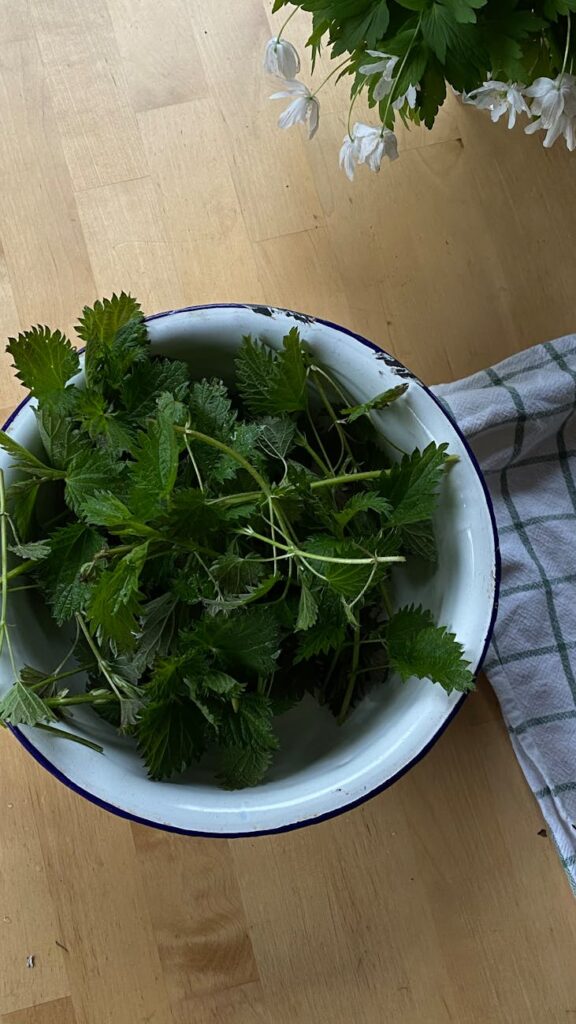
Nettles: Origins and Evolution
Introduction
Nettles, often perceived as a mere nuisance in gardens and natural landscapes, are a versatile ingredient with a rich history and diverse applications. Known scientifically as Urtica dioica, these plants have been utilized for centuries across various cultures for their nutritional, culinary, and medicinal properties. This article delves into the origins, evolution, and multifaceted uses of nettles, providing a comprehensive understanding of this remarkable ingredient.
What Is About?
The term “About” in this context refers to a comprehensive exploration of nettles, encompassing their biological characteristics, historical significance, cultural relevance, and practical applications. By examining nettles through these multiple lenses, we gain insight into how they have evolved from a humble weed into a celebrated ingredient in various culinary traditions.
History and Origins
Nettles are believed to have originated in Europe and Asia, with evidence of their use dating back over 2,000 years. Ancient civilizations, including the Romans and Greeks, recognized their utility. The Romans utilized nettles as a fiber source for textiles, while Greek physicians valued them for their purported health benefits.
In medieval Europe, nettles became a staple food source during the spring and early summer months when other vegetables were scarce. They were often consumed in soups and stews or dried for later use. The plant’s ability to thrive in diverse environments contributed to its widespread presence across the continent.
The industrial revolution saw a decline in the use of nettles as the focus shifted toward more commercially viable crops. However, the late 20th and early 21st centuries witnessed a resurgence of interest in foraged foods, leading to a renewed appreciation for nettles and their culinary potential.
Production and Processing
Nettles are typically found in temperate regions, thriving in moist, nitrogen-rich soils. They are often harvested in the spring when the leaves are young and tender, which is when their flavor is at its peak. Harvesting is usually done by hand, as wearing gloves is essential to avoid the plant’s stinging hairs, which can cause mild irritation.
Once harvested, nettles can be processed in various ways. They are often blanched to neutralize their sting and enhance their flavor. After blanching, nettles can be frozen, dried, or used fresh in a variety of dishes. The drying process is particularly important for preserving their nutritional value, allowing them to be stored and utilized throughout the year.
Quality and Grading
The quality of nettles can vary based on several factors, including the location where they are grown, the time of harvest, and the processing methods used. Fresh nettles should be vibrant green, with no signs of yellowing or wilting. The leaves should be soft and pliable, indicating they are young and tender.
When purchasing dried nettles, look for a rich green color, which signifies proper drying techniques. High-quality dried nettles should have a fragrant aroma and retain most of their nutritional properties. It is advisable to source nettles from reputable suppliers who adhere to sustainable harvesting practices.
Buying Considerations
When considering the purchase of nettles, several factors should be kept in mind:
1. Fresh vs. Dried: Fresh nettles are available primarily in spring and early summer, while dried nettles can be found year-round. The choice depends on intended use—fresh for culinary applications and dried for long-term storage.
2. Sourcing: Look for organic or sustainably harvested nettles, as these options are less likely to contain pesticides or harmful chemicals.
3. Packaging: For dried nettles, choose products that are packaged in opaque containers to protect them from light, which can degrade their quality over time.
4. Local Foraging: If you are adventurous, consider foraging for nettles in the wild. However, be sure to follow local guidelines and regulations regarding foraging, and always wear gloves while handling them.
Uses and Applications
Nettles are incredibly versatile and can be used in various culinary applications. Some common uses include:
- Soups and Stews: Nettles can be added to soups and stews, providing a nutritious boost and unique flavor profile.
- Pesto and Sauces: Blanched nettles can be blended into pestos or sauces, offering a vibrant green color and earthy flavor.
- Salads: Young, tender nettle leaves can be added to salads for a fresh, slightly peppery taste.
- Tea: Dried nettles can be steeped to create a herbal tea, known for its rich earthy flavor and nutritional benefits.
Beyond culinary uses, nettles have applications in textiles and natural dyes. Historically, they were woven into fabrics and used to produce green dyes, showcasing their versatility beyond the kitchen.
Storage and Shelf Life
Fresh nettles should be stored in a cool, dry place, ideally in the refrigerator, where they can last for up to a week. To prolong their freshness, they can be wrapped in a damp paper towel and placed in a plastic bag.
Dried nettles, when stored in an airtight container in a cool, dark place, can last for up to a year. It is crucial to keep them away from moisture, which can lead to mold and spoilage. Regularly check stored nettles for any signs of deterioration.
Common Misconceptions
Despite their rich history and diverse applications, nettles are often misunderstood. Here are some common misconceptions:
1. Nettles Are Only Weeds: While nettles are commonly found growing wild, they are far more than just weeds. Their culinary and nutritional value places them in a category of highly regarded ingredients.
2. All Nettles Are Stinging: While the most recognized species, Urtica dioica, is indeed stinging, there are non-stinging varieties, such as Urtica galeopsifolia.
3. Nettles