
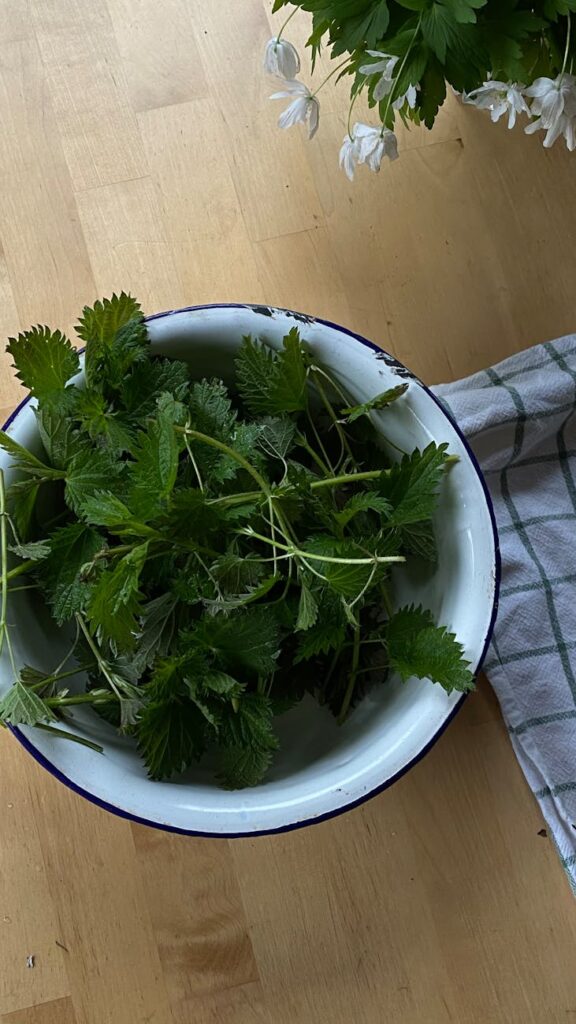
Nettles Production by Country
Introduction
Nettles, particularly the species Urtica dioica, are often viewed as a nuisance in gardens and fields; however, they are a highly versatile ingredient used across various culinary and industrial applications. This article delves into the global production of nettles, highlighting the regions where they thrive, the historical context of their cultivation, and the intricacies of their processing and quality grading. By understanding these elements, we can better appreciate the role of nettles in our food systems and beyond.
What Is Regions?
In the context of nettle production, “regions” refers to the geographical areas where nettles are cultivated or harvested, each characterized by unique climatic conditions, soil types, and agricultural practices. These regions can significantly influence the quality, flavor, and nutritional properties of nettles. Understanding the specific characteristics of nettle-producing countries helps in recognizing the diverse applications of this ingredient and the cultural significance it holds in various cuisines.
History and Origins
Nettles have a rich history that dates back thousands of years. Archaeological evidence suggests that they were used by ancient civilizations for food, textiles, and medicinal purposes. Originally native to Europe, Asia, and North America, nettles were widely foraged before the advent of agriculture. The plant’s fibers were utilized in making textiles, while its leaves served as a nutritional supplement.
Through the centuries, nettles have maintained their presence in traditional cuisine, especially in Europe. Countries such as Italy and the United Kingdom have integrated nettles into their culinary practices, often using them in soups, stews, and herbal teas. Today, the global interest in organic and foraged foods has led to a renaissance of nettles, reviving old traditions and expanding their use.
Production and Processing
Global Overview
Nettle production is predominantly found in temperate regions, with significant cultivation occurring in countries like Italy, Poland, the United Kingdom, and Germany. The plant thrives in moist, nitrogen-rich soils, often found in disturbed areas, forests, and along roadsides.
Country Specifics
- Italy: Italy is one of the leading producers of nettles, particularly in the northern regions such as Trentino-Alto Adige and Friuli Venezia Giulia. Here, nettles are harvested both from the wild and cultivated farms. The mild climate and rich soil contribute to the robust flavor profile of Italian nettles.
- Poland: Poland has a rich tradition of harvesting wild nettles, which are collected in the spring. The country’s diverse ecosystems allow for high yields, and nettles are often processed into dried forms for use in herbal teas and supplements.
- United Kingdom: Nettles have a long-standing presence in British cuisine, especially in rural areas. The UK produces both wild-harvested and cultivated nettles, which are often used in soups and traditional dishes. The focus on sustainability has led to an increase in nettle foraging.
- Germany: In Germany, nettles are cultivated in both gardens and farms. They are often associated with health foods and are included in various organic product lines. The processing of nettles into powder and tea is common, capitalizing on the health-conscious market.
- Color: Fresh nettles should have a bright green color, indicating vitality and freshness. Dried nettles should retain a deep green hue.
- Texture: Young leaves should be tender and pliable, while older leaves may be tougher and less desirable.
- Flavor Profile: High-quality nettles possess a rich, earthy flavor with slight herbaceous notes. Off-flavors may indicate poor handling or age.
- Source: Opt for nettles sourced from reputable producers who prioritize sustainable harvesting practices.
- Form: Decide between fresh, dried, or powdered nettles based on your intended use. Fresh nettles are ideal for immediate culinary applications, while dried or powdered forms are suitable for long-term storage.
- Organic Certification: If possible, choose organic nettles to ensure that they are free from pesticides and synthetic fertilizers, which can affect both flavor and health benefits.
- Seasonality: Fresh nettles are typically available in spring and early summer. Off-season purchases may involve dried or frozen options.
- Soups and Stews: Nettles are commonly used in soups, where their flavor melds beautifully with other ingredients.
- Herbal Teas: Dried nettles are a popular ingredient in herbal teas, prized for their nutritional benefits.
- Pasta and Pesto: In Italian cuisine, nettles can be blended into pesto or incorporated into pasta dishes for added flavor and color.
Processing Techniques
Once harvested, nettles undergo several processing stages depending on their end use. Fresh nettles can be blanched to neutralize their stinging properties and then dried for long-term storage. Alternatively, they may be processed into powders or extracts for use in health supplements.
The drying process is crucial for preserving the flavor and nutritional value of nettles. Typically, they are dried at low temperatures to retain their beneficial compounds, including vitamins A and C, iron, and calcium.
Quality and Grading
The quality of nettles is determined by several factors, including their age at harvest, the time of year, and the processing methods used. Young nettle leaves, typically collected in early spring, are considered the highest quality due to their tender texture and vibrant flavor.
Grading Criteria
Grading systems may vary by country and intended use, with some producers adhering to organic certifications that further ensure quality and sustainability.
Buying Considerations
When purchasing nettles, whether fresh, dried, or processed, several factors should be considered:
Uses and Applications
Nettles are incredibly versatile and can be utilized in various culinary and industrial applications:
Culinary Uses
Industrial Applications
Beyond culinary uses, nettles