
Nori About Guide Part 6
Introduction
Nori, a staple in Japanese cuisine, is a type of edible seaweed that has transcended its cultural roots to gain global popularity. Commonly associated with sushi, nori has become a versatile ingredient used in various dishes, snacks, and culinary applications. This guide aims to provide a comprehensive overview of nori, covering its history, production methods, quality assessments, and more, to enhance your understanding of this fascinating ingredient.
What Is Nori?
Nori is derived from several species of red algae, primarily from the genus Porphyra. It is harvested, processed, and dried into thin sheets, which are used primarily in sushi rolls, but also serve as a flavorful addition to soups, salads, and other dishes. The culinary use of nori is not limited to Japanese cuisine; it has found a place in fusion dishes and snacks across various cultures.
History and Origins
The history of nori dates back over a thousand years, with its first documented use in Japan during the Heian period (794-1185). Initially, nori was harvested from the wild and consumed primarily by coastal communities. It was not until the Edo period (1603-1868) that nori began to be cultivated systematically. The innovative cultivation methods developed during this time laid the groundwork for the modern nori industry.
Today, Japan remains the largest producer of nori, although cultivation has spread to other countries, including South Korea and China. The rise in popularity of sushi worldwide has significantly increased the demand for nori, leading to advancements in farming and processing techniques.
Production and Processing
The production of nori involves several key stages: harvesting, drying, and processing.
Harvesting
Nori is typically harvested in the spring and fall when the water temperature and nutrient availability are optimal for growth. The algae are cultivated on nets or bamboo rafts submerged in coastal waters. After a growth period of about 30-60 days, the mature seaweed is harvested by hand or with specialized machinery.
Drying
Once harvested, the nori is washed to remove impurities and excess salt. It is then spread into thin sheets and dried, traditionally using sunlight. However, modern production often employs mechanical drying methods to ensure consistency and quality. The drying process is crucial, as it affects the flavor, texture, and shelf life of the final product.
Processing
After drying, the nori sheets are toasted to enhance their flavor and make them more pliable. This process can also improve the nutrient profile of the seaweed. The toasted nori is then cut into various sizes and packaged for sale.
Quality and Grading
The quality of nori is determined by several factors, including color, aroma, texture, and taste. High-quality nori sheets exhibit a deep green to black color, with a slightly shiny surface. They should have a fresh, oceanic aroma and a crisp texture that crumbles easily when handled.
Nori is graded based on its quality, with classifications ranging from “A” to “D.” Grade A nori is the highest quality, suitable for sushi preparation, while lower grades may be used for snacks or as culinary ingredients in cooked dishes. Factors such as the harvesting location and processing conditions also influence the grade.
Buying Considerations
When purchasing nori, there are several aspects to consider:
Type
Nori is available in various forms, including sheets, flakes, and strips. Sheets are the most common form used for sushi, while flakes can be sprinkled over dishes for added flavor.
Packaging
Look for nori that is vacuum-sealed to preserve freshness and prevent moisture absorption. Check the expiration date to ensure that you are buying a fresh product.
Source
Consider the origin of the nori. Japanese nori is often regarded as the highest quality due to the traditional cultivation and processing methods. However, high-quality nori is also produced in South Korea and China.
Price
While higher-priced nori often correlates with better quality, it’s essential to read reviews and check for certifications to ensure you are getting a product that meets your expectations.
Uses and Applications
Nori’s applications extend far beyond sushi. Here are some common uses:
Sushi
Nori is most famously used as a wrapping for sushi rolls, providing structural integrity and flavor.
Snacks
Toasted nori sheets can be enjoyed as a healthy snack on their own or flavored with seasonings. Nori chips have become popular in health-conscious markets.
Soups and Salads
Nori can be used to enhance the umami flavor in soups or salads. It can be shredded and added to miso soup or used as a garnish.
Culinary Ingredient
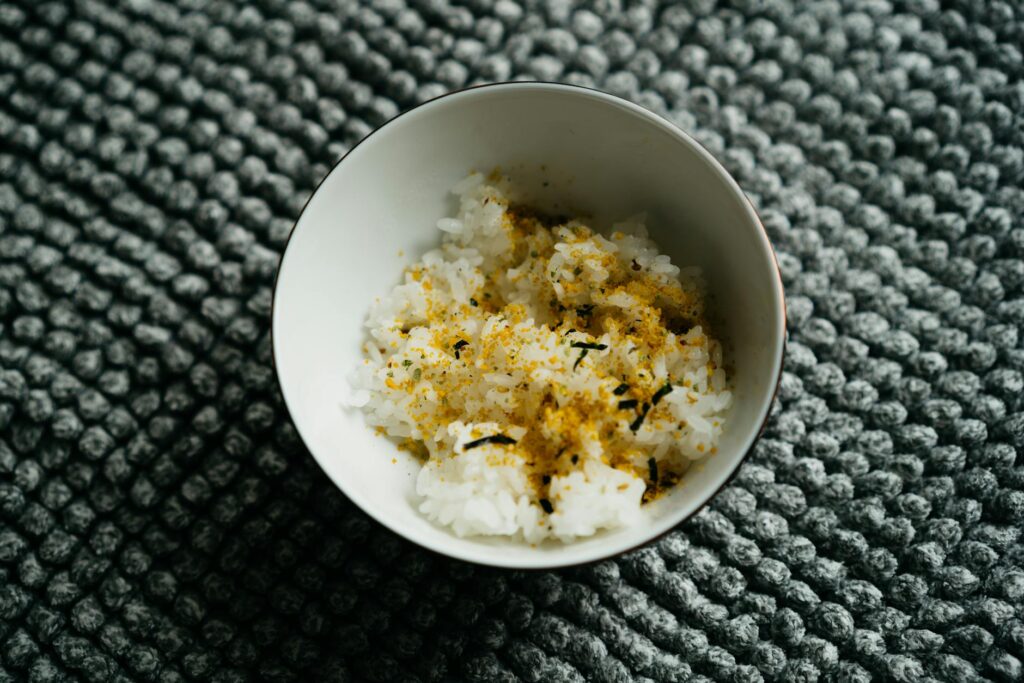
Nori flakes can be incorporated into various dishes, such as rice, pasta, or vegetable dishes, for added flavor and nutritional benefits.
Storage and Shelf Life
Proper storage is crucial for maintaining the quality of nori. It is best kept in a cool, dry place, away from direct sunlight and moisture. Once opened, nori should be stored in an airtight container to prevent it from becoming stale or losing its crispness.
The shelf life of nori can vary based on its processing method and packaging but is generally around 6 to 12 months when stored correctly. Always check for any signs of spoilage, such as an off smell or discoloration, before use.
Common Misconceptions
Nori Is Just Seaweed
While nori is a type of seaweed, its processing and culinary applications are unique. Not all seaweeds are suitable for consumption in the same way that nori is.
Nori Is Unhealthy
Nori is often viewed as a health food, rich in vitamins and minerals, including iodine, protein, and omega-3 fatty acids. However, moderation is key, as excessive consumption may lead to a high