
Nori Around the World
Introduction
Nori, a type of edible seaweed, has become a staple ingredient in various cuisines across the globe, particularly within Japanese culinary traditions. Renowned for its unique umami flavor and versatility, nori is most commonly recognized as the wrap for sushi. However, its applications extend far beyond this popular dish. This article aims to explore the different regions where nori is cultivated, its historical significance, production methods, and its numerous culinary uses. We will also address common misconceptions, buying considerations, and storage tips to help consumers make informed choices.
What Is Nori?
Nori is a type of red algae belonging to the genus Porphyra. It thrives in coastal waters and is primarily harvested for its nutritional value and culinary applications. The seaweed is typically dried and processed into thin sheets, which can be used in various dishes. Nori is rich in vitamins and minerals, making it a sought-after addition to diets around the world.
History and Origins
The cultivation and consumption of nori trace back centuries, predominantly in Japan. Historical records indicate that nori was first harvested along the shores of Japan as early as the 8th century. Initially, this seaweed was consumed in its natural form, but over time, it evolved into a carefully processed product.
In the early Edo period (1603-1868), the method of drying and pressing nori into sheets was developed. This innovation significantly enhanced its preservation and usability, allowing nori to become a versatile ingredient in Japanese cuisine. It was during this time that nori gained popularity not only in Japan but also in other regions of Asia, such as Korea and China.
As global culinary exchanges intensified in the late 20th century, nori found its way into international cuisine, particularly through the sushi boom in North America and Europe. Today, nori is enjoyed worldwide, transcending its traditional roots.
Production and Processing
The cultivation of nori primarily occurs in coastal regions with clean, nutrient-rich waters. The primary countries producing nori include Japan, South Korea, China, and Taiwan.
Cultivation
Nori cultivation involves a series of intricate steps. The process begins with the seeding of Porphyra spores onto nets or ropes submerged in seawater. These spores attach themselves and grow into mature algae over several weeks. The optimal water temperature for growth is typically between 10 to 20 degrees Celsius.
Once the nori reaches maturity, it is harvested, usually by hand, to maintain quality. The harvested seaweed is then washed to remove impurities before being processed.
Processing
The processing of nori involves several stages:
1. Drying: After washing, the nori is spread out and dried using either sunlight or machines. This step is crucial for preserving the flavor and nutritional value.
2. Shredding: Once dried, the nori is shredded into smaller pieces or sheets.
3. Toasting: Many nori sheets are lightly toasted to enhance their flavor and texture. This step is particularly popular in Japan, where toasted nori is often served alongside rice dishes.
4. Packaging: The final product is packaged under controlled conditions to prevent moisture absorption and ensure longevity.
Quality and Grading
The quality of nori can vary significantly based on several factors, including the region of cultivation, harvesting methods, and processing techniques. In Japan, nori is categorized into grades such as:
- A Grade: The highest quality, characterized by a rich green color, a pleasant aroma, and a crisp texture.
- B Grade: Good quality but may have slight imperfections in color or texture.
- C Grade: Lower quality, often used for ingredients in processed foods rather than as a standalone item.
- Sushi and Sashimi: The most recognized application, nori is used to wrap sushi rolls and can also serve as a garnish for sashimi.
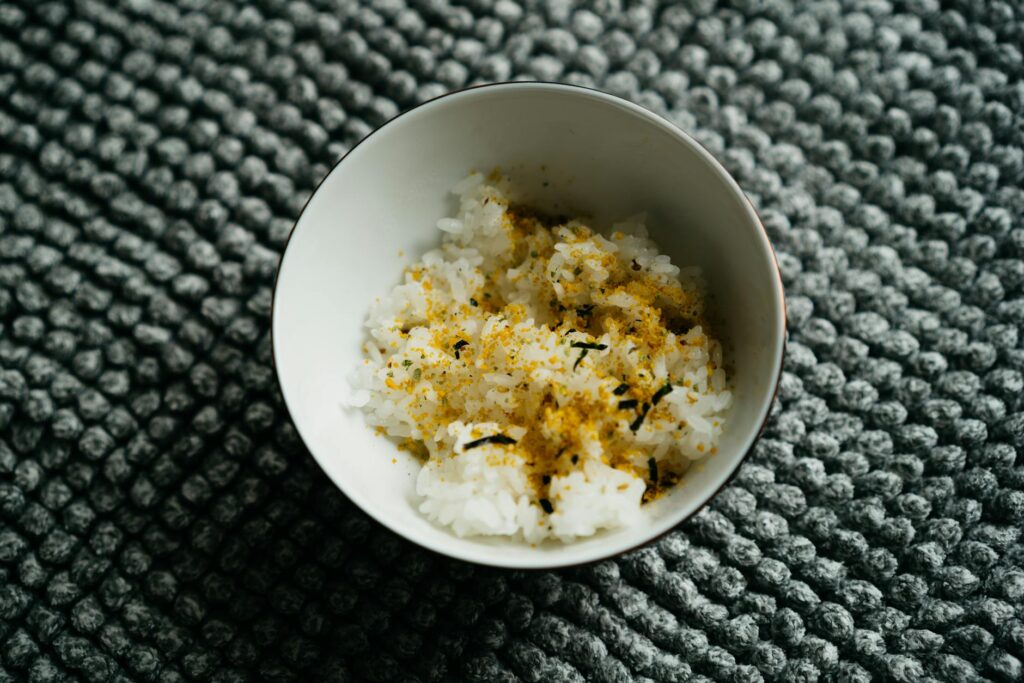
- Rice Dishes: Nori can be crumbled over rice dishes to add flavor and nutritional value.
- Soups and Broths: Shredded nori can enhance the flavor profile of soups, especially in Japanese cuisine.
- Snacks: Nori sheets are often enjoyed as a healthy snack, either plain or seasoned with various flavors.
- Salads and Wraps: Crumbled nori can be sprinkled over salads or used to wrap other ingredients in a creative twist on traditional wraps.
- Fusion Cuisine: Nori has found its way into various fusion dishes, including tacos, burgers, and salads, showcasing its versatility.
- Keep it Dry: Nori is highly susceptible to moisture, which can lead to loss of crispness and flavor. Store it in an
In addition to these grades, nori is often inspected for its nutrient content, ensuring that it meets consumer expectations for flavor and health benefits.
Buying Considerations
When purchasing nori, several factors should be considered to ensure the best quality and flavor:
1. Origin: Look for nori sourced from reputable regions known for high-quality production, such as Japan or Korea.
2. Grade: Opt for higher-grade nori for sushi and other delicate dishes, while lower grades may be suitable for cooking applications.
3. Packaging: Choose nori that is sealed in airtight packaging to maintain freshness and prevent moisture absorption.
4. Color and Texture: High-quality nori should have a vibrant green color and a crisp texture. Avoid sheets that appear dull or have a brittle texture.
5. Toasted vs. Untoasted: Depending on your culinary needs, you may prefer toasted nori for added flavor or untoasted nori for its versatility in various dishes.
Uses and Applications
Nori’s culinary applications are vast, extending beyond sushi. Here are some popular uses:
Storage and Shelf Life
To maintain the quality and flavor of nori, it is essential to store it properly.