
Nori Growing Guide Part 6
Introduction
Nori, a staple in Japanese cuisine, is an edible seaweed that has gained global popularity for its unique flavor and versatility. Often associated with sushi, nori serves a much broader range of culinary applications, from snacks to garnishes. This guide delves into the intricate process of growing nori, offering a comprehensive examination of its history, production, quality, and uses. Understanding the nuances of nori cultivation not only enriches culinary knowledge but also enhances appreciation for this remarkable ingredient.
What Is Growing?
In the context of nori, “growing” refers to the cultivation of the red algae species Pyropia, also known as Porphyra, which is harvested for its edible sheets. Growing nori involves a specialized aquaculture process that harnesses natural marine environments, as well as controlled farming techniques. The cultivation requires an intricate balance of environmental factors, including water temperature, salinity, and light, to produce high-quality nori. It is a sustainable practice that has been refined over centuries, making it a vital component of marine agriculture.
History and Origins
The history of nori dates back over a thousand years in Japan, with its earliest recorded use during the Heian period (794-1185). Originally, nori was gathered from the wild, particularly from rocky coastal areas of Japan, where it grew on submerged rocks. Over time, the demand for nori surged, leading to the development of cultivation techniques. By the Edo period (1603-1868), nori farming had become a well-established industry, particularly in regions like Nagasaki and Kumamoto.
The cultivation methods evolved significantly, particularly post-World War II, when advances in aquaculture technology allowed for more efficient production. Today, nori is not only produced in Japan but is also cultivated in other countries, including South Korea, China, and the United States, making it a truly global ingredient.
Production and Processing
The production of nori is a meticulous process that typically involves the following stages:
1. Cultivation
Nori is primarily cultivated in coastal waters on floating nets or ropes. The growing season varies by region but usually occurs in cooler months when conditions are optimal for the growth of red algae. The propagation process often begins with the seeding of sporelings onto nets, where they can grow in a controlled marine environment.
2. Harvesting
Harvesting occurs when the nori reaches a certain size, typically between 30 to 40 days after seeding. Farmers carefully collect the nori, ensuring minimal damage to the plant and the surrounding ecosystem.
3. Washing and Draining
Once harvested, the nori undergoes a thorough washing process to remove any impurities, sand, or unwanted marine life. After washing, the nori is drained to reduce moisture content.
4. Drying
The cleaned nori is then spread out on drying racks or sheets, often exposed to sunlight. This drying process is critical for preserving the flavor and texture of the nori. In some cases, mechanical dryers are used to ensure consistent results.
5. Toasting (Optional)
Some producers opt to toast the nori to enhance its flavor and make it more palatable for various culinary applications. This step is especially common for nori intended for sushi.
6. Cutting and Packaging
Finally, the dried nori is cut into sheets and packaged for distribution. Quality control measures are often implemented at this stage to ensure that only the best products reach consumers.
Quality and Grading
The quality of nori is assessed based on several factors, including:
- Color: High-quality nori should exhibit a vibrant green to dark purple hue, indicating freshness and proper drying.
- Texture: A crisp, brittle texture signifies well-processed nori. If it feels rubbery or soggy, it may be of lower quality.
- Flavor: Premium nori has a rich umami flavor with a slight sweetness, while inferior varieties may taste bland or overly salty.
- Grading: Nori is typically graded into several categories, ranging from A (highest quality) to C (lowest quality), based on the aforementioned criteria.
- Source: Look for nori that is sourced from reputable producers known for sustainable practices. This can often be found on the packaging or through the brand’s website.
- Type: Nori is available in various forms, including sheets, flakes, and snacks. Choose the type that best suits your intended use.
- Packaging: Opt for nori that is vacuum-sealed or packaged in airtight containers to maintain freshness. Exposure to air can lead to staleness and loss of flavor.
- Certification: Organic or sustainably harvested certifications can be indicators of quality and environmental responsibility.
- Expiration Date: Always check the expiration date to ensure you are purchasing fresh nori.
- Sushi: Perhaps its most famous use, nori serves as the outer layer of sushi rolls, holding together rice and fillings.
- Snacks: Nori is often roasted and seasoned to create healthy snacks, appealing to health-conscious consumers.
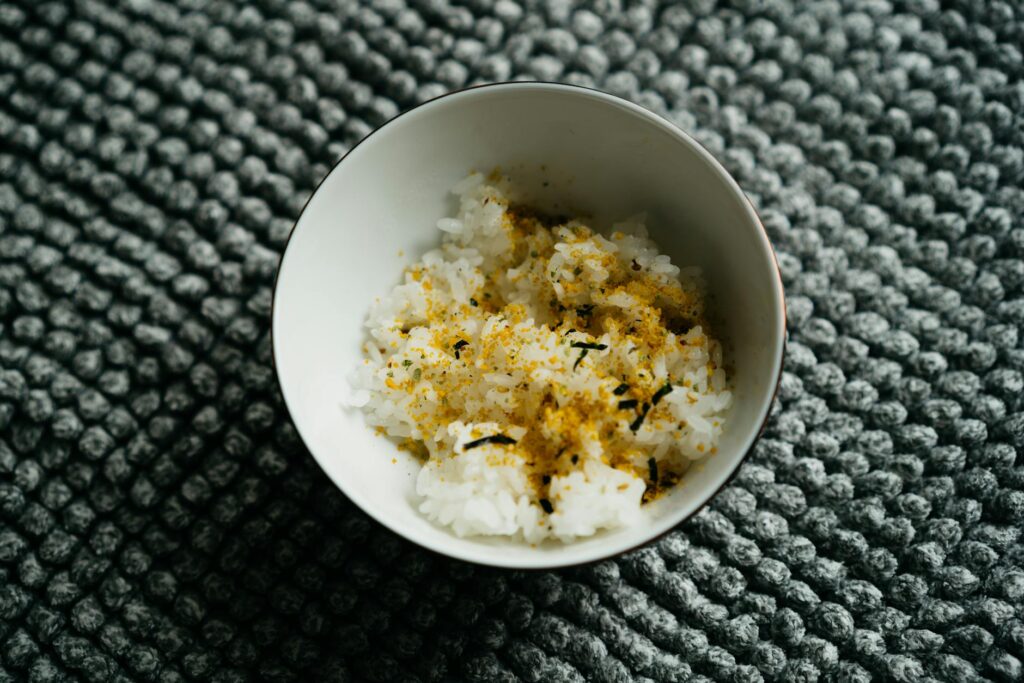
- Garnishes: Crumbled nori can be used as a flavorful garnish for soups, salads, and rice dishes.
- Wraps: Nori can serve as a low-carb alternative to traditional wraps for sandwiches and burritos.
- Soups and Broths: Nori adds depth and umami to broths, enhancing the overall flavor profile of soups.
When purchasing nori, consumers should familiarize themselves with these grading systems to ensure they select the best quality for their culinary needs.
Buying Considerations
When buying nori, consider the following aspects:
Uses and Applications
Nori is a versatile ingredient with numerous culinary applications, including:
As nori becomes increasingly popular outside of traditional Japanese