
Nori Guides Guide Part 6
Introduction
Nori, the thin, edible seaweed sheets, has become an essential ingredient in various cuisines, particularly in Japanese dishes like sushi and onigiri. While many are familiar with nori as a staple in sushi rolls, its versatility extends far beyond that. This article serves as a comprehensive guide to nori, detailing its history, production methods, quality indicators, and various applications. With a focus on educating consumers and culinary enthusiasts alike, this guide aims to enhance your understanding of this unique ingredient.
What Is Nori?
Nori is a type of seaweed belonging to the red algae family, specifically the genus Porphyra. Its characteristic dark green to black color and crispy texture make it easily recognizable. Nori is harvested from ocean waters, then dried and processed into sheets or flakes, which are commonly used in a variety of dishes. Traditionally associated with Japanese cuisine, nori has gained international popularity, appearing in everything from sushi to snacks and seasonings.
History and Origins
The use of nori dates back over a thousand years, with its origins traced to Japan. Historical records indicate that nori was first cultivated in the 8th century, primarily along the shores of Japan. The word “nori” itself is derived from the Japanese term for seaweed, and its consumption has evolved significantly over the centuries.
During the Edo period (1603–1868), nori harvesting became a commercial enterprise, particularly in regions like Edo (now Tokyo) and the Ibaraki Prefecture. The introduction of cultivation techniques in the 17th century allowed for more sustainable production, leading to the widespread availability of nori.
Today, nori is produced not only in Japan but also in countries like South Korea and China. Its global popularity has led to innovative uses and adaptations in various cuisines, reflecting the ingredient’s rich history and adaptability.
Production and Processing
The production of nori involves several critical steps, from harvesting to packaging.
Harvesting
Nori is typically harvested during specific seasons when the seaweed reaches optimal growth. The harvesting process involves collecting the algae from underwater nets or rafts where they have been cultivated. The ideal conditions for nori growth include clean, nutrient-rich waters and specific temperature ranges.
Washing and Drying
Once harvested, the seaweed is washed thoroughly to remove impurities and saltwater. This process is crucial for maintaining the quality and taste of the nori. After washing, the seaweed is spread out on large drying mats or trays, where it is exposed to sunlight or mechanical dryers. Proper drying ensures that the nori retains its distinctive crispy texture.
Processing into Sheets
The dried seaweed is then processed into sheets or flakes. For sheet production, the washed and dried nori is ground into a pulp and then spread into thin layers on screens. These layers are pressed and dried again to form the final nori sheets. The sheets are usually cut into standardized sizes for convenience in culinary applications.
Packaging
Once processed, the nori is packaged in airtight containers or vacuum-sealed packs to preserve its freshness and prevent moisture absorption. Proper packaging is essential, as exposure to air and humidity can lead to a loss of quality and flavor.
Quality and Grading
The quality of nori can vary significantly based on several factors, including harvesting methods, processing techniques, and storage conditions. Nori is typically graded based on color, texture, and taste.
Color
High-quality nori sheets are usually a deep green to black color, indicating freshness and proper processing. Lighter shades may suggest lower quality or excessive exposure to light and air.
Texture
The texture of nori is crucial for its culinary applications. Premium nori should be crisp and brittle, breaking easily when bent. Inferior quality nori may feel chewy or tough, which can affect the overall eating experience.
Taste
The flavor of nori can range from mild to robust, depending on how it was processed and stored. High-quality nori often has a subtle umami flavor, while lower grades may lack depth and freshness.
Buying Considerations
When purchasing nori, several factors should be taken into account to ensure you are selecting the best quality product.
Type of Nori
Nori is available in various forms, including sheets, flakes, and snacks. Sheets are ideal for sushi and rolls, while flakes can be used as a seasoning or garnish. Understanding your specific culinary needs will help you choose the right type.
Source
Opt for nori sourced from reputable producers, preferably those that follow sustainable harvesting practices. Look for certifications or labels indicating quality and sustainability, as these can be indicators of a superior product.
Packaging
Examine the packaging for signs of integrity, such as airtight seals. Avoid purchasing nori that appears damaged or has been exposed to moisture, as this can significantly affect its quality.
Expiration Date
Always check the expiration date on the packaging. While nori can last for an extended period if stored correctly, freshness is key to enjoying its flavor and texture.
Uses and Applications
Nori is incredibly versatile and can be used in a range of culinary applications beyond sushi.
Sushi and Rolls
The most common use of nori is in sushi, where it serves as a wrap for rice, vegetables, and proteins. It adds a unique flavor and texture, enhancing the overall dish.
Snacks
Nori can also be enjoyed as a snack on its own or flavored with seasonings. Roasted nori snacks have gained popularity in many markets, offering a healthy alternative to traditional chips.
Salads and Bowls
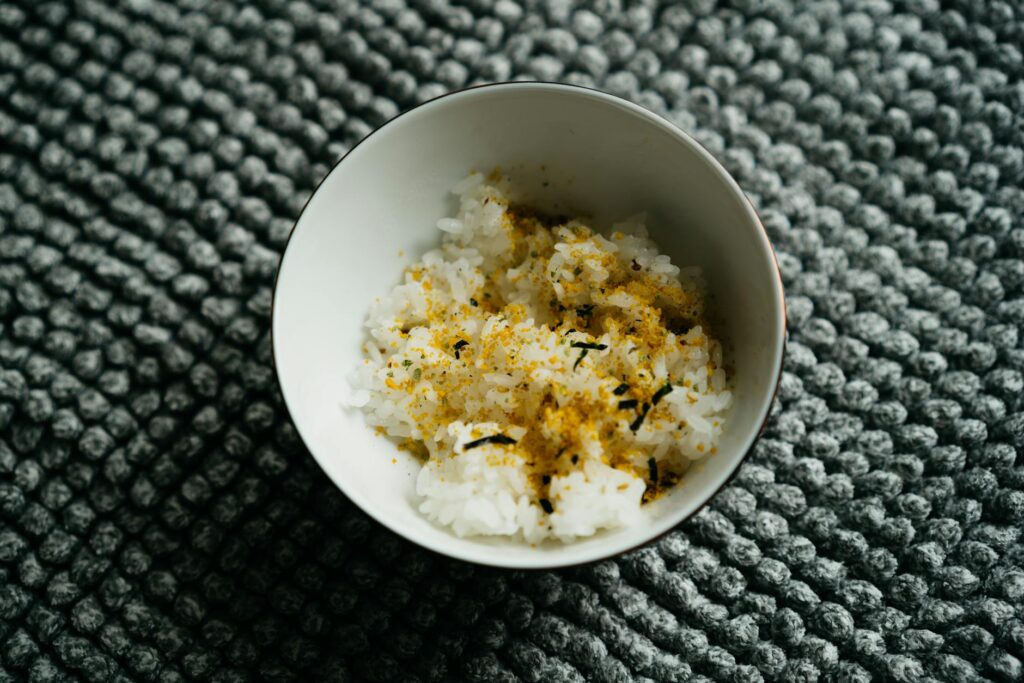
Nori can be shredded and added to salads or grain bowls for an extra layer of flavor and nutrition. Its umami notes complement a variety of ingredients, from fresh vegetables to grains.
Seasoning
Crushed nori flakes can serve as a seasoning for various dishes