
Nori Guides Guide Part 7
Introduction
Nori, a staple ingredient in Japanese cuisine, has gained immense popularity worldwide, particularly with the rise of sushi and other Asian culinary traditions. This seaweed, known for its distinct flavor and vibrant color, serves not only as a wrapping for sushi but also as a versatile ingredient in various dishes. This guide aims to provide an in-depth understanding of nori, encompassing its history, production, quality grading, and practical applications, while addressing common misconceptions and frequently asked questions.
What Is Nori?
Nori is a type of edible seaweed derived from the Rhodophyta class, primarily from the genus Porphyra. It is typically harvested from cold coastal waters and is most commonly associated with Japanese cuisine, where it is used in sushi, onigiri (rice balls), and as a garnish for soups and salads. Nori is rich in vitamins, minerals, and protein, making it a nutritious addition to various meals.
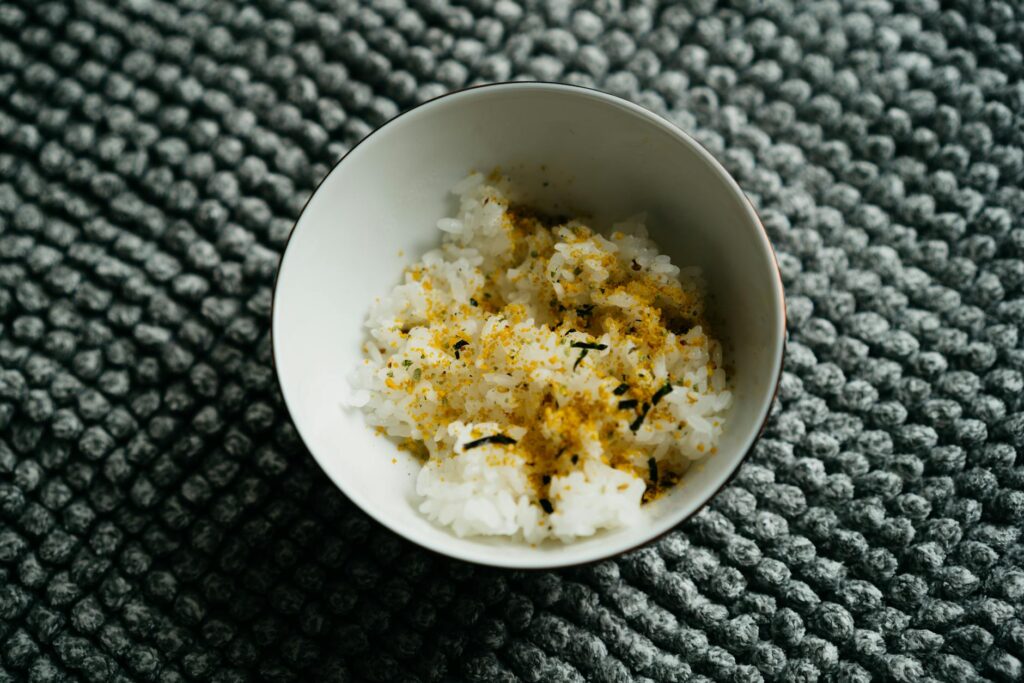
Nori is available in different forms, including sheets, flakes, and strips. The sheets are generally used for wrapping sushi, while flakes can be sprinkled over rice or salads for added flavor. The flavor of nori is often described as umami, with a slightly briny taste that enhances the overall experience of dishes.
History and Origins
The use of nori dates back centuries in Japan, with historical records indicating its consumption as early as the 8th century. Initially, nori was hand-harvested from the wild and consumed in various forms. The cultivation of nori began in the Edo period (1603-1868), when farmers started to cultivate it in nets, significantly improving its availability and consistency.
As trade routes expanded, nori’s popularity grew beyond Japan to other parts of Asia and eventually the Western world. In the mid-20th century, the advent of mass production techniques in Japan allowed for the widespread distribution of nori, making it accessible to a global audience. Today, nori is enjoyed in various cuisines, with countries such as Korea and China also incorporating it into traditional dishes.
Production and Processing
The production of nori involves several meticulous steps to ensure quality and flavor. The process begins with the cultivation of Porphyra in coastal waters, where it is grown on nets or in shallow ponds. The ideal growing conditions include clear waters, adequate sunlight, and a suitable temperature range.
Once harvested, the seaweed is washed to remove impurities and excess salt. It is then processed into sheets through a method that resembles papermaking. The washed seaweed is blended with water to create a slurry, which is then spread onto a fine mesh and dried. The drying process can be done using traditional methods in the sun or through more modern techniques involving heat and air circulation. After drying, the nori sheets are roasted to enhance their flavor and aroma.
Quality control is essential throughout the production process, with factors such as color, texture, and flavor being thoroughly assessed. The final product is then packaged to ensure freshness before being distributed to markets worldwide.
Quality and Grading
Nori is typically graded based on several factors, including color, texture, flavor, and moisture content. The highest quality nori is characterized by a deep green color, a smooth texture, and a rich umami flavor. It should be free from any discoloration or signs of damage.
Grading classifications can vary by manufacturer, but they often include designations such as “A,” “B,” and “C,” with “A” representing the highest quality. Premium nori is often reserved for sushi making, while lower grades may be used for cooking or as an ingredient in other dishes.
When purchasing nori, consumers should look for reputable brands and check for certifications that indicate quality, such as organic or sustainably sourced labels. Additionally, the packaging should be intact to ensure the product’s freshness and shelf life.
Buying Considerations
When buying nori, several factors should be taken into account to ensure quality and suitability for your culinary needs:
1. Type of Nori: Determine whether you need nori sheets, flakes, or strips based on your intended use. Sheets are ideal for sushi, while flakes can enhance a variety of dishes.
2. Quality and Grading: As discussed, opt for higher-grade nori for sushi preparation and consider lower-grade options for cooking applications.
3. Source and Sustainability: Look for nori that is sustainably harvested to support environmentally friendly practices. Brands that provide information about their sourcing methods can be more reliable.
4. Packaging: Ensure the packaging is sealed and intact. Nori is sensitive to moisture and should be kept away from humidity to maintain its crisp texture.
5. Expiration Date: Always check the expiration date to ensure you’re purchasing fresh nori. Stale nori can lack flavor and may be less enjoyable to eat.
Uses and Applications
Nori’s versatility allows it to be used in various culinary applications, making it an essential ingredient in many kitchens:
- Sushi and Sashimi: Nori is most famously used as a wrap for sushi rolls. It holds the ingredients together while imparting a unique flavor.
- Onigiri: This traditional Japanese rice ball often features a nori wrap, providing a savory contrast to the rice.
- Salads: Nori flakes can be sprinkled over salads for added texture and flavor, enhancing both nutritional value and taste.
- Soups: Nori can be shredded and added to soups, such as miso, to provide depth and umami.
- Snacks: Roasted nori sheets or snacks are popular as a healthy, low-calorie alternative to traditional chips.
- Garnishing: Nori can be used as a garnish for various dishes, adding both visual appeal and flavor complexity.
Storage and Shelf Life
Proper storage is crucial