
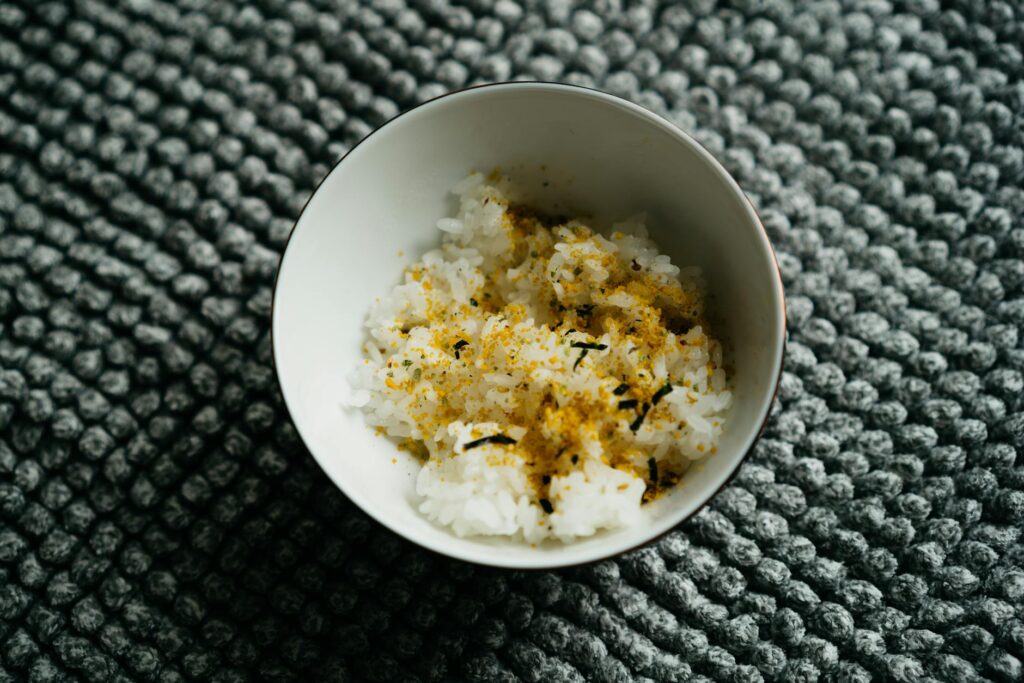
Nori: Origins and Evolution
Introduction
Nori, a staple in Japanese cuisine, has gained international acclaim for its unique flavor, versatility, and nutritional benefits. Often recognized as the seaweed used to wrap sushi, nori is much more than a mere accessory; it is a significant ingredient that plays a central role in various culinary applications. This article delves into the origins, history, production, and diverse uses of nori, providing an authoritative insight into this fascinating ingredient.
What Is Nori?
Nori refers to edible seaweed, primarily from the species Porphyra, which is a red algae. It is often harvested, processed, and dried into thin sheets, which are then used in sushi rolls, rice balls, and other dishes. Nori is characterized by its umami flavor, a result of its rich nutrient profile, which includes vitamins, minerals, and protein. The texture of nori can vary from crisp to slightly chewy, depending on its preparation and storage.
History and Origins
The consumption of nori dates back over a thousand years in Asia, with the earliest records emerging from Japan during the Heian period (794-1185). Historical texts suggest that nori was initially harvested from the wild and consumed in various forms, including as a soup ingredient or a seasoning.
The cultivation of nori began in the 17th century, with the first organized farming efforts taking root in the Edo period (1603-1868). Areas such as Nagasaki and the Seto Inland Sea became renowned for their nori production, leading to a burgeoning industry that would eventually spread across the globe.
By the 20th century, nori gained popularity outside Japan, particularly in the United States and other Western countries, paralleling the rise of sushi culture. Today, nori is produced commercially on a large scale, with Japan, South Korea, and China as the primary producers.
Production and Processing
The production of nori is a meticulous process that begins with the cultivation of Porphyra in coastal waters. The seaweed is typically grown on ropes or nets submerged in shallow waters, benefiting from optimal sunlight and nutrient availability. Harvesting occurs during specific seasons, primarily in the spring and fall, to ensure the highest quality.
Once harvested, the seaweed undergoes several processing steps:
1. Washing: The collected seaweed is thoroughly rinsed to remove impurities and sand.
2. Shredding: The clean seaweed is then shredded into small pieces.
3. Blending: The shredded seaweed is mixed with water and sometimes other ingredients to create a slurry.
4. Sheet Formation: The slurry is spread onto a screen, where it is pressed and dried to form thin sheets.
5. Drying: The sheets are dried using heat or air drying methods, which can affect the final texture and flavor.
6. Cutting and Packaging: Finally, the dried nori sheets are cut into standard sizes, packaged, and shipped for distribution.
Quality and Grading
Quality is paramount in nori production, and various factors contribute to its grading. Key criteria include:
- Color: High-quality nori is typically a deep green to black color, indicating freshness and proper drying. Discoloration may suggest age or degradation.
- Texture: Premium nori has a crisp texture that shatters when broken. Inferior grades may be chewy or rubbery.
- Flavor: The umami flavor should be pronounced, with a balanced saltiness. Off-flavors can indicate poor quality or contamination.
- Origin: Knowing the source can provide insights into quality. Japanese nori is often considered the gold standard, particularly varieties from the Ariake Sea.
- Packaging: Look for nori that is vacuum-sealed or packaged in airtight containers to maintain freshness.
- Expiration Date: Always check the expiration date to ensure that the nori is fresh, as it can lose flavor and texture over time.
- Type: Depending on your intended use, choose between sushi nori (typically larger sheets) or snack nori (smaller, often flavored sheets).
Grading systems vary by region, but generally, nori is categorized into grades such as A, B, and C, with A being the highest quality.
Buying Considerations
When purchasing nori, consider the following factors to ensure quality:
Uses and Applications
Nori’s versatility is one of its most appealing traits. While it is primarily known for wrapping sushi, its applications extend far beyond:
1. Sushi and Sashimi: Nori is the quintessential wrap for sushi rolls, providing structure and flavor.
2. Rice Balls (Onigiri): Nori is commonly used to wrap rice balls, adding a savory touch and making them easier to handle.
3. Soups and Broths: Crumbled nori can enhance the umami flavor of soups and broths, adding depth to dishes like miso soup.
4. Salads: Nori flakes can be sprinkled over salads for an added layer of flavor and nutrition.
5. Snacks: Many brands offer roasted nori snacks, often seasoned with flavors like wasabi or soy sauce, making them a popular healthful snack.
6. Garnishes: Nori can be used as a garnish for various dishes, including rice, fish, and vegetable plates, providing a visual and textural contrast.
Storage and Shelf Life
Proper storage is crucial for maintaining nori’s quality. To preserve its crispness and flavor, store nori in a cool, dry place away from moisture. An airtight container or resealable bag can help prevent exposure to air and humidity.
When stored correctly, nori can last for several months, but it is best consumed