
Nori Regions Guide Part 6
Introduction
Nori, the beloved seaweed used predominantly in Japanese cuisine, has gained global recognition for its unique flavor, nutritional benefits, and versatility. As a staple ingredient in sushi and a popular snack, understanding the various regions where nori is cultivated can enhance appreciation for this oceanic treasure. This guide delves into the nuances of nori regions, exploring their unique characteristics, production methods, and the cultural significance of this essential ingredient.
What Is Regions?
Regions refer to specific geographic areas known for distinct qualities in the production of nori. The cultivation of nori is influenced by various factors, including water quality, climate, and local harvesting traditions. Each region contributes unique flavors and textures to the nori it produces, making it imperative for chefs and culinary enthusiasts to recognize these differences.
History and Origins
Nori has a rich history that dates back over a thousand years, with its origins rooted in Japan. Initially, nori was harvested from natural seaweed beds along the coasts of Japan. It was consumed in various forms, often as a wrap for rice or as a flavor enhancer for soups. The cultivation of nori began in earnest during the Edo period (1603-1868), when methods for farming and processing the seaweed were developed.
Regions such as Yamaguchi, Kumamoto, and Nagasaki became renowned for their nori, each offering distinct characteristics shaped by local conditions. Over time, nori production expanded to other countries, including South Korea, China, and even the United States, where different harvesting techniques and varieties emerged.
Production and Processing
The production of high-quality nori involves several stages, including cultivation, harvesting, drying, and processing.
Cultivation
Nori is typically cultivated on floating nets or lines in coastal waters. The ideal conditions for nori growth include clean, nutrient-rich waters with proper salinity. Regions like Ariake Sea in Japan and Jeju Island in South Korea are particularly famous for their nori cultivation due to their unique marine environments.
Harvesting
Harvesting usually occurs during the late fall to early spring months when the seaweed is at its peak quality. Harvesters use specialized tools to carefully collect the nori without damaging it.
Drying and Processing
Once harvested, the nori is washed, and excess salt is removed before being spread out to dry. Traditional methods often involve sun-drying, while modern techniques may utilize machines for consistent results. After drying, nori sheets are toasted to enhance their flavor and preserve freshness.
Quality and Grading
Nori quality is assessed based on several factors, including color, texture, aroma, and taste. The grading system can vary by region, but generally, nori is classified into grades such as:
- Premium Grade: Characterized by a deep green color, a smooth texture, and a rich umami flavor.
- Standard Grade: Slightly less vibrant with some imperfections but still suitable for culinary use.
- Lower Grades: Typically used for industrial purposes or as ingredients in other processed foods.
- Sushi: The most recognized use of nori, serving as a wrap for sushi rolls and nigiri.
- Snacks: Nori can be seasoned and toasted to create healthy snacks, often enjoyed as a crispy treat.
- Soups and Salads: Crumbled nori adds depth to various dishes, enhancing flavor profiles in broths and salads.
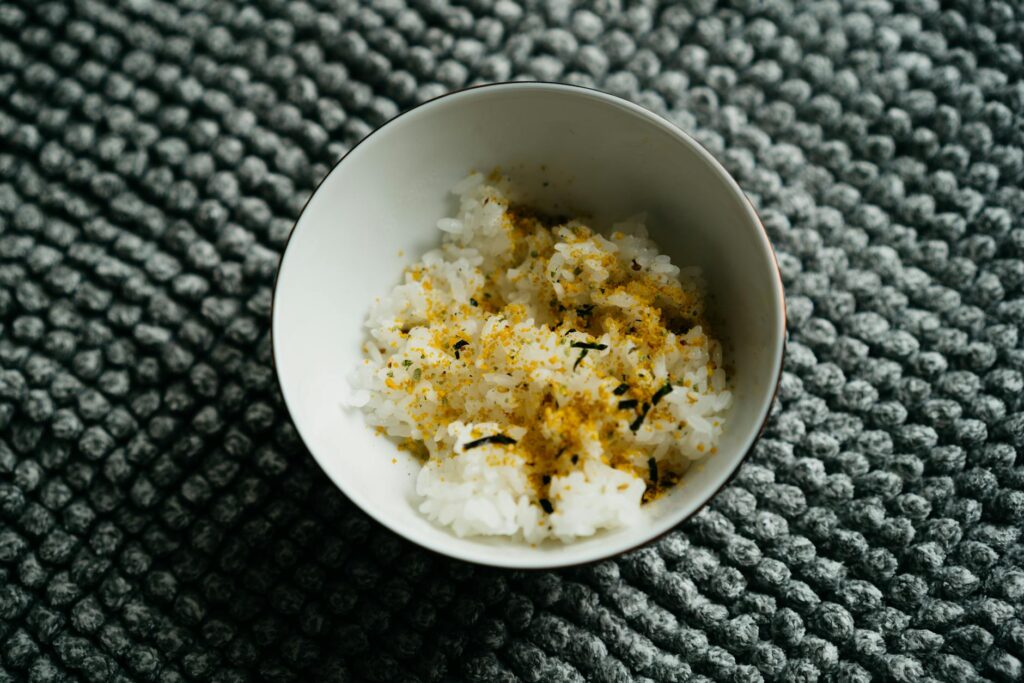
- Garnishes: Finely shredded nori can be used as a garnish for rice dishes, noodles, or even entrees.
- Unopened Packages: Store in a cool, dry place away from direct sunlight. Unopened nori can last for up to a year if stored correctly.
- Opened Packages: Once opened, nori should be kept in an airtight container to prevent moisture exposure. Consume within a few weeks for the best flavor and texture.
- Freezing: If you have excess nori, it can be frozen to extend its shelf life, but make sure it is well-sealed to prevent freezer burn.
- All Nori Is the Same: As discussed, nori varies significantly by region, and quality can differ widely.
- Nori Is Only for Sushi: While it is a staple in sushi preparation, nori’s uses extend to various culinary applications, including snacks and garnishes.
- Nori Is Not Nutritious: Nori is rich in vitamins, minerals, and antioxidants, making it a valuable addition to a balanced diet.
Regions like Kumamoto are known for producing some of the highest quality nori, while others may focus on volume rather than premium quality.
Buying Considerations
When purchasing nori, it is essential to consider several factors to ensure you select the best product:
1. Source: Always check the origin of the nori. Regions known for high-quality production, such as Japan and South Korea, are generally preferable.
2. Packaging: Look for nori that is vacuum-sealed or packaged in airtight containers to maintain freshness.
3. Color and Texture: Premium nori should exhibit a vibrant green hue with a smooth, glossy surface. Avoid sheets with browning or excessive holes.
4. Flavor: Good quality nori should have a pleasant, briny aroma and a subtly sweet flavor.
Uses and Applications
Nori’s culinary versatility extends beyond sushi rolls. Here are some common applications:
The expanding global culinary landscape has seen chefs experiment with nori in fusion dishes, showcasing its adaptability.
Storage and Shelf Life
Proper storage is crucial for maintaining the quality of nori. Here are some guidelines:
Common Misconceptions
Despite its popularity, several misconceptions surround nori: