
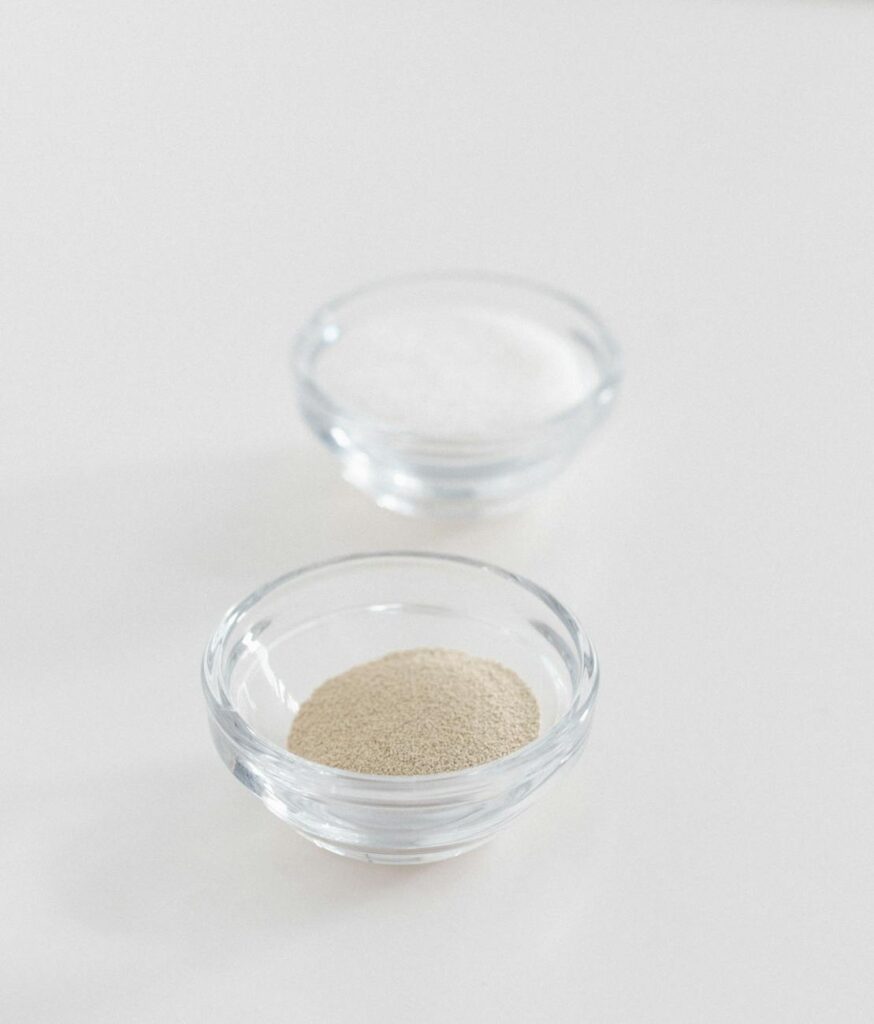
Nutritional Yeast Around the World
Introduction
Nutritional yeast has emerged as a staple ingredient in various diets, particularly among those embracing plant-based lifestyles. Characterized by its unique flavor profile and rich nutrient content, this deactivated yeast is celebrated not just for its culinary applications but also for its nutritional benefits. As nutritional yeast finds its way into kitchens across the globe, it is essential to explore its origins, production methods, and regional variations that contribute to its global appeal.
What Is Regions?
In the context of nutritional yeast, “regions” refers to the geographical and cultural contexts that influence its production, consumption, and culinary applications. Different regions may have unique approaches to incorporating nutritional yeast into their cuisines, reflecting local tastes and dietary practices. Understanding these regions provides insight into how nutritional yeast has been embraced worldwide, showcasing its versatility as an ingredient.
History and Origins
Nutritional yeast traces its origins back to the early 20th century, primarily in the United States and Europe. The yeast species used, Saccharomyces cerevisiae, has a long history of use in baking and brewing. However, it wasn’t until the 1950s that nutritional yeast began to be recognized for its health benefits, particularly among vegetarians and vegans seeking alternative sources of protein and vitamins.
The initial popularity of nutritional yeast in the U.S. coincided with the rise of health food movements and vegetarianism. Its fortification with B vitamins further solidified its status as a health-promoting ingredient. Over the decades, it has gained traction in various culinary traditions, leading to a blending of flavors and uses that reflect regional tastes.
Production and Processing
The production of nutritional yeast involves several critical steps, from fermentation to packaging. The process begins with culturing Saccharomyces cerevisiae on a substrate, typically derived from molasses or sugarcane. This fermentation stage is crucial as it allows the yeast to grow and multiply, producing a rich array of nutrients along the way.
Once the yeast has fully grown, it is deactivated through heat treatment, ensuring it cannot ferment or reproduce. This step is essential to produce the nutritional yeast used in culinary applications. After deactivation, the yeast is washed, pasteurized, and dried, resulting in the flaky, powdery substance that is commonly sold in health food stores.
Quality control during production is vital to ensure that the nutritional yeast retains its flavor and nutrient profile. Various manufacturers employ different drying methods, such as drum drying or spray drying, which can impact the final product’s texture and taste.
Quality and Grading
Quality and grading of nutritional yeast can vary significantly based on factors such as production methods, source materials, and nutrient fortification. When assessing quality, consumers should look for products that list their nutritional content clearly, including levels of protein, B vitamins, and other essential nutrients.
Notably, some brands offer fortified nutritional yeast, which contains additional B vitamins, such as B12, appealing to those on vegan diets. The absence of artificial additives or preservatives is another quality indicator. Furthermore, organic certifications can also provide assurance regarding the growing and processing methods utilized.
Buying Considerations
When purchasing nutritional yeast, several factors should be considered to ensure the best quality and suitability for individual needs:
1. Form: Nutritional yeast is available in both flakes and powder form. Flakes tend to have a more robust flavor and a coarser texture, while powder can blend easily into liquids.
2. Fortification: Check whether the nutritional yeast is fortified with additional vitamins, especially B12, which is crucial for those following a vegan diet.
3. Packaging: Opt for products in airtight packaging to maintain freshness and prevent moisture absorption.
4. Source: Consider purchasing from reputable brands known for their commitment to quality and sustainability.
5. Taste Preferences: Different brands may exhibit variations in flavor. Sampling a few options may help determine personal preferences.
6. Storage: Nutritional yeast should be stored in a cool, dark place to preserve its flavor and nutrient content.
Uses and Applications
Nutritional yeast is highly versatile and can be employed in numerous culinary applications. Its umami-rich flavor makes it an excellent addition to various dishes, enhancing taste without relying on animal products.
Culinary Uses
- Seasoning: Nutritional yeast can be sprinkled over popcorn, pasta, or salads for added flavor.
- Sauces and Dressings: It serves as a base for creamy sauces, providing a cheese-like flavor without dairy.
- Soups and Stews: Adding nutritional yeast to soups can enrich their flavor profile and increase their nutritional value.
- Baked Goods: It can also be included in bread or muffins for an added boost of nutrients.
Regional Variations
In different parts of the world, nutritional yeast is utilized in unique ways. In North America, it is often used as a cheese substitute in vegan recipes. In Italy, nutritional yeast is sometimes sprinkled over pasta dishes, reminiscent of traditional Parmigiano-Reggiano. Meanwhile, in Asian cuisines, it can be found in various sauces and seasoning blends, demonstrating its adaptability across diverse culinary landscapes.
Storage and Shelf Life
To maintain the freshness and quality of nutritional yeast, proper storage is essential. It should be kept in a cool, dry place, preferably in an airtight container. Under optimal conditions, nutritional yeast can last up to two years. However, it’s advisable to check the expiration date on the packaging and perform a sensory evaluation—look for any off-smells, discoloration, or changes in texture that may indicate spoilage.
Common Misconceptions
Despite its growing popularity, several misconceptions about nutritional yeast persist:
1. Nutritional Yeast Is Active Yeast: Nutritional yeast is deactivated and does not function as a leavening agent in baking.
2. Nutritional Yeast Is