
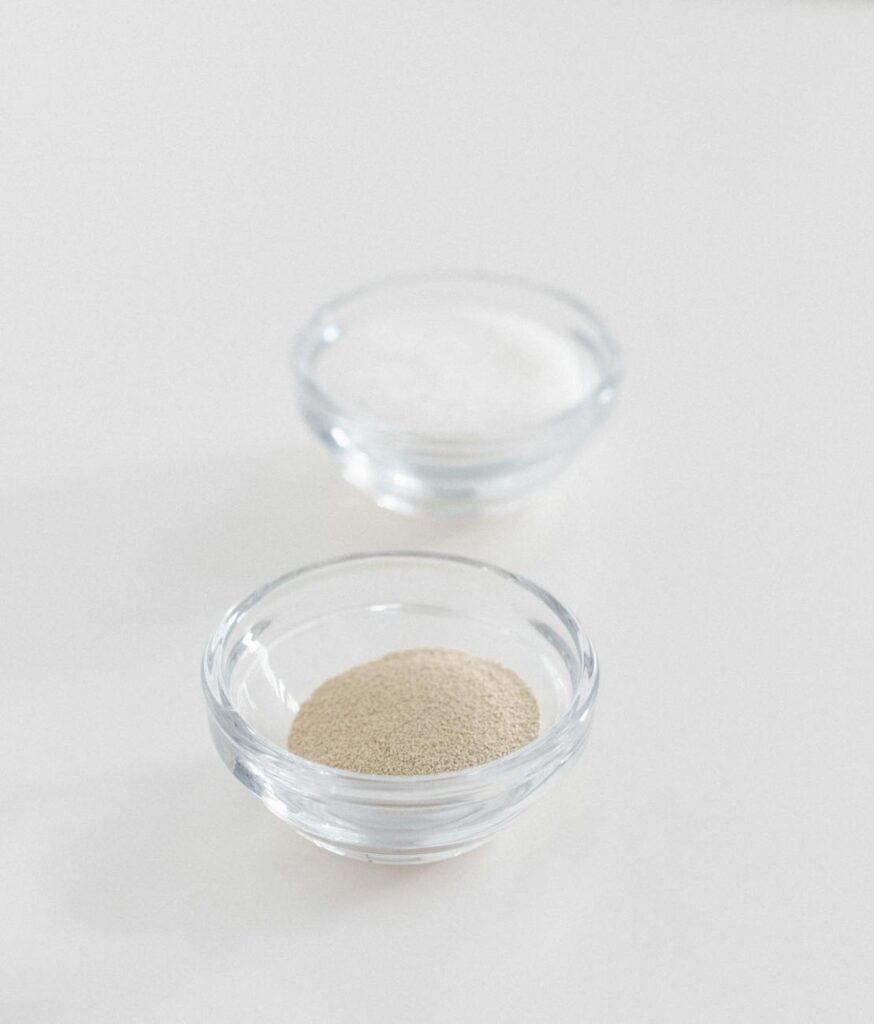
Nutritional Yeast Cultivation Explained
Introduction
Nutritional yeast has gained significant popularity in recent years, especially among health-conscious individuals, vegans, and vegetarians. This versatile ingredient is celebrated for its rich, cheesy flavor and impressive nutritional profile, making it a staple in many kitchens around the world. However, few are aware of the intricate process behind its cultivation and production. This article delves into the various aspects of nutritional yeast cultivation, from its origins to the final product, ensuring a comprehensive understanding of this unique ingredient.
What Is Growing?
Growing, in the context of nutritional yeast, refers to the cultivation of Saccharomyces cerevisiae, a species of yeast that is primarily used for fermentation. In the case of nutritional yeast, it is grown specifically for its nutritional value rather than for baking or brewing purposes. The cultivation process involves nurturing the yeast in controlled environments, enabling it to thrive and produce essential nutrients.
The growing of nutritional yeast typically occurs in large-scale fermentation tanks, where conditions such as temperature, pH, and nutrient availability are meticulously managed. The yeast is fed a carbohydrate source, often derived from molasses, sugarcane, or other plant materials, which provides the energy required for growth. As the yeast multiplies, it absorbs nutrients and synthesizes proteins, vitamins (notably B-complex vitamins), and minerals.
History and Origins
The origins of nutritional yeast can be traced back to ancient civilizations, where yeast was recognized for its role in fermentation. However, the specific use of nutritional yeast as a food ingredient began much later. The modern commercialization of nutritional yeast began in the early 20th century.
During World War II, the demand for protein-rich food sources surged, leading to the development of nutritional yeast as a dietary supplement. It was during this time that researchers recognized its potential as a source of B vitamins, particularly B12, which is often lacking in vegetarian and vegan diets.
In the decades that followed, nutritional yeast became increasingly popular among health food enthusiasts and alternative dietary communities. Its unique flavor profile and nutritional benefits solidified its status as a desirable ingredient in various culinary applications.
Production and Processing
The production of nutritional yeast involves several key stages, each critical to ensuring the final product possesses the desired flavor and nutritional content.
1. Cultivation: The process begins with the inoculation of a suitable medium—often a sugar-rich substrate such as molasses—into fermentation tanks. Under optimal conditions of warmth, humidity, and aeration, the Saccharomyces cerevisiae yeast begins to multiply.
2. Fermentation: The growth phase typically lasts several days, during which the yeast consumes the sugars, resulting in a rapid increase in biomass. This phase is carefully monitored to maintain the ideal environment for yeast fermentation.
3. Harvesting: Once the fermentation process is complete, the yeast is harvested from the fermentation tanks. This is achieved through centrifugation, which separates the yeast from the liquid medium.
4. Pasteurization: To deactivate the yeast and eliminate any potential pathogenic organisms, the harvested yeast undergoes pasteurization. This process preserves the nutritional content while ensuring safety.
5. Drying: After pasteurization, the yeast is dried to create a flaky or powdered product. This step is crucial for enhancing shelf life and improving the ingredient’s versatility in culinary applications.
6. Packaging: Finally, the dried nutritional yeast is packaged in airtight containers to prevent moisture absorption and preserve freshness.
Quality and Grading
The quality of nutritional yeast is determined by several factors, including its flavor, nutritional content, and appearance. Manufacturers often adhere to specific grading systems to ensure consistency and meet consumer expectations.
- Flavor Profile: High-quality nutritional yeast should possess a nutty, cheesy flavor without any off-putting tastes. This is particularly important for those who use it as a cheese substitute.
- Nutritional Content: The nutritional profile is a major indicator of quality. Premium nutritional yeast products are often fortified with additional B vitamins, including B12, to enhance their nutritional value.
- Appearance: Quality nutritional yeast is typically bright yellow in color and has a flaky or powdered texture. Any signs of discoloration or clumping may indicate inferior quality or improper storage.
- Certifications: Many consumers prefer nutritional yeast products with organic certifications or those that are non-GMO. These certifications provide assurance regarding the farming practices and ingredient sourcing.
- Seasoning: Nutritional yeast can be sprinkled on popcorn, pasta, salads, and roasted vegetables for a savory flavor boost.
- Cheese Substitute:
Buying Considerations
When purchasing nutritional yeast, there are several factors to consider to ensure you select a high-quality product that meets your needs:
1. Form: Nutritional yeast is available in both flakes and powder form. Flakes tend to have a more robust flavor, while powder can be easier to incorporate into recipes. Choose based on your culinary preferences.
2. Fortification: Look for products that are fortified with B vitamins, particularly B12, if you follow a vegan or vegetarian diet. This can significantly enhance the nutritional benefits of the yeast.
3. Source: Consider the source of the nutritional yeast. Organic and non-GMO certifications can provide assurance regarding the farming practices and ingredient quality.
4. Shelf Life: Nutritional yeast should be stored in a cool, dark place to maintain its freshness. Check the expiration date on the packaging to ensure you are purchasing a product with a long shelf life.
5. Allergens: While nutritional yeast is generally considered safe for most individuals, those with specific allergies should check for potential cross-contamination with allergens such as gluten.
Uses and Applications
Nutritional yeast is a highly versatile ingredient that can enhance the flavor and nutritional profile of a wide array of dishes. Its applications span various culinary contexts: