
Nutritional Yeast Guides Guide Part 6
Introduction
Nutritional yeast has emerged as a powerhouse ingredient in both culinary and health communities. Renowned for its distinctive umami flavor, it is often used as a cheese substitute in vegan dishes, providing a savory depth to a variety of recipes. This guide delves into the multifaceted world of nutritional yeast, providing insights into its history, production, quality, uses, and more.
What Is Nutritional Yeast?
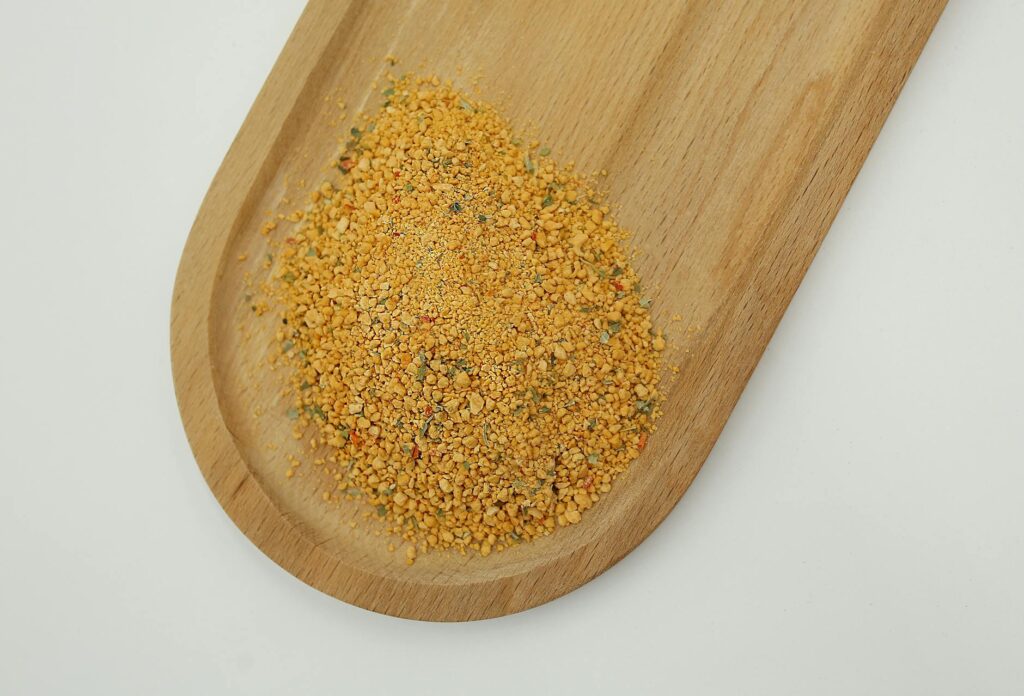
Nutritional yeast is a deactivated form of yeast, specifically Saccharomyces cerevisiae, which is cultivated on molasses and other substrates. Unlike active yeast used in bread-making, nutritional yeast is not alive and does not have leavening properties. It is typically sold in the form of yellow flakes or powder and is often fortified with vitamins, particularly B vitamins. This ingredient is celebrated not only for its unique flavor profile but also for its nutritional benefits, making it a popular choice among vegetarians, vegans, and health-conscious individuals.
History and Origins
The history of nutritional yeast dates back to the 20th century when it was first cultivated as a dietary supplement. Its origins can be traced to the early 1900s in Europe, where it was primarily used by health enthusiasts. The yeast was initially a byproduct of brewing beer, but its nutritional properties quickly led to its adoption as a health food. By the 1960s, nutritional yeast gained popularity in the United States, particularly in vegetarian and vegan communities, as awareness of its health benefits spread.
Today, nutritional yeast is recognized globally and is a staple in many households, particularly among those looking to enhance their diets with plant-based ingredients.
Production and Processing
The production of nutritional yeast involves several stages, starting from the cultivation of Saccharomyces cerevisiae. The yeast is grown on a nutrient-rich medium, often molasses, which provides the necessary sugars for fermentation. Once the yeast has been cultivated, it undergoes a deactivation process through heat treatment, ensuring that it is no longer active and cannot ferment.
After deactivation, the yeast is harvested, washed, and dried. It is then processed into flakes or powder, depending on consumer preferences. At this stage, many manufacturers choose to fortify the nutritional yeast with additional vitamins and minerals, enhancing its value as a dietary supplement. The final product is packaged and distributed, making it widely available in grocery stores and health food outlets.
Quality and Grading
The quality of nutritional yeast can vary significantly based on production methods, source materials, and processing techniques. When evaluating nutritional yeast, it is essential to consider several factors:
1. Origin: Nutritional yeast from reputable sources often undergoes stricter quality control measures, ensuring a higher level of purity and nutritional content.
2. Fortification: Many brands fortify their nutritional yeast with B vitamins, particularly B12. Checking the label for the type and amount of fortification is crucial for those relying on it as a dietary supplement.
3. Texture: High-quality nutritional yeast should have a fine, flake-like texture that dissolves easily in liquids. Coarser textures may indicate lower quality.
4. Flavor: The flavor should be nutty and cheesy without any off-putting or rancid notes. Freshness is key; stale nutritional yeast can lose its characteristic taste.
5. Organic vs. Conventional: Organic nutritional yeast is produced without synthetic pesticides or fertilizers, making it a preferable choice for health-conscious consumers.
Buying Considerations
When purchasing nutritional yeast, there are several considerations to keep in mind:
- Labeling: Always read labels carefully. Look for products that specify whether they are fortified and check the ingredient list for additives or preservatives.
- Packaging: Nutritional yeast is best stored in airtight containers to maintain freshness. Consider purchasing from brands that use resealable packaging to extend shelf life.
- Price: While nutritional yeast can vary in price, it is generally affordable. However, higher prices may reflect better quality or additional fortification.
- Allergens: Although nutritional yeast is typically gluten-free, it’s essential to check for allergen information, especially for those with sensitivities.
- Sourcing: Supporting brands that prioritize sustainable and ethical sourcing can contribute to better environmental practices.
- Seasoning: Its cheesy flavor makes it an excellent seasoning for popcorn, pasta, and salads. It can also be sprinkled on roasted vegetables for added depth.
- Sauces: Nutritional yeast is often used in vegan cheese sauces, offering a creamy texture and rich flavor without dairy.
- Soups and Stews: Adding nutritional yeast to soups and stews can enhance their umami profile, providing a satisfying richness.
- Baking: While it cannot replace active yeast in baking, nutritional yeast can be added to bread and other baked goods for an extra layer of flavor.
- Smoothies: For those looking to boost their nutritional intake, a spoonful of nutritional yeast can be blended into smoothies for added protein and vitamins.
- Nutritional Yeast Is Active
Uses and Applications
Nutritional yeast is incredibly versatile, making it suitable for a wide range of culinary applications:
Storage and Shelf Life
To preserve the quality and flavor of nutritional yeast, proper storage is essential. It should be kept in a cool, dry place, away from direct sunlight and moisture. An airtight container can help prevent exposure to air, which can lead to rancidity.
Typically, nutritional yeast has a shelf life of about two years if stored correctly. However, it is advisable to check the expiration date on the packaging. Signs of spoilage include off odors, discoloration, or clumping, which indicate that the yeast has lost its freshness.
Common Misconceptions
Despite its popularity, several misconceptions about nutritional yeast persist: