
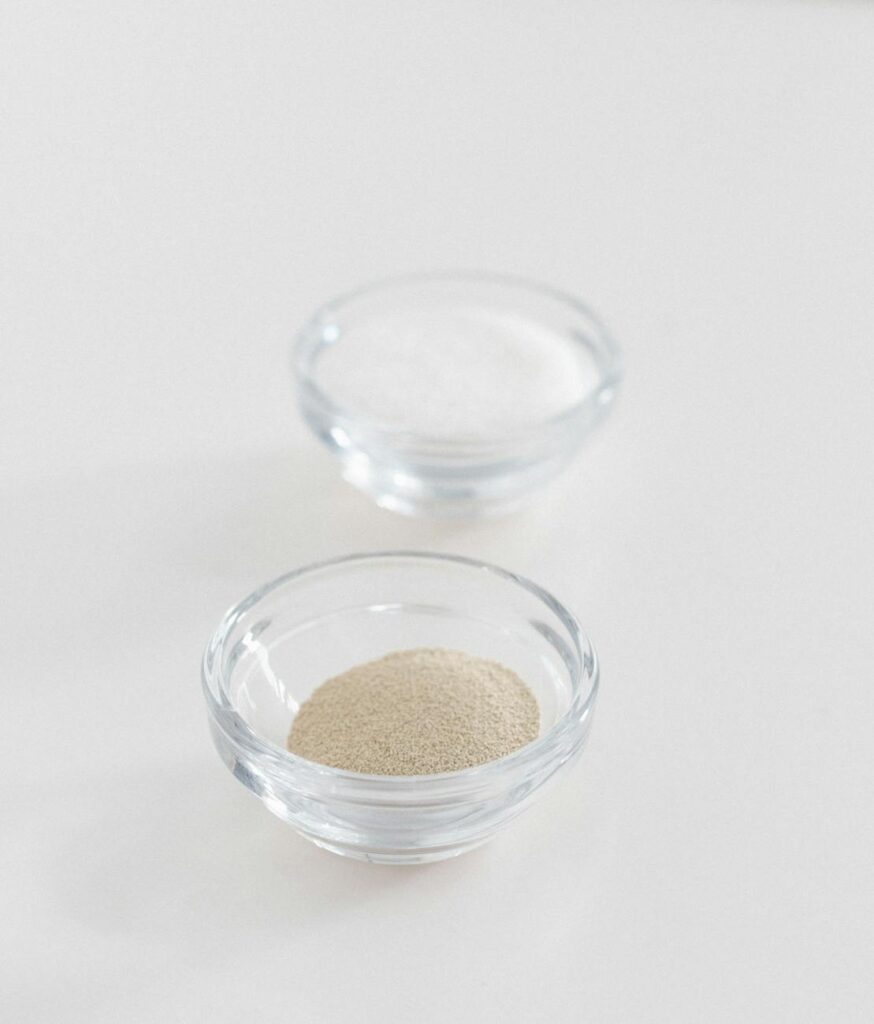
Nutritional Yeast Guides Guide Part 7
Introduction
Nutritional yeast is a unique ingredient celebrated not only for its distinct flavor but also for its nutritional profile. Often favored by vegans and health enthusiasts, it offers a myriad of culinary applications and health benefits. This article delves into the various facets of nutritional yeast, providing a comprehensive guide to its history, production, quality considerations, and more.
What Is Nutritional Yeast?
Nutritional yeast is a deactivated form of yeast, specifically Saccharomyces cerevisiae. It is commonly produced on molasses and is available in flakes, granules, or powder. This ingredient is renowned for its cheese-like flavor, making it an excellent substitute for cheese in various dishes. Nutritional yeast is rich in vitamins, particularly B-complex vitamins, and is often fortified with additional nutrients, including vitamin B12, which is crucial for those following a vegan diet.
History and Origins
Nutritional yeast’s roots can be traced back to the early 20th century, where it emerged as a byproduct of the brewing industry. Initially, it was used as a dietary supplement in Europe and later gained popularity in the United States during the health food movement of the 1960s. The shift towards plant-based diets has further propelled its popularity, particularly among vegetarians and vegans seeking nutritious alternatives to dairy products.
Production and Processing
The production of nutritional yeast involves several key steps:
1. Cultivation: Nutritional yeast is cultivated on a nutrient-rich medium, typically molasses, which provides the sugars necessary for yeast growth.
2. Fermentation: The yeast is allowed to ferment, during which time it develops its unique flavor and nutritional profile. This fermentation process usually takes several days.
3. Deactivation: Once fermentation is complete, the yeast is heated to deactivate it. This step is crucial as it ensures that the yeast cannot ferment in the digestive system.
4. Drying: The deactivated yeast is then dried, resulting in the familiar flaky or granular texture.
5. Fortification: Many manufacturers fortify nutritional yeast with additional vitamins, especially B12, to enhance its nutritional value.
6. Packaging: Finally, the product is packaged for distribution, often in airtight containers to preserve freshness.
Quality and Grading
When selecting nutritional yeast, quality is of utmost importance. Several factors contribute to the quality and grading of nutritional yeast:
- Source Materials: The quality of the molasses or other growth mediums used can significantly affect the flavor and nutritional content.
- Fortification: High-quality nutritional yeast should clearly indicate whether it is fortified with essential vitamins, particularly B12.
- Processing Methods: The methods employed during production can influence the final product’s taste and texture. Air-dried yeast tends to retain more nutrients compared to those produced through other drying methods.
- Aroma and Taste: A fresh, high-quality nutritional yeast should have a nutty, cheesy aroma and flavor. Products that are stale or have an off-putting smell are likely of inferior quality.
- Form: Nutritional yeast is available in flakes, granules, and powders. Flakes are the most popular and versatile form, ideal for sprinkling on dishes, while powders may dissolve better in sauces.
- Fortification: Check the label for fortification with B12, especially if you are relying on nutritional yeast for this essential nutrient.
- Additives: Some brands may add artificial flavors or preservatives. Opt for products that are free from unnecessary additives for a purer experience.
- Brand Reputation: Research brands and read reviews to identify those known for high-quality products and ethical sourcing practices.
- Packaging: Look for products that are packaged in airtight containers to maintain freshness and prevent moisture absorption.
- Seasoning: Sprinkle nutritional yeast on popcorn, pasta, salads, or roasted vegetables for a cheesy flavor boost without the calories and fat associated with dairy.
- Sauces: Nutritional yeast can be blended into sauces to create a creamy texture and enhance flavor, particularly in vegan cheese sauces.
- Soups and Stews: Add nutritional yeast to soups and stews for added depth and a umami flavor profile.
- Baking: While not a leavening agent, nutritional yeast can be incorporated into bread and baked goods for added nutrition.
- Smoothies: For a nutritious boost, sprinkle a tablespoon of nutritional yeast into smoothies, complementing the flavors of fruits and greens.
- Cool, Dry Place: Store nutritional yeast in a cool, dry place away from direct sunlight. A pantry or cabinet is ideal.
- Airtight Container: If the product is not already in an airtight container, transfer it to one to prevent moisture absorption, which can lead to clumping and spoilage.
- Refrigeration: While not necessary, refrigeration can extend the shelf life of nutritional yeast, especially in warmer climates.
- Shelf Life: Unopened nutritional yeast can typically last for up to two years. Once opened, it is best consumed within six months to a year for optimal flavor and nutrient retention.
- Yeast and Allergies: Some people confuse nutritional yeast with active yeast used for baking. Nutritional yeast is deactivated and does not cause fermentation, making it safe for individuals with yeast allergies.
- Taste: While some may assume that nutritional
Buying Considerations
When purchasing nutritional yeast, consider the following factors to ensure you select the best product:
Uses and Applications
Nutritional yeast is a versatile ingredient that can elevate various dishes. Its applications include:
Storage and Shelf Life
Proper storage is crucial to maintaining the quality of nutritional yeast. Follow these guidelines:
Common Misconceptions
Despite its popularity, several misconceptions about nutritional yeast persist: