
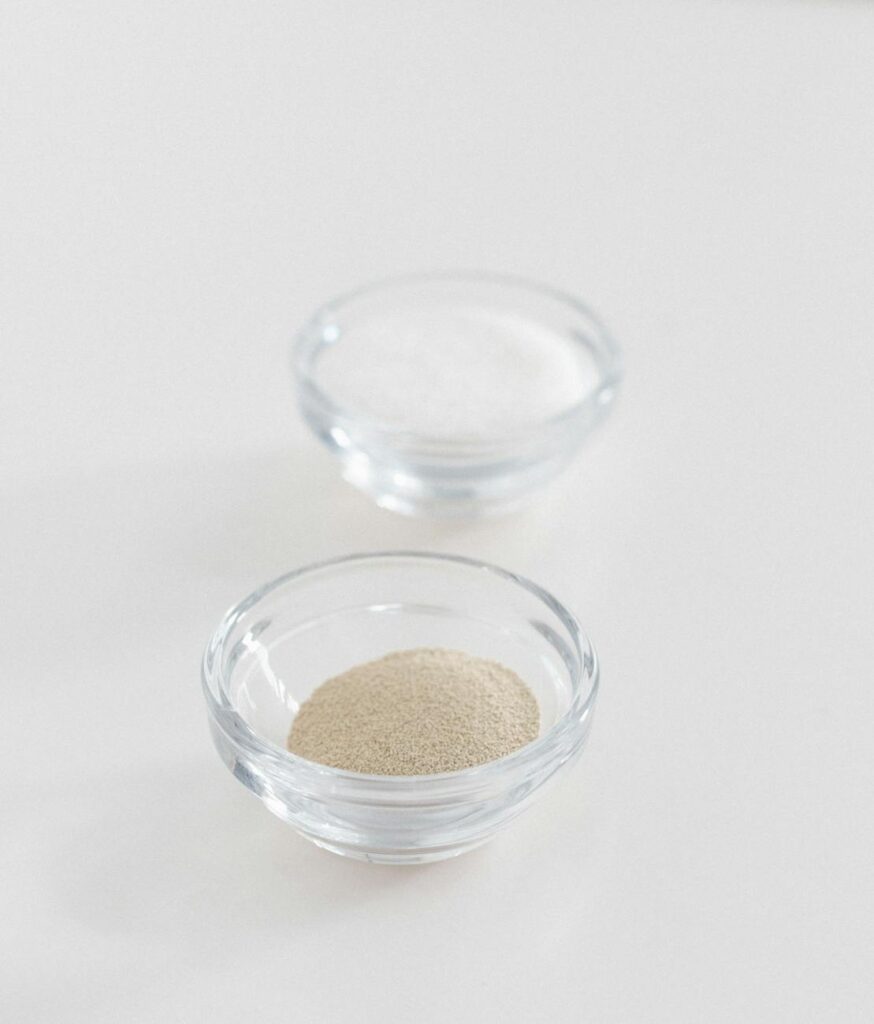
Nutritional Yeast in Traditional Cuisine
Introduction
Nutritional yeast, a deactivated form of yeast derived from sugarcane or beet molasses, has gained immense popularity in recent years. Often celebrated for its rich flavor profile and nutritional benefits, it is an invaluable ingredient in various culinary traditions around the world. This article delves into the diverse uses of nutritional yeast, particularly within traditional cuisines, illuminating its historical significance, production methods, and practical applications.
What Is Uses?
In the culinary context, “uses” refers to the various applications and roles an ingredient can play in dishes. Nutritional yeast serves multiple purposes: as a flavor enhancer, a thickening agent, a seasoning, and a source of nutrients. Its umami taste makes it particularly appealing in vegan and vegetarian diets, where it is often used as a cheese substitute. Understanding its uses can open up a realm of possibilities for chefs and home cooks alike.
History and Origins
Nutritional yeast’s roots can be traced back to the mid-20th century when it was first marketed as a health food. However, its main ingredient, Saccharomyces cerevisiae, has been used in various forms for millennia. Ancient civilizations, including the Egyptians, utilized yeast for fermentation in bread-making and brewing. Its transition into a health food occurred during the 1960s and 1970s, coinciding with the rise of the health food movement and vegetarianism.
In traditional cuisines, while not always labeled as “nutritional yeast,” similar yeasty ingredients have historically been used. For instance, in Italy, the use of yeast in the form of bread crumbs or fermented products has been common, emphasizing the influence of yeast on flavor and texture.
Production and Processing
The production of nutritional yeast involves several steps. First, sugarcane or beet molasses is fermented using Saccharomyces cerevisiae. This fermentation process is crucial, as it transforms the sugars into proteins, vitamins, and minerals. After fermentation, the yeast is pasteurized to deactivate it, ensuring that it does not ferment further. The final product is then dried and flaked or powdered, resulting in the nutritional yeast most commonly found in stores.
The method of production can affect the flavor and nutrient content. Some manufacturers fortify their nutritional yeast with additional vitamins, particularly B12, which is essential for those on plant-based diets.
Quality and Grading
Quality and grading of nutritional yeast can vary significantly. Factors to consider include the source of the yeast, its fortification status, and the manufacturing process. High-quality nutritional yeast should have a pleasant, nutty flavor and a golden color. When purchasing, it is advisable to look for products that are free from additives and preservatives.
Some brands may also provide information on their nutritional content, which can help consumers choose a product that aligns with their dietary needs. Grading is less formal than in other food categories, but reputable brands often undergo third-party testing to ensure their products meet quality standards.
Buying Considerations
When purchasing nutritional yeast, several considerations can enhance the buying experience:
1. Form: Nutritional yeast is available in both flake and powder forms. Flakes are often preferred for toppings, while powders can blend into sauces more easily.
2. Fortification: Look for brands that fortify their nutritional yeast with B vitamins, especially B12, if you are following a vegan or vegetarian diet.
3. Packaging: Nutritional yeast is sensitive to light and heat. Opt for products in opaque, resealable bags to maintain freshness.
4. Brand Reputation: Choose brands known for quality and ethical sourcing. Reading reviews can provide insights into product efficacy and taste.
5. Storage Instructions: Check if the product has specific storage recommendations to prolong its shelf life.
Uses and Applications
Nutritional yeast is a versatile ingredient with numerous applications in traditional and contemporary cuisines. Its unique flavor profile—often described as cheesy or nutty—makes it an excellent alternative to dairy products.
Flavor Enhancer
In many traditional cuisines, nutritional yeast can replace cheese in dishes. Its umami flavor is particularly suited for pasta, risottos, and grain-based salads. In Italian cuisine, for example, it can be sprinkled over pasta dishes to impart a savory depth without the use of cheese.
Seasoning
Nutritional yeast is often used as a seasoning in various dishes. It can enhance soups, stews, and sauces, providing a rich, complex flavor. In Asian cuisines, it can be added to stir-fries or incorporated into marinades, offering a unique twist on traditional recipes.
Thickening Agent
In addition to flavor, nutritional yeast can act as a thickening agent in sauces and soups. When blended with liquids, it creates a creamy texture, making it ideal for vegan versions of Alfredo or cheese sauces.
Nutritional Booster
Nutritional yeast is rich in proteins, vitamins, and minerals, making it a valuable addition to any meal. It is particularly favored in plant-based diets, where it serves as a source of essential nutrients, especially B vitamins. Its use in traditional dishes—such as in grain bowls or vegetable stews—allows cooks to enhance both the flavor and nutritional profile of their meals.
Storage and Shelf Life
Proper storage is vital for maintaining the quality of nutritional yeast. It should be kept in a cool, dry place, away from direct sunlight, to prevent degradation. When stored correctly, nutritional yeast can last for up to two years.
For optimal freshness, transferring it to an airtight container and refrigerating it can extend its shelf life even further. Always check the expiration date on the packaging and discard any product that shows signs of spoilage, such as off odors or discoloration.
Common Misconceptions
Despite its popularity, several misconceptions about nutritional yeast persist:
1. Not a Live Yeast: Many believe