
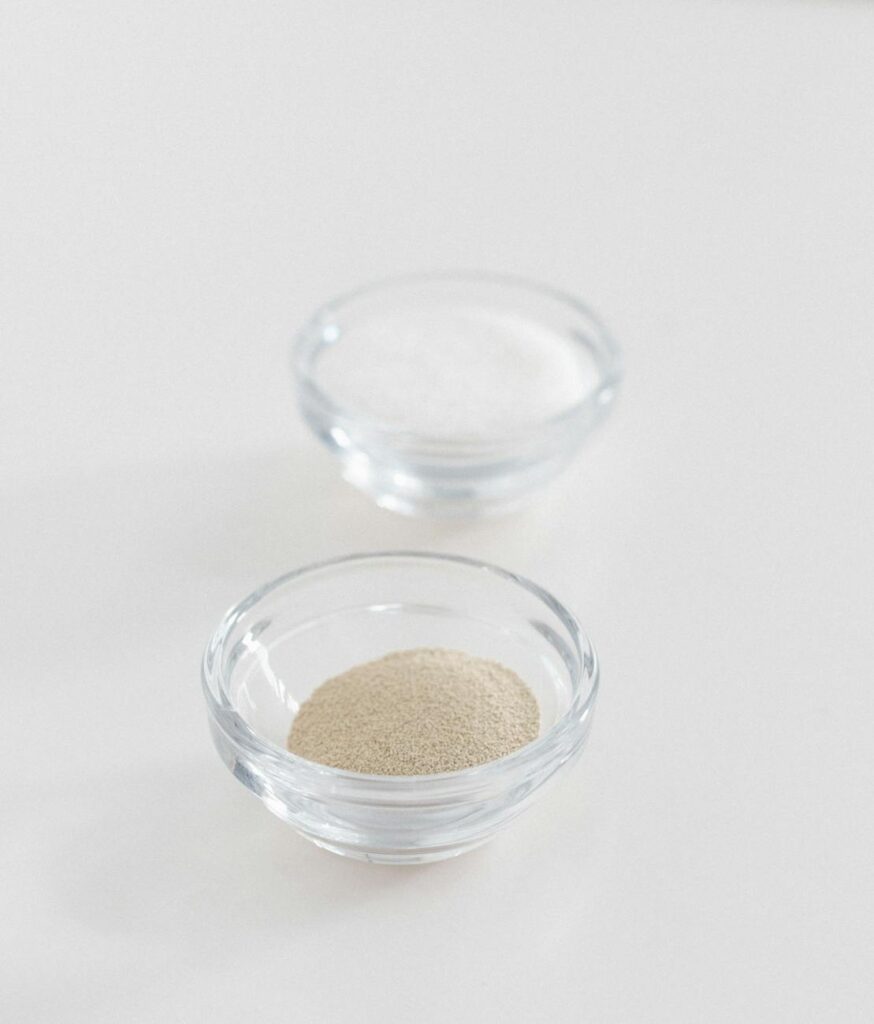
Nutritional Yeast: Origins and Evolution
Introduction
Nutritional yeast has garnered attention in recent years as a versatile ingredient, particularly among health-conscious consumers, vegetarians, and vegans. This unique deactivated yeast not only adds a savory umami flavor to various dishes but also serves as a rich source of vitamins, particularly B-complex vitamins. Understanding the essence of nutritional yeast involves exploring its origins, production methods, and the various ways it can be utilized. This article delves into the history, processing, and multifaceted applications of nutritional yeast, providing a comprehensive overview of this remarkable ingredient.
What Is Nutritional Yeast?
Nutritional yeast is a deactivated strain of Saccharomyces cerevisiae, a species of yeast commonly used in baking and brewing. Unlike active yeast, which ferments and causes dough to rise, nutritional yeast is heat-processed to deactivate it, thereby inhibiting fermentation. This process allows it to retain its nutritional profile while providing a cheesy, nutty flavor that enhances a wide array of culinary creations. Nutritional yeast is typically sold in flakes or powder form and is often fortified with additional vitamins, including B12, making it an appealing supplement for those following plant-based diets.
History and Origins
The origins of nutritional yeast can be traced back to the early 20th century. In 1909, the first commercial production of yeast in the United States began, primarily for use in baking and brewing. It was during this time that researchers and food scientists began to recognize the nutritional benefits of yeast, particularly its high protein content and rich vitamin profile.
The concept of using yeast as a food source gained momentum during World War I and II, when food shortages prompted innovative approaches to dietary sustenance. Nutritional yeast started to be marketed as a dietary supplement, particularly among vegetarians and health enthusiasts, who were seeking alternative sources of protein and nutrients.
By the 1970s, nutritional yeast had solidified its place in health food stores, becoming a staple in vegetarian and vegan cuisine. The rise of the health food movement and the increasing awareness of nutritional deficiencies in plant-based diets contributed to its popularity. Over the decades, nutritional yeast has evolved from a niche product to a widely recognized ingredient found in mainstream grocery stores.
Production and Processing
The production of nutritional yeast involves several key steps. Initially, a pure culture of Saccharomyces cerevisiae is cultivated in a nutrient-rich medium, which often includes molasses. This medium provides the yeast with the necessary sugars for growth. The fermentation process typically lasts several days, during which the yeast multiplies and absorbs the nutrients available in the medium.
Once the fermentation process is complete, the yeast is harvested and subjected to heat treatment. This step effectively deactivates the yeast, preventing it from fermenting and ensuring it can be safely consumed. After deactivation, the yeast is washed, pasteurized, and then dried to reduce moisture content. Finally, it is ground into flakes or powder, packaged, and distributed.
Quality control is paramount during production to ensure that the nutritional profile remains intact. Manufacturers often conduct tests to verify the levels of vitamins and minerals, ensuring that the final product meets labeling standards.
Quality and Grading
When it comes to nutritional yeast, quality can vary significantly based on production methods, sourcing of ingredients, and overall processing. The two primary forms of nutritional yeast are fortified and unfortified. Fortified nutritional yeast typically contains added vitamins, particularly B12, which can be beneficial for individuals on plant-based diets. Unfortified varieties, while still nutritious, have a more natural profile without additional vitamins.
Consumers should look for products that specify their nutritional content on the packaging, including protein levels, fiber content, and the presence of fortifications. Certifications, such as organic or non-GMO, can also indicate higher quality and more sustainable practices.
Packaging should provide information about the origin of the yeast and the processes it underwent during production. High-quality nutritional yeast will often have a slightly nutty and cheesy flavor, a result of proper processing and ingredient selection.
Buying Considerations
When purchasing nutritional yeast, several considerations can enhance the shopping experience. First, consider the form: flakes or powder. Flakes tend to add a more textured element to dishes, while powder integrates seamlessly into sauces and dressings.
Next, check the ingredient list. Some brands may include additives such as anti-caking agents or flavor enhancers, which may not align with consumers’ dietary preferences. Opting for pure nutritional yeast without additives ensures maximum nutritional integrity.
Additionally, consider the packaging size. Nutritional yeast is often sold in various quantities, from small jars to bulk bags. For those who use it regularly, buying in bulk may be more economical. However, it’s essential to ensure that the product remains sealed and protected from light and moisture to preserve freshness.
Finally, look for reviews or recommendations, as the taste and quality can vary by brand. Trying a few different types may help identify the one that best suits personal preferences.
Uses and Applications
Nutritional yeast is lauded for its versatility in the culinary world. It can be sprinkled over popcorn for a cheesy flavor, stirred into pasta sauces, or blended into smoothies. Its unique flavor profile makes it a popular ingredient in vegan cheeses and spreads, where it mimics the richness of dairy products.
In addition to its flavor-enhancing properties, nutritional yeast is often used in seasoning blends, salad dressings, and marinades. Its high protein and vitamin content make it an excellent addition to soups, stews, and grain bowls, providing both nutritional benefits and depth of flavor.
Another emerging use for nutritional yeast is in the realm of snacks. Many brands have begun to produce snacks—such as roasted chickpeas or kale chips—that are seasoned with nutritional yeast, capitalizing on its umami flavor.
Storage and Shelf Life
To maintain the freshness and quality of nutritional yeast, proper storage is essential