
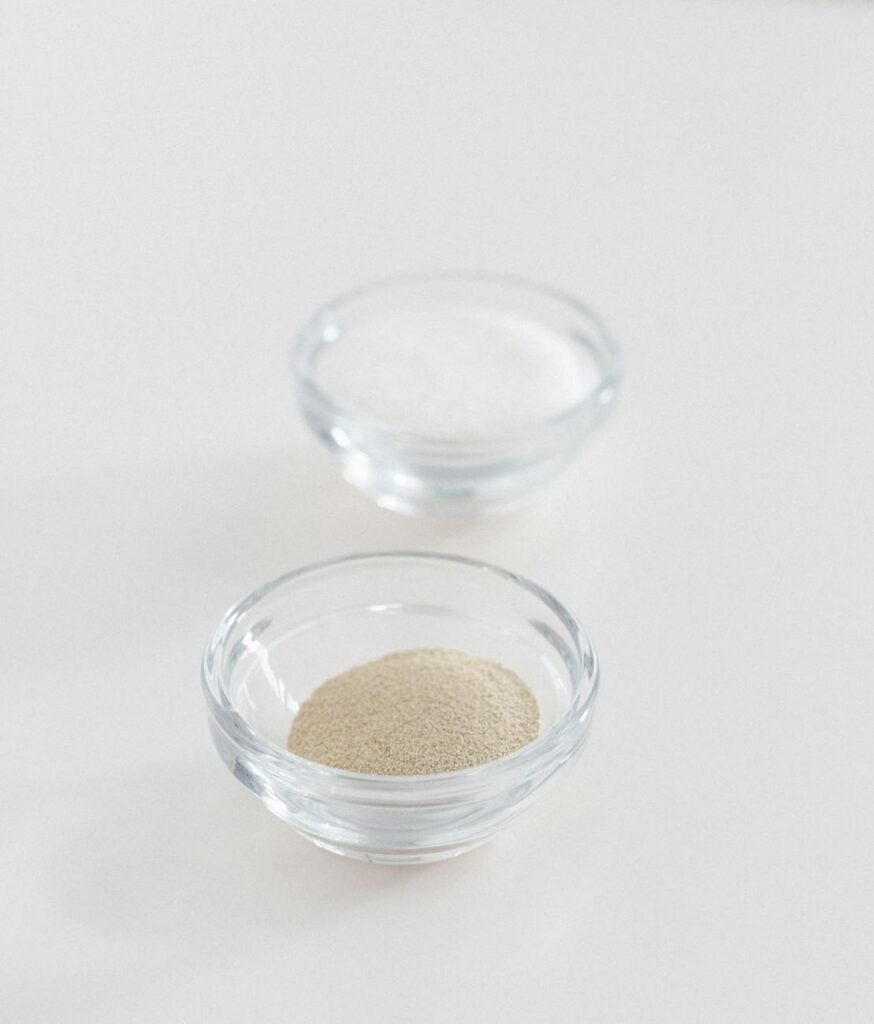
Nutritional Yeast Production by Country
Introduction
Nutritional yeast is a unique food product that has gained immense popularity in various culinary traditions, particularly among those seeking plant-based alternatives. Renowned for its cheesy flavor and rich nutrient profile, nutritional yeast is a deactivated form of yeast derived primarily from the species Saccharomyces cerevisiae. This article delves into the production of nutritional yeast across different countries, exploring the nuances of its regional variations, processing methods, and applications.
What Is Nutritional Yeast?
Nutritional yeast is a yellow, flaky substance that serves as a seasoning and supplement. Unlike active yeast used in baking, nutritional yeast is inactive, meaning it does not ferment or rise. Its flavor profile, often described as nutty or cheesy, makes it a staple in vegan and vegetarian diets. Nutritional yeast is rich in proteins, B vitamins, and essential amino acids, contributing to its acclaim as a health food.
History and Origins
The origins of nutritional yeast can be traced back to the early 20th century, primarily in the United States and Europe. Originally a byproduct of beer brewing, nutritional yeast began to be recognized for its nutritional value during the war years when food shortages prompted a focus on maximizing nutrient intake.
Initially marketed as a health supplement, it gained traction in the 1960s alongside the rise of vegetarianism and health food movements. As awareness of plant-based diets grew, so did the popularity of nutritional yeast, leading to its widespread adoption in various cuisines worldwide.
Production and Processing
United States
The United States dominates the global market for nutritional yeast, with significant production concentrated in California. The process begins with the cultivation of Saccharomyces cerevisiae on molasses or other carbohydrate sources. After fermentation, the yeast is deactivated through heat treatment, dried, and then flaked or powdered.
Canada
Canada also plays a vital role in nutritional yeast production, benefiting from its proximity to large agricultural sectors. The production process closely mirrors that of the U.S., although Canadian brands often emphasize organic and non-GMO certifications, appealing to health-conscious consumers.
Europe
In Europe, the production of nutritional yeast varies by country. The United Kingdom and Germany are notable producers, with an increasing focus on sustainable and organic practices. European nutritional yeast often undergoes rigorous quality checks, and many manufacturers adhere to strict EU regulations regarding food safety and labeling.
Asia
Countries like Japan and South Korea have started to embrace nutritional yeast, primarily driven by the growing interest in plant-based diets. In Japan, nutritional yeast is often marketed for its umami flavor, while in South Korea, it is increasingly used in fusion dishes. Production methods in these countries may incorporate local ingredients, adding unique flavors and nutritional profiles.
Australia
Australia’s nutritional yeast production is relatively small but growing rapidly, fueled by the increasing demand for vegan products. Australian producers prioritize sustainability and local sourcing, with many brands offering organic options.
Quality and Grading
The quality of nutritional yeast is determined by several factors, including the source of the yeast, the fermentation process, and the drying method. High-quality nutritional yeast typically contains a higher concentration of B vitamins and amino acids.
In terms of grading, nutritional yeast is usually categorized into two types: fortified and unfortified. Fortified nutritional yeast has added vitamins, primarily B12, making it particularly appealing to vegans. Unfortified versions are preferred by some consumers who seek a more natural product.
Certifications
Quality certifications can vary by region. In the U.S. and Canada, consumers often look for labels indicating that the product is non-GMO, gluten-free, and organic. European producers emphasize compliance with EU food safety standards, while Australian brands frequently highlight local sourcing and sustainability efforts.
Buying Considerations
When purchasing nutritional yeast, several factors should be taken into account:
1. Type: Decide between fortified and unfortified varieties based on dietary needs.
2. Form: Nutritional yeast is available in flakes, granules, and powders. Each form has its unique uses and flavor delivery.
3. Certification: Look for non-GMO, gluten-free, and organic certifications to ensure product quality.
4. Brand Reputation: Research reputable brands known for their quality and ethical production practices.
5. Packaging: Choose products that offer resealable packaging to maintain freshness.
Uses and Applications
Nutritional yeast is incredibly versatile and can be incorporated into various dishes:
- Seasoning: It can be sprinkled on popcorn, pasta, and salads to enhance flavor.
- Sauces and Dips: Nutritional yeast is often used in vegan cheese sauces or as a thickening agent in soups and dips.
- Baking: While it does not act as a leavening agent, it can be added to bread and baked goods for a cheesy flavor.
- Smoothies: Some individuals add nutritional yeast to smoothies for an extra nutritional boost.
In addition to culinary uses, nutritional yeast is increasingly being added to snacks and ready-to-eat meals, appealing to a broader audience.
Storage and Shelf Life
Nutritional yeast should be stored in a cool, dry place, away from direct sunlight. Once opened, it is best to keep it in an airtight container to preserve its flavor and nutritional content. The shelf life of nutritional yeast is typically around two years when stored properly, although checking the packaging for specific expiration dates is advisable.
Common Misconceptions
“Nutritional Yeast Is the Same as Brewer’s Yeast”
While both types of yeast are derived from Saccharomyces cerevisiae, nutritional yeast is deactivated and has a different flavor profile compared to brewer’s yeast, which is primarily used in beer production.
“Nutritional Yeast Contains Active Yeast”
Nutritional yeast is deactivated, meaning it will not cause fermentation or rise in baked goods. This distinction is critical for those misunderstanding its culinary applications.
“All Nutritional Yeast Is Fortified”
Not all nutritional yeast products are fortified with additional vitamins. Consumers should carefully read labels to determine the type of nutritional yeast they are purchasing.
Frequently Asked Questions
1. Is nutritional yeast gluten-free?
Yes, most nutritional yeast products are gluten-free, but it is essential to check product labels for specific certifications.
2. Can nutritional yeast be used in cooking?
Absolutely! Nutritional yeast can be used as a seasoning, in sauces, dips, and various dishes to enhance flavor.
3. Does nutritional yeast have a strong flavor?
Nutritional yeast has a mild, cheesy flavor that appeals to many palates, making it a popular seasoning choice.
4. How can I incorporate nutritional yeast into my diet?
You can sprinkle it on salads, pasta, or popcorn, use it in sauces, or even blend it into smoothies for added nutrition.
5. Is nutritional yeast safe for everyone to consume?
Nutritional yeast is generally safe; however, individuals with specific dietary restrictions should consult product labels and, if necessary, a healthcare professional.
6. How should I store nutritional yeast?
Store nutritional yeast in a cool, dry place, preferably in an airtight container to maintain its freshness and flavor.
Conclusion
Nutritional yeast has transcended its origins as a byproduct of brewing to become a beloved ingredient in kitchens around the globe. As the demand for plant-based alternatives continues to rise, understanding the regional production methods and applications of nutritional yeast becomes increasingly important. With its rich nutrient profile and versatile applications, nutritional yeast is set to maintain its prominent place in both everyday cooking and specialized diets.