
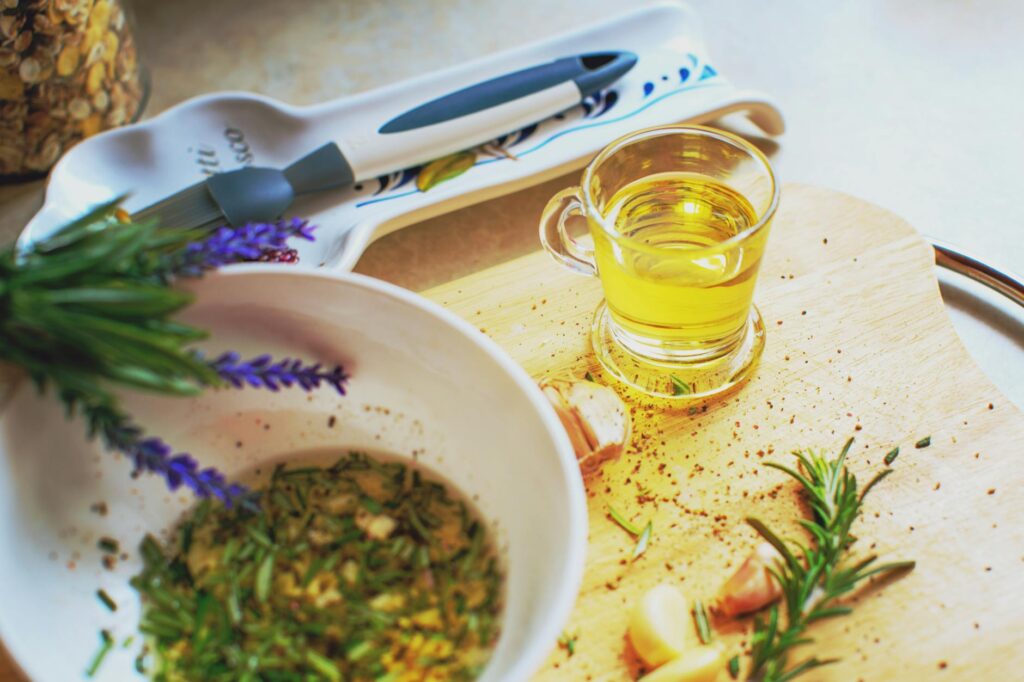
Olive Oil Growing Guide Part 6
Introduction
Olive oil, a cornerstone of Mediterranean cuisine, is much more than a mere cooking ingredient; it is a complex product with deep historical roots and significant cultural relevance. In this comprehensive guide, we delve into the nuances of growing olives for oil production, examining everything from historical origins and production processes to quality grading and storage considerations. Understanding these elements is crucial for anyone interested in appreciating or producing high-quality olive oil.
What Is Growing?
In the context of olive oil, “growing” refers to the cultivation of olive trees (Olea europaea), which are the source of the oil. This process encompasses various stages, including selecting appropriate varieties, planting, nurturing the trees, and harvesting olives at the right time for optimal oil extraction. The cultivation of olive trees requires careful consideration of climate, soil type, and agricultural practices, all of which significantly influence the quality and flavor of the oil produced.
History and Origins
The olive tree has been cultivated for thousands of years, with its origins tracing back to the eastern Mediterranean region, particularly present-day Turkey and Syria. Archaeological evidence suggests that olive oil production dates back to around 6,000 BC. The Phoenicians, Greeks, and Romans played pivotal roles in spreading olive cultivation throughout Europe and North Africa. The Greeks revered olive oil not only as a culinary staple but also as a symbol of peace and prosperity.
Over the centuries, various regions have developed distinct practices and traditions around olive oil production. Spain, Italy, and Greece remain the leading producers today, each contributing unique flavors and styles to the global market.
Production and Processing
The production of olive oil involves several meticulous steps, each critical to ensuring the final product’s quality.
1. Cultivation
Olive trees thrive in warm, dry climates with well-drained soil. They are typically grown in regions with mild winters and hot summers. Proper irrigation and pest management are vital for healthy olive growth. Farmers often employ organic practices to enhance the quality of the olives without the use of synthetic chemicals.
2. Harvesting
Harvesting can be done manually or mechanically, depending on the scale of production. Manual harvesting is often preferred for high-quality oils, as it minimizes damage to the olives and allows for selective picking. The timing of the harvest is crucial; olives are typically harvested between late summer and early winter when they reach the desired ripeness.
3. Milling
Once harvested, olives must be processed quickly to prevent fermentation and spoilage. The milling process involves washing, crushing, and grinding the olives into a paste. This paste is then subjected to a pressing or centrifugation process to separate the oil from the solids.
4. Extraction
Modern extraction methods, such as cold-pressing, preserve the oil’s flavor and nutritional qualities. Cold-pressed olive oil is obtained without the application of heat, ensuring that the delicate flavors and beneficial compounds remain intact.
5. Filtration and Bottling
After extraction, the oil may undergo filtration to remove any remaining solids. It is then bottled, often in dark glass containers to protect it from light degradation. The bottling process must be performed under hygienic conditions to prevent contamination.
Quality and Grading
Olive oil quality is determined by various factors, including acidity, flavor, and aroma. The International Olive Council (IOC) has established grading standards to categorize olive oils:
1. Extra Virgin Olive Oil (EVOO)
This is the highest quality olive oil, characterized by low acidity (below 0.8%) and exceptional flavor. It is made from the first pressing of olives and must pass rigorous sensory evaluations.
2. Virgin Olive Oil
Virgin olive oil has a slightly higher acidity level (up to 2%) and is still produced through mechanical means without chemical processing. It possesses good flavor but may not meet the stricter criteria of extra virgin.
3. Refined Olive Oil
Refined olive oil is created by treating virgin oil to remove defects, resulting in a more neutral taste. However, this process often involves the use of chemicals and high heat, which can diminish the oil’s health benefits.
4. Olive Pomace Oil
This oil is extracted from the pomace (solid remains) left after the initial pressing. It is usually blended with virgin olive oil to enhance flavor and is considered a lower-quality product.
Buying Considerations
When purchasing olive oil, it is essential to consider the following factors:
1. Quality and Authenticity
Look for oils certified as extra virgin, as they guarantee higher quality. Check for certifications from reputable organizations, such as the IOC or local agricultural boards.
2. Packaging
Opt for dark glass bottles or tins, as these protect the oil from light, which can cause rancidity. Avoid clear plastic containers.
3. Harvest Date
Freshness is key. Check for a harvest date on the label, and choose oils that have been bottled within the last year.
4. Geographic Origin
Different regions produce distinct flavor profiles. Familiarize yourself with various sources, such as Italian, Spanish, or Greek oils, to find your personal preference.
Uses and Applications
Olive oil is versatile and can be used in various culinary applications:
1. Cooking
It is ideal for sautéing, roasting, and grilling due to its relatively high smoke point, particularly in refined varieties. Extra virgin olive oil is often drizzled over dishes before serving for enhanced flavor.
2. Dressings and Marinades
Olive oil serves as an excellent base for salad dressings and marinades, providing a rich, fruity flavor that complements various ingredients.
3. Baking
While less common, olive oil can be used in baking to add moisture and flavor to bread and pastries.
4. Skincare
Beyond the kitchen, olive